
Exploring the History of the Olympic Games
From Ancient Greece to the Modern Era

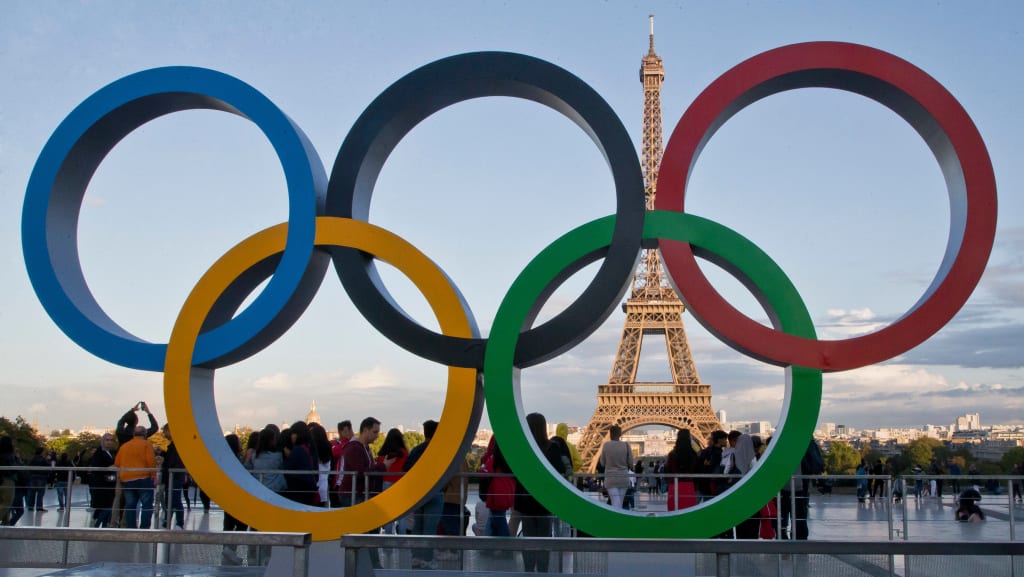
The Olympic Games, a prestigious international sporting event, has a rich and captivating history that spans over millennia, from its ancient origins in Greece to its modern-day grandeur. In this article, we embark on an extensive journey through time, delving into the origins, evolution, and profound significance of the Olympic Games. From its humble beginnings as a religious festival in ancient Olympia to its contemporary manifestation as a global celebration of sport and unity, the Olympic Games have transcended the passage of time and continue to inspire generations across the globe.
The ancient Olympic Games, which first took place in Olympia, Greece, in 776 BC, were much more than a mere sporting competition. Rooted in religious beliefs and traditions, they were a cornerstone of Greek culture and held every four years to honor the mighty Zeus, king of the gods. These games brought together athletes from different city-states to compete in various disciplines, including running, boxing, wrestling, chariot racing, and the pentathlon. Participation in the ancient Olympics was considered a great honor, and the victors were revered as heroes in their communities.
After centuries of dormancy, the ancient Olympic Games were resurrected in the modern era, thanks to the vision and determination of a French educator named Pierre de Coubertin. Inspired by the spirit of ancient Greece, Coubertin sought to promote peace and international understanding through the avenue of sport. The inaugural modern Olympic Games were held in Athens, Greece, in 1896 with the participation of athletes from 14 nations, showcasing a limited number of sports such as athletics, cycling, fencing, gymnastics, swimming, and tennis.
The modern Olympic Games quickly gained momentum and expanded in scope throughout the 20th century. The introduction of new sports and the inclusion of women's events marked significant milestones in promoting inclusivity and gender equality. Over the years, additional sports were added to the Olympic program, including basketball, volleyball, and ice hockey, to name just a few. With each subsequent edition of the games, advancements in technology and infrastructure further enhanced the Olympic experience, while television coverage enabled millions of people worldwide to witness the festivities.
Throughout its history, the Olympic Games have often become intertwined with political events and conflicts. The most famous example is the 1936 Berlin Olympics, which served as a platform for Nazi Germany to propagate its ideology of Aryan supremacy. In contrast, the 1968 Mexico City Olympics witnessed a powerful display of resistance and activism when African-American athletes Tommie Smith and John Carlos raised their fists in a symbol of Black Power and protest against racial segregation back home in the United States. These instances highlight the complex and multifaceted nature of the Olympics as a reflection of the sociopolitical climate of the time.
In the modern era, the Olympic Games have evolved into an incomparable spectacle, uniting athletes from more than 200 countries across the globe. The event showcases a diverse range of sports, combining traditional disciplines with newer additions such as snowboarding and BMX cycling. The Olympics have become a powerful platform for promoting cultural exchange, fostering international peace, and celebrating sporting excellence. They represent a unique opportunity for athletes to showcase their talents on a global stage, inspiring millions and leaving a lasting legacy in the host cities.
As we explore the captivating history of the Olympic Games, we come to appreciate the profound impact it has had on humanity. From its origins in ancient Greece to the modern-day extravaganza that captivates billions, the Olympics symbolize the unity, determination, and pursuit of excellence that transcends borders and cultures. They provide a timeless testament to the power of sport in bringing people together. As we cheer for our favorite athletes and marvel at their extraordinary achievements, let us remember the deep-rooted historical context that makes the Olympic Games truly extraordinary.
About the Creator
Keep reading
More stories from writers in Humans and other communities.
8 Quiet Patterns Showing How You Handle Responsibility.
Responsibility shows through patterns, not speeches. Organizational research focuses on quiet behaviors because they predict performance and trust over time. You reveal how you handle responsibility through repetition. Others notice even when nothing goes wrong. These patterns shape reputation, advancement, and reliability.
By Wilson Igbasi7 days ago in Humans


Comments
There are no comments for this story
Be the first to respond and start the conversation.