
Exploring Heaven and Hell Across Cultures
How Civilizations Imagine the Afterlife

Every culture has wrestled with the same mystery: what happens when we die? Across time and continents, humans have created vivid concepts of paradise and punishment—heaven and hell—to explain the unknown. Though names, imagery, and doctrines differ, the core ideas remain strikingly similar: a reward for the good, and a reckoning for the wicked.
This article explores how different civilizations have envisioned the afterlife—sometimes eerily alike, sometimes wildly different—but always deeply reflective of human hope, fear, and morality.
The Egyptian Duat: Judgment and the Field of Reeds
In ancient Egypt, the afterlife wasn’t an automatic destination—it had to be earned. The dead entered the Duat, a shadowy underworld full of gates, demons, and trials. At its heart was the Weighing of the Heart ceremony. The heart of the deceased was weighed against the feather of Ma’at, the goddess of truth.
If the heart was lighter, the soul moved on to the Field of Reeds—a serene mirror of earthly life, but perfect in every way. If heavier, the soul was devoured by Ammit, the “devourer of the dead,” and ceased to exist. There was no eternal torture—only annihilation.

The Christian Heaven and Hell: Eternal Reward and Punishment
Christianity presents one of the most detailed visions of both heaven and hell, especially in Western thought. Influenced by Jewish, Greco-Roman, and even Persian ideas, Christian doctrine developed a dual afterlife:
Heaven is often depicted as a place of eternal peace, light, and union with God.
Hell is a realm of fire, torment, and separation from God—sometimes ruled by Satan, depending on denomination.
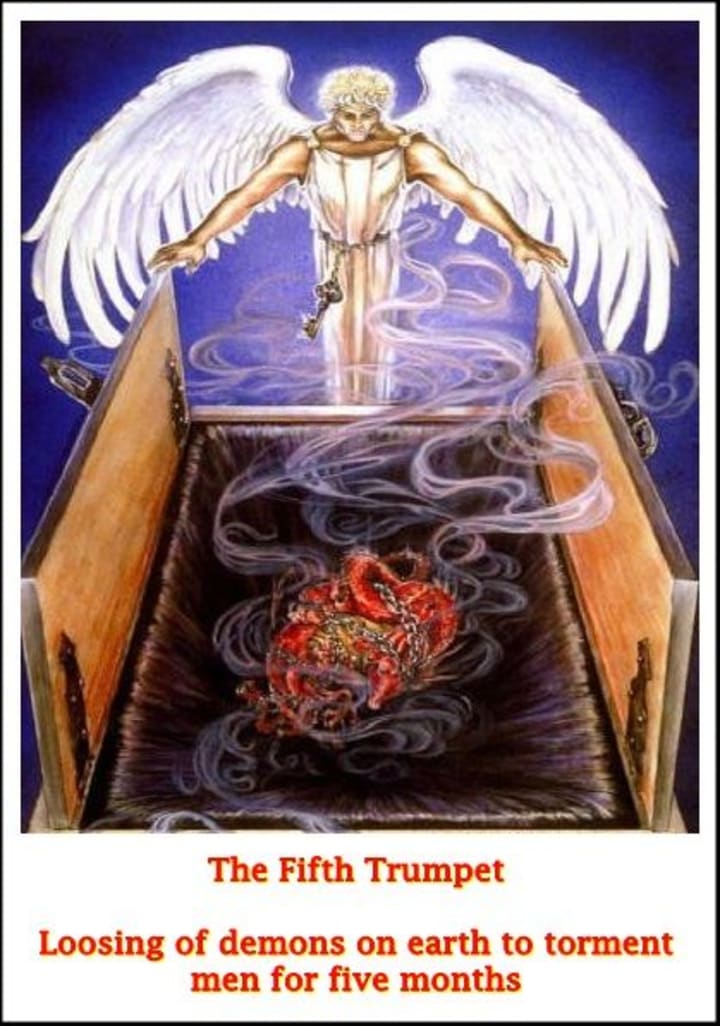
The concept of hell evolved over time. In the Bible, hell is referenced as Gehenna, a valley outside Jerusalem once used for burning refuse—symbolizing destruction, not torture. Later, writers like Dante Alighieri (Inferno, 14th century) added layers of poetic horror that shaped modern imagery: nine circles, demons, and eternal torment.
Hindu and Buddhist Realms: Rebirth and Karma
In Hinduism and Buddhism, the afterlife isn’t necessarily final. Both religions believe in samsara—the cycle of birth, death, and rebirth, governed by karma (actions and their consequences).
Hindu texts describe multiple heavens (Svarga) and hells (Naraka), each temporary. After experiencing pleasure or suffering based on karma, the soul is reborn. The ultimate goal? Escape the cycle entirely and reach moksha—liberation and union with the divine.
Buddhism offers a similar structure. There are six realms of existence, including heavenly and hellish planes. But even the worst hells, like Avīci (a realm of relentless suffering), are not eternal. Enlightenment offers freedom from all suffering.

Islamic Jannah and Jahannam: Divine Justice and Mercy
Islam teaches a vivid and structured vision of the afterlife. Souls are judged by Allah based on their faith and deeds.
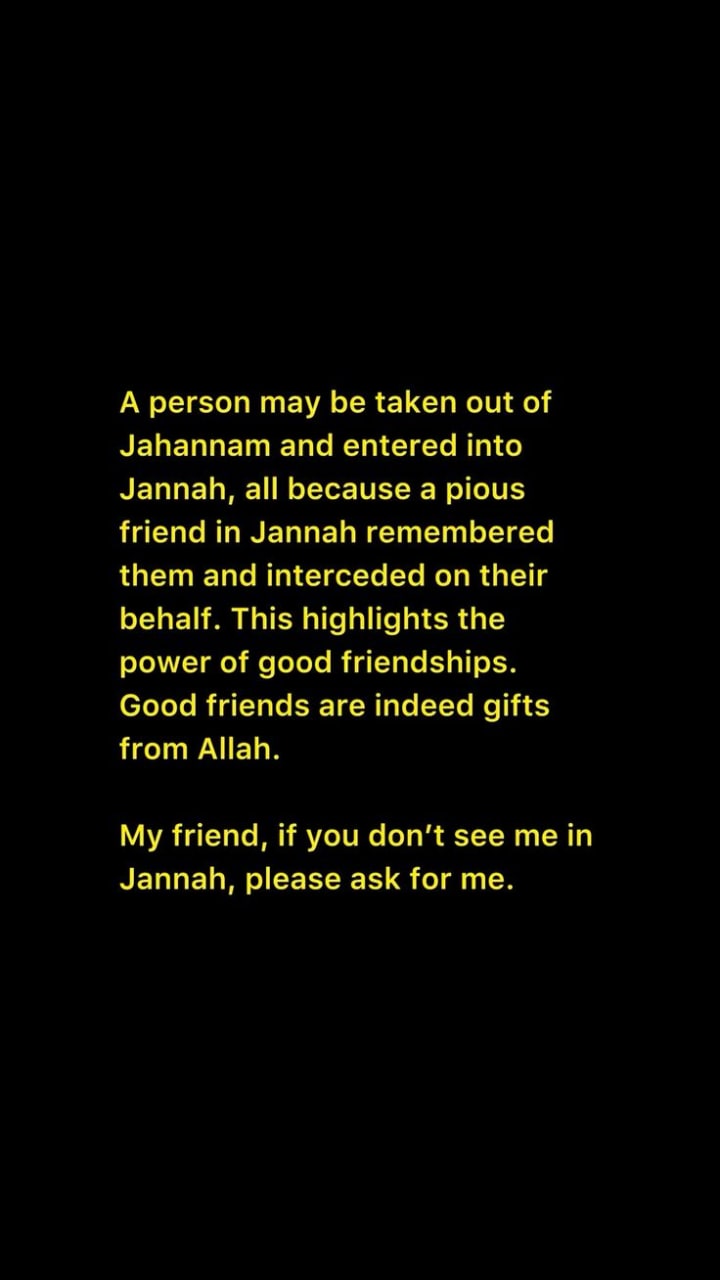
Jannah (heaven) is a lush, peaceful paradise with rivers of honey and milk, gardens, and companionship—promised to the righteous.
Jahannam (hell) is a place of punishment, with seven levels, each for different kinds of sinners. It includes fire, boiling water, and physical suffering.
But key to Islamic belief is God’s mercy—many scholars emphasize that punishment may not be eternal for all, and forgiveness can outweigh sin.
Other Cultural Visions: Norse, Chinese, and Mesoamerican
Norse mythology describes Valhalla, a warrior’s heaven for those who die bravely in battle, ruled by Odin. The rest go to Hel, a cold, dreary underworld—not necessarily a punishment, but a less glorious fate.
In Chinese tradition, souls pass through Diyu, a multi-leveled purgatory with judges, trials, and punishments before eventual reincarnation or ascent.
The Aztecs believed in different afterlives depending on your death: warriors went to the sun god, drowned souls went to Tlalocan (a paradise), and others faced a long journey to Mictlan, the underworld.
Though details vary, the universal themes of justice, transformation, and consequence remain. Whether through eternal paradise, cycles of rebirth, or moral tests, cultures shape the afterlife to reflect what they value—and what they fear.
In understanding heaven and hell across civilizations, we don’t just learn about death—we learn what it means to live.
About the Creator
Keep reading
More stories from Kristen Orkoshneli and writers in Humans and other communities.
Your behaviors that are keeping you from your Dream Life
It's easy to identify the monoculture of Germany in the 1930s or America in 1776. It's clear what people at those times, in those places, accepted to be "good" and "true" even when in reality, that was certainly not always the case.
By Kristen Orkoshneli7 months ago in Humans
When the Shelter Closes
Across the street from my house, a man slept under a tree, his dog by his side. My first, naive thought: he must be traveling through. But he kept coming back, often sleeping there during the day. Then it hit me—that person might not have a home.
By Bride of Sound4 days ago in Humans
Trending Dating Questions About Trust, Honesty, And Long-Term Compatibility
The foundation of any thriving romantic relationship is trust and currently, most singles find it hard to find trust at an early age. Trust means putting your trust in the partner, in the reliability, honesty and intentions of the partner and being emotionally safe. Trust may be hard to build in this era of dating when everyone is interested in casual relationships and interacting with each other online. People tend to ask themselves whether the words people say correlate with the actions or suspect of some clandestine intentions. The only way to build trust is with clear communication, consistency of behavior, and transparency. Through the way a potential partner manages commitments and disclosures, the singles will be able to determine whether they will build trust as time goes by.
By Robert Smith3 days ago in Humans




Comments
There are no comments for this story
Be the first to respond and start the conversation.