
Explain The Main Difference Between Hajj And Umrah
Difference Between Hajj And Umrah
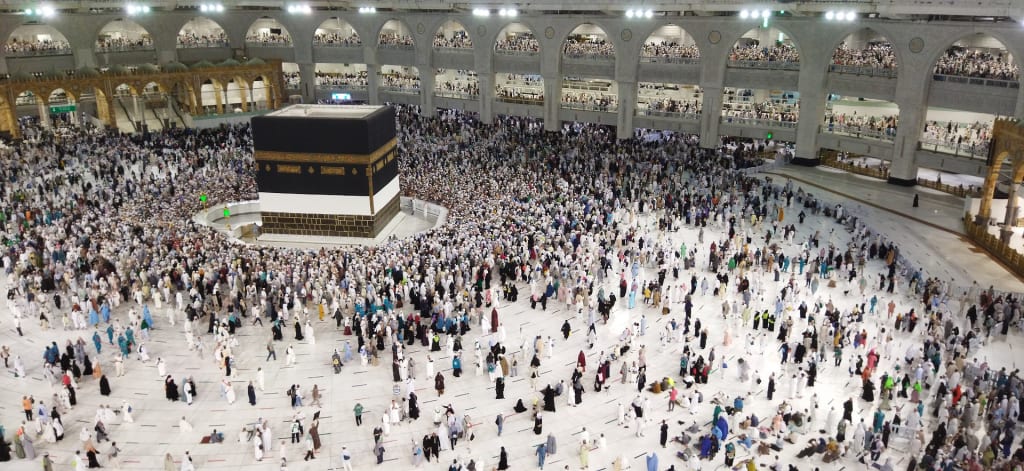
Every Muslim has a heart’s desire to perform Umrah or Hajj at least once in life. Some can afford and pay high to perform this pilgrimage, while some can not afford this. Bless some travel agencies that find solutions to provide the 5 star Umrah packages for the public.
If you know the main pillars of Islam, you must know that Hajj is the 5th pillar of Islam. First, you should understand the difference between Hajj and Umrah to keep them distinct. Both are the Islamic religious pilgrimage to Makkah (also written as Mecca), Saudi Arabia. Hajj has specific dates to perform, while Umrah can be performed anytime in a year other than Hajj days. Hajj can be attended by more than one to three million people. Hajj starts on the 8th day of Dhul Hijjah (the twelfth and the last month of the Islamic calendar), which ends on the 13th day of Dhul Hajj. Umrah can be performed anytime and will take a few hours.
Difference Between Hajj and Umrah
Hajj and Umrah are almost alike; instead, a few of the components make them different from each other. Let’s have a look at them:
Dates of Hajj and Umrah:
Umrah does not have any specific dates. You can perform Umrah anytime and any day of the year. The only time you can not do Umrah is when the Hajj is in progress.
Hajj has a specific time in the year. It starts on the 8th of Dhul Hijjah (the 12th and final month of the Islamic calendar) and ends on the 12th of Dhul Hijjah.
Umrah takes only a few hours to perform, while Hajj has different components to fulfil at different times.
Different components of Hajj and Umrah:
Umrah:
Umrah is simpler as compared to Hajj. Everyone who performs Hajj or Umrah must wear Ehram, the white cloth of two-piece. For women, their normal dress is the Ahram. It starts with the Tawaf (7 times walk around the Holy Kabah). After that, you have to offer Two Rakat Nafal opposite to Mukam-e-Ibrahim (the sport where the stone is placed on which Prophet Ibrahim stood). After that, they have to do Saee between the rocks called Safah and Marwah. Saee is to walk and run from Safah to Marwah and Marwah to Safah. One side is counted as one, and they have to complete 7 rounds. Once this is done, they have to go to perform 2 Rakat again. After this, men have to shave their heads, and women can just cut a few hairs. Once this is done, they can take off the Ehram and wear the normal dress.
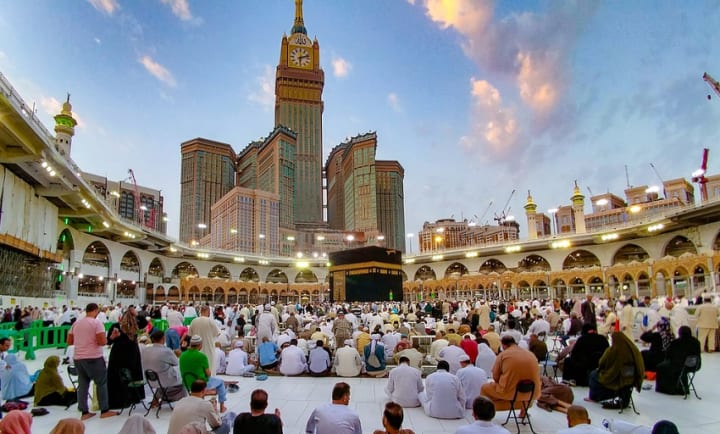
From the intention of Umrah to the last part of Umrah, there are several prayers that the doer needs to keep reciting.
Hajj:
Hajj, as we said, has a specific date in the Islamic calendar i-e the 8th of Dhul Hijjah. Every Muslim who is financially capable of doing so must do Hajj once in his life. Otherwise, it is not compulsory.
Hajj starts the same as Umrah and is the same up to shaving the head. Here the umrah part ends. You can now rest and pray. After that, you again enter the state of Ahram and start your journey towards the Minah. You will settle yourself in a tent city neighbour of Minah and perform Zohar, Asar, Maghrib, Isha and Fajr prayers there.
Then day two of Hajj starts. You will go towards Arafat. That is the plain surface with a small mountain called Mount Rehmat, or Mount Magfirah. You have to recite and ask forgiveness throughout this journey. Once you reach there, you will pray the short prayer of Zohar and Asar combined.
After that, you will go to Muzdalifah plains and reach there after sunset. You will combine the maghrib and isha prayers and shorten the isha prayer. You will spend the night in the open sky and collect the small stones you need the next day. The stone’s size will be approx equal to the date stone/seeds. You need 49 pebbles, but it is good if you collect 70. While you head towards the phases where the big stone pillars are, throw these pebbles on them. On the third day, it is called Eid Ul Azha. The day of sacrifice. You will head back to Minah while reciting. The Hajjies will include the sacrifice of animals, and the rest of the world will celebrate Eid and perform sacrifices.
On the 10th, 11th and 12th day of Hijjah, Hajjies will throw pebbles on the stone pillars, which is known as the stoning to the Devil
● 7 pebbles - 10th of Dhul Hijjah
● 21 pebbles - 11th of Dhul Hijjah
● 21 pebbles - 12th of Dhul Hijjah
On the 11th of Dhul Hijjah, you will again shave your heads. Now you can wear your comfortable clothes and exit the state of Ahram. You will stay there for the 3rd day of stoning. Once this all is done, you will do Tawaf Widah - farewell tawaf.
About the Creator
Keep reading
More stories from writers in Humans and other communities.
The Coming Climate Migration. Which U.S. Cities Prepare and Which Stay in Denial.
Climate migration no longer sits in the future. It unfolds now. Floods displace families. Heat strains cities. Drought limits water supply. Insurance retreats. People move when daily life breaks down. The United States faces internal migration driven by climate pressure rather than borders.
By Wilson Igbasi6 days ago in Humans


Comments
There are no comments for this story
Be the first to respond and start the conversation.