

Expectations are a natural part of life. We expect certain outcomes from our relationships, jobs, and even ourselves. It’s easy to think that if we work hard, be kind, or follow the rules, we will get what we desire. However, expectations can often lead to disappointment, frustration, and even destruction. This happens because life doesn’t always play out the way we think it should. When our hopes aren't met, we feel let down, and this emotional pain can start to harm our mental well-being.
Why Do We Create Expectations?
From a young age, we are taught to expect things. Society teaches us to expect success if we work hard, love if we are kind, and happiness if we do everything “right.” Our families and schools often reinforce these ideas. It's natural to hope for a positive outcome in everything we do, whether it's getting a promotion at work, passing an exam, or having a partner that fulfills our emotional needs.
But the truth is, not everything is under our control. People, circumstances, and outcomes are unpredictable, and when we hinge our happiness on those expectations, we set ourselves up for disappointment.
The Harm Expectations
- Disappointment:
One of the biggest problems with expectations is that they often leave us feeling disappointed.
For example, we might expect our friends to always be there for us in the way we want, but people have their own lives, needs, and limits. When they don’t live up to our expectations, we feel hurt, even though they may not have done anything wrong.
2. Frustration and Resentment:
When we place high expectations on ourselves or others, and they aren’t met, frustration often follows. This frustration can turn into resentment, especially in close relationships. If we expect our partner to act a certain way or fulfill all of our emotional needs, we may begin to resent them when they fall short, damaging the relationship in the long run.
3. Loss of Motivation:
Expectations can sometimes crush our motivation. For example, if we expect to excel at something right away but struggle, we may give up because we think we’re failing. We might tell ourselves, “This should be easier,” and lose the drive to keep going. The pressure to meet these expectations makes it harder to enjoy the process and grow from challenges.
4. Self-Criticism:
Expectations we place on ourselves can be the most damaging. Many of us expect to be perfect or to succeed without setbacks. When this doesn’t happen, we can be our harshest critics. This self-criticism erodes our confidence and mental health, leading to feelings of inadequacy.
5. Strained Relationships:
When we expect too much from others, we often put strain on our relationships. We expect people to react, support, or love us in specific ways, and when they don’t, we feel betrayed or unloved. This constant cycle of unmet expectations can create distance, misunderstandings, and tension in even the most important relationships.
How Expectations Can Destroy
While it’s natural to hope for good things, when we cling too tightly to specific outcomes, we start to lose our grip on reality. This is how expectations lead to destruction.
Personal Destruction:
When we tie our self-worth to the achievement of our expectations, we set ourselves up for personal failure. Life is unpredictable, and despite our best efforts, things don’t always go according to plan. When we fail to meet the expectations we set for ourselves, it’s easy to fall into self-doubt, depression, and even hopelessness. In severe cases, constant disappointment can lead to a sense of personal destruction, where we no longer feel capable of achieving anything worthwhile.
Relationship Break:
Expectations can be incredibly harmful in relationships. When we expect our partner, friend, or family member to behave a certain way and they don’t, we often feel let down. Instead of appreciating them for who they are, we start focusing on how they didn’t meet our ideal version of them. Over time, these unmet expectations create resentment, leading to communication breakdowns, arguments, and, ultimately, relationship destruction.
Managing Expectations for a Healthier Life
So, how can we live in a world full of expectations without letting them destroy us?
Accept Uncertainty:
Life is full of surprises. When we embrace the fact that we can’t control everything, we become more flexible. Instead of expecting things to happen a certain way, we can allow ourselves to be open to different outcomes. This reduces disappointment and helps us go with the flow.
Focus on Effort, Not Outcome:
While we can’t control results, we can control our efforts. By focusing on doing our best rather than expecting a specific result, we lower the pressure on ourselves and feel more satisfied with the process. This shift in focus allows us to learn from challenges and grow, even if we don’t achieve exactly what we hoped for.
Communicate in Relationships:
Instead of silently expecting people to know what we want or need, we should communicate openly. When we express our desires without demanding them, we give others the chance to meet us halfway. Healthy relationships are built on understanding and communication, not unspoken expectations.
Be Kind to Yourself:
We are often our harshest critics. Learning to give ourselves grace when we fall short of expectations is key to protecting our mental health. No one is perfect, and failure is part of the human experience. By being kind to ourselves, we can build resilience and move forward with less self-criticism.
My Opinion:
Expectations can be both a guiding light and a heavy burden. While it’s natural to hope for good things in life, it’s important to remember that we can’t control everything. By managing our expectations, focusing on effort over outcome, and being kinder to ourselves and others, we can avoid the trap of destruction that often comes with unmet hopes. Letting go of rigid expectations opens the door to greater peace, resilience, and stronger relationships.
Join Me Apperciate me and Subscribe me.
https://shopping-feedback.today/authors/mamoona-bushra%3C/p%3E%3C/div%3E%3C/div%3E%3C/div%3E%3Cstyle data-emotion-css="1x3zcuc-StoryContent">.css-1x3zcuc-StoryContent{pointer-events:none;}
About the Creator
Mamoona Bushra
I'm blogger blogger my speciality I can adapt my writing style to suit a variety of topics, ranging from nature and science to health and tourism.
Keep reading
More stories from Mamoona Bushra and writers in Humans and other communities.
Impression is a Powerful Effect to Achieve Goals
Have you ever met someone and instantly formed an opinion about them? Maybe it was their appearance, the way they spoke, or how they carried themselves. This initial judgment is what we call a first impression, and it can have a strong effect on how we interact with others. But the big question is: can impressions really help us achieve our goals?
By Mamoona Bushraabout a year ago in Humans
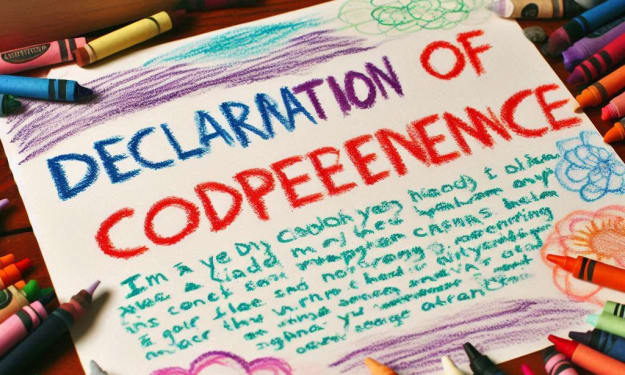
A Historic Declaration
We the People of the Husbands of the United States of America, in Order to form a more perfect Union, and I mean you...with me...establish Justice, insure domestic Tranquility, provide for the common defence, promote the general Welfare, and secure the Blessings of Liberty to ourselves, after Puberty, do ordain and establish this Declaration of Co-Dependence.
By Gerard DiLeo7 days ago in Humans



Comments
There are no comments for this story
Be the first to respond and start the conversation.