
Essential Vitamins & Minerals: The Essentials for Achieving Optimal Health and Nutrition
A Comprehensive Guide to Vitamins and Minerals: Their Functions, Advantages, and Top Sources

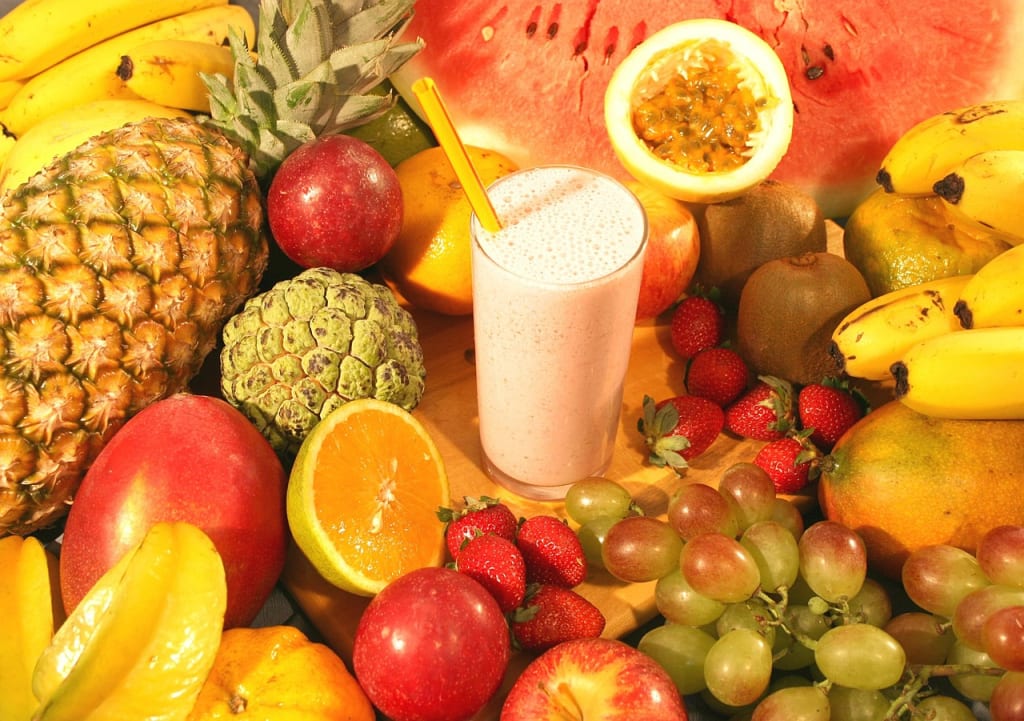
Vitamins and minerals are vital micronutrients that our bodies need to carry out a wide range of functions, from generating energy to maintaining a strong immune system. Unlike macronutrients like carbohydrates, proteins, and fats, which we need in larger quantities, vitamins and minerals are required in smaller amounts. Nevertheless, their influence on health is significant, and a lack of these nutrients can result in various health problems.
Understanding Vitamins
Vitamins are organic substances essential for normal growth and nutrition. They are typically classified by their solubility: fat-soluble and water-soluble.
Fat-Soluble Vitamins: This group includes vitamins A, D, E, and K. These vitamins dissolve in fats and are stored in the body's fatty tissues and liver. Since they can be stored, they don't have to be consumed every day, but too much can lead to toxicity.
Water-Soluble Vitamins: This category includes vitamin C and the B-complex vitamins, such as B6, B12, and folate. These vitamins dissolve in water and are not significantly stored in the body; any excess is excreted through urine. Therefore, it's important to consume them regularly to avoid deficiencies.
Understanding Minerals
Minerals are inorganic elements that come from soil and water, absorbed by plants and then consumed by animals. They are classified into two groups: microminerals and trace minerals.
Microminerals: These are needed in larger amounts and include calcium, phosphorus, magnesium, sodium, potassium, chloride, and sulfur. They are important for bone health, fluid balance, and muscle function.
Trace Minerals: These are required in smaller amounts, including iron, manganese, copper, iodine, zinc, cobalt, fluoride, and selenium. Even though they are needed in tiny quantities, they are essential for functions like oxygen transport, immune support, and antioxidant defence.
The Importance of a Balanced Diet
A varied and balanced diet is the best way to get essential nutrients. Fruits, vegetables, whole grains, proteins, and healthy fats offer a wide range of vitamins and minerals crucial for good health. For example, citrus fruits are high in vitamin C, dairy products are sources of calcium and vitamin D, nuts and seeds provide vitamin E and magnesium, and leafy greens are rich in vitamin K and folate.
However, global research has revealed a troubling trend: over half of the world's population does not consume enough of several vital micronutrients, such as calcium, iron, and vitamins C and E. This widespread deficiency can result in health problems like weakened immune systems, reduced cognitive function, and a higher risk of chronic diseases. The study underscores the need for dietary diversity and nutrient-dense foods to fill these nutritional gaps.
Supplementation: Not a One-Size-Fits-All Solution
Although supplements can help correct specific nutrient deficiencies, they should not replace a healthy diet. The Harvard T.H. Chan School of Public Health recommends getting vitamins and minerals from food, as whole foods provide a complex array of nutrients and other beneficial compounds that supplements cannot match. Additionally, taking too many supplements can have negative effects. For instance, excessive amounts of fat-soluble vitamins can build up in the body and become toxic. Therefore, supplementation should be considered carefully and discussed with a healthcare professional.
Special Considerations
Certain populations may have increased nutrient needs or face challenges in obtaining sufficient nutrition:
Pregnant and Breastfeeding Women: They have heightened requirements for essential nutrients such as iron, folate, and calcium to support both fatal development and infant health.
Older Adults: This group may need more vitamin D and B12 due to reduced nutrient absorption and dietary restrictions that can come with aging.
Individuals with Dietary Restrictions: For example, vegans should pay close attention to their intake of B12, iron, and omega-3 fatty acids, as these nutrients are often less available in plant-based foods.
People with Medical Conditions: Individuals with conditions like celiac disease or Crohn's disease may struggle with nutrient absorption, making careful dietary planning essential.
Conclusion
Vitamins and minerals are crucial for our health, each serving specific and interrelated functions in the body. Focusing on a balanced diet that includes a variety of nutrient-dense foods is the best approach to ensure we get enough of these micronutrients. While supplements can be helpful in some cases, they should enhance a healthy diet rather than replace it, and their use should be guided by a healthcare professional. Staying aware of our nutritional needs and actively managing our diet can help avoid deficiencies and support overall well-being.
About the Creator
Farhad Hossen Fahim
I’m a story writer & content creator who turns ideas into engaging stories. I aim to inspire, entertain, and connect through meaningful narratives. Let’s create something amazing together!
Keep reading
More stories from Farhad Hossen Fahim and writers in Humans and other communities.
The CEO of Everything
They say "jack of all trades, master of none," but they forgot to mention the part where the jack of all trades is also the camera woman, the makeup artist, and the person currently yelling at a tangled Wii microphone cable in a her own bathroom while recording herself singing and trying to make it look realistic and professional. (As professional as you can make it with nothing but a cell phone camera and a mic that doesn't work)
By Sara Wilson5 days ago in Humans



Comments (1)
Hello I am very impressed with your writing how can I contact you