
Emotional Support AI Chatbot – Revolutionizing Mental Health Assistance
An emotional support AI chatbot is an artificial intelligence program specifically designed to engage users in empathetic conversations. Unlike regular AI assistants that focus on functional tasks like setting reminders or answering factual questions, emotional support chatbots are trained using psychological principles and natural language processing (NLP) to offer emotional care.

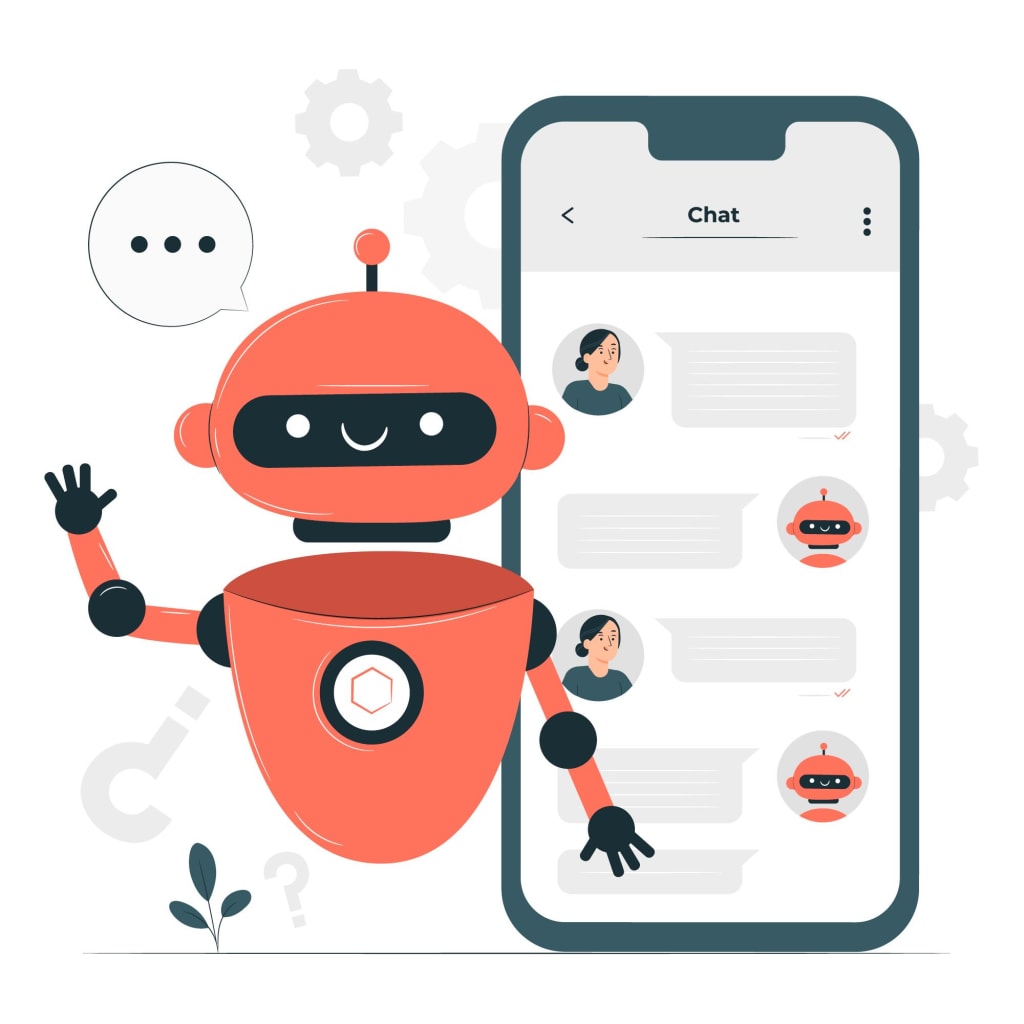
In a rapidly evolving digital world, technology is becoming more than just a convenience—it's becoming a companion. One of the most transformative advancements in this space is the emergence of the emotional support AI chatbot. Designed to offer empathy, understanding, and mental wellness assistance, these chatbots are redefining how individuals access emotional care, especially when traditional support systems fall short.
What Is an Emotional Support AI Chatbot?
An emotional support AI chatbot is an artificial intelligence program specifically designed to engage users in empathetic conversations. Unlike regular AI assistants that focus on functional tasks like setting reminders or answering factual questions, emotional support chatbots are trained using psychological principles and natural language processing (NLP) to offer emotional care. They can listen, reflect, respond, and even remember aspects of past conversations—creating a more human-like, therapeutic experience.
These AI companions are particularly useful for those who feel isolated, anxious, stressed, or simply in need of someone to talk to without judgment. Available 24/7 and without the barriers of cost or availability, emotional support AI chatbots are becoming increasingly popular worldwide.
The Growing Demand for AI-Based Emotional Support
Mental health is a growing global concern. According to the World Health Organization (WHO), depression is one of the leading causes of disability, and nearly 1 billion people live with a mental disorder. Unfortunately, access to mental health services remains limited in many regions due to high costs, long waiting lists, and social stigma.
This is where emotional support AI chatbots play a crucial role. They fill the gap by providing instant, private, and accessible support. For many, initiating a conversation with a human therapist can be intimidating. A chatbot offers a judgment-free zone where users can open up at their own pace.
How Do These Chatbots Work?
The backbone of an emotional support AI chatbot is deep learning combined with NLP. These chatbots are trained on large datasets of therapeutic conversations, emotional responses, and mental health literature. As users engage with them, the chatbot can detect emotional cues—such as sadness, anxiety, or anger—and tailor its responses to offer comfort, reassurance, and coping strategies.
Some advanced chatbots also use sentiment analysis to gauge the emotional tone of the user's input and adjust their conversational style accordingly. Over time, some systems even "learn" from repeated interactions to provide more personalized support.
Key Benefits of Emotional Support AI Chatbots
24/7 Availability: Human therapists are limited by hours and availability, but an AI chatbot is always there—day or night.
Non-Judgmental Conversations: Many users appreciate the anonymity and neutrality of talking to a chatbot, where they can express their emotions freely without fear of stigma.
Cost-Effective: Mental health therapy can be expensive. Emotional support AI chatbots offer a free or low-cost alternative for those who can’t afford traditional therapy.
Privacy and Security: Most platforms ensure secure and confidential interactions, encouraging users to speak openly.
Bridge to Professional Help: While not a replacement for therapy, these chatbots can serve as a first step toward healing, offering support while guiding users toward professional mental health services when needed.
Real-Life Use Cases
Teens and Young Adults: With rising mental health issues among youth, emotional support AI chatbots offer a relatable and accessible way to talk through personal struggles.
Remote Workers: The isolation of working from home can impact mental health. AI chatbots provide quick emotional check-ins and mental relief throughout the day.
Seniors: Elderly individuals facing loneliness or grief can find comfort and companionship through regular interactions with AI chatbots.
Night Owls and Crisis Moments: During times when human support may be unavailable, such as late at night, these bots can provide immediate emotional support.
Ethical Considerations and Limitations
While emotional support AI chatbots are a valuable resource, they are not a substitute for professional diagnosis or crisis intervention. Ethical deployment requires clear disclaimers, strong data protection, and ensuring the chatbot does not offer medical advice. Transparency about the bot’s capabilities and limits is essential to avoid over-reliance.
The Future of Emotional Support AI
As AI technology continues to evolve, we can expect emotional support chatbots to become even more sophisticated—capable of offering deeper emotional understanding, multilingual support, and integration with wearable tech for real-time mood tracking. The integration of AI into mental health care is not about replacing human therapists but enhancing access to emotional support where and when it’s needed most.
Conclusion
The emotional support AI chatbot is more than just a piece of code—it’s a digital lifeline for millions. In a world where emotional challenges are increasing and access to help remains inconsistent, AI-powered companions offer a new way to feel heard, understood, and supported. As the stigma around mental health diminishes and technology becomes more human-centric, these chatbots will play an increasingly vital role in our emotional well-being journey.
About the Creator
WTMF
WTMF is an emotionally intelligent AI companion built to support you during your most vulnerable hours—especially when your thoughts won’t let you sleep.



Comments
There are no comments for this story
Be the first to respond and start the conversation.