
Effective Treatment for OCD in Wisconsin: Exploring TMS Therapy
tms center wisconsin

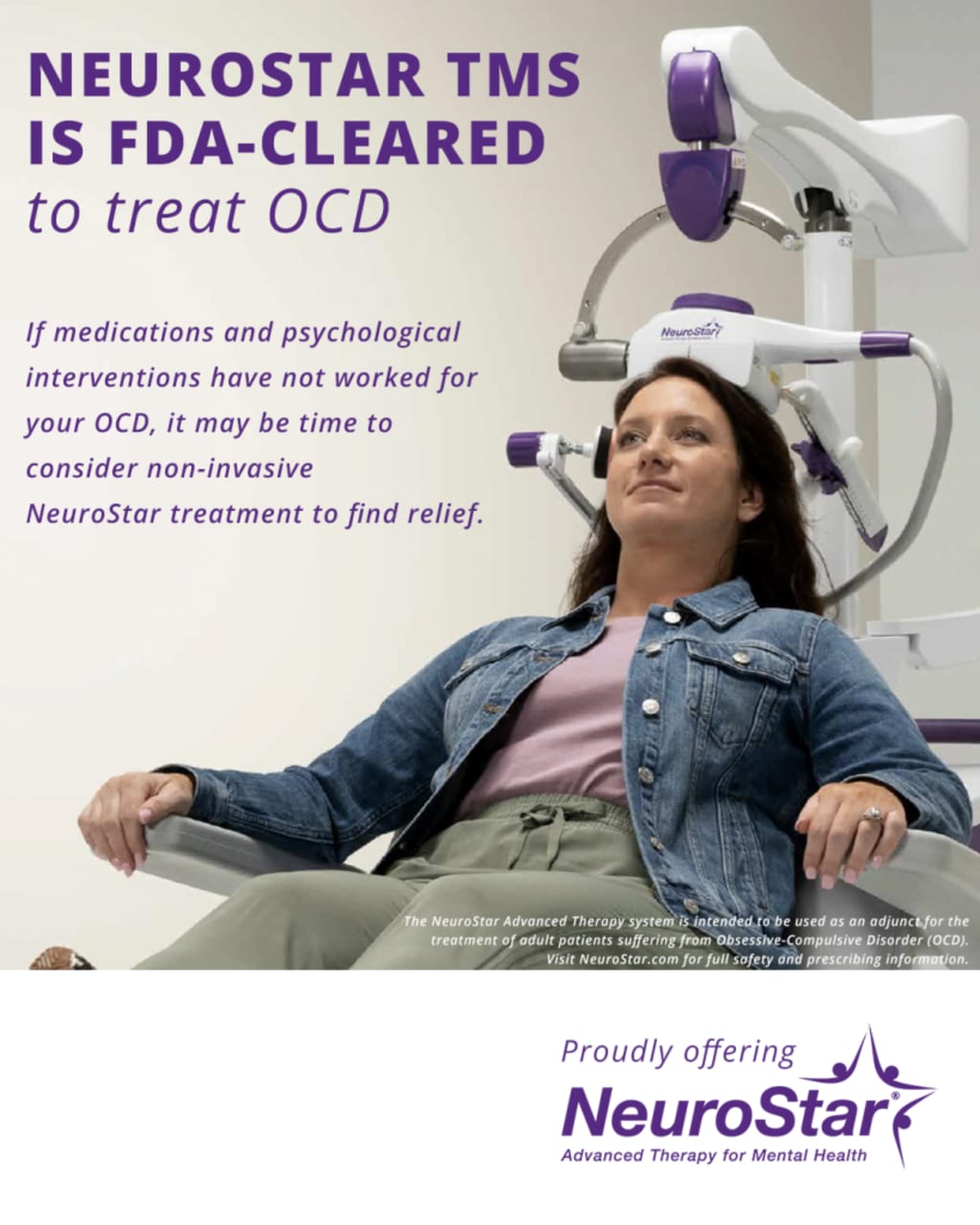
Obsessive-Compulsive Disorder (OCD) can be a debilitating condition, affecting millions of people worldwide. The persistent thoughts and compulsions can disrupt daily life and lead to significant distress. Fortunately, for those seeking treatment for OCD in Wisconsin, there are effective options available, including the innovative Transcranial Magnetic Stimulation (TMS) therapy offered by the TMS Center of Wisconsin.
Understanding OCD
OCD is characterized by recurring, unwanted thoughts (obsessions) and repetitive behaviors or mental acts (compulsions) performed to alleviate the distress caused by these thoughts. Common obsessions include fears of contamination, harming others, or making a mistake, while compulsions might involve excessive cleaning, checking, or counting.
Traditional treatments for OCD often involve a combination of cognitive-behavioral therapy (CBT) and medication. CBT, particularly Exposure and Response Prevention (ERP), helps individuals confront their fears and reduce compulsive behaviors. Medications like selective serotonin reuptake inhibitors (SSRIs) can also be beneficial in managing symptoms. However, some individuals may not respond well to these conventional methods or may experience significant side effects.
Traditional Treatment Options
Cognitive Behavioral Therapy (CBT): CBT, particularly Exposure and Response Prevention (ERP), is considered one of the most effective therapies for OCD. ERP involves gradually exposing individuals to their feared situations and helping them refrain from performing their compulsions, ultimately reducing anxiety over time.
Medication: Selective serotonin reuptake inhibitors (SSRIs) and other antidepressants are commonly prescribed to help manage OCD symptoms. These medications can help balance brain chemicals associated with anxiety and obsessions.
Support Groups: Connecting with others who have OCD can provide valuable support and understanding. Support groups offer a space to share experiences and coping strategies, reducing feelings of isolation.
Innovative Treatment: TMS Therapy
For those who have not found relief through traditional methods, Transcranial Magnetic Stimulation (TMS) offers a promising alternative. TMS is a non-invasive procedure that uses magnetic fields to stimulate nerve cells in the brain, particularly targeting areas involved in mood regulation and anxiety. This treatment has been shown to be effective for individuals who have not responded well to other therapies.
The Role of TMS Therapy
For those struggling with OCD and seeking alternative or supplementary treatments, Transcranial Magnetic Stimulation (TMS) therapy has emerged as a promising option. TMS is a non-invasive procedure that uses magnetic fields to stimulate nerve cells in the brain. This technique aims to enhance the functioning of brain regions involved in regulating mood and anxiety.
At the TMS Center of Wisconsin, patients can access cutting-edge TMS therapy tailored to their specific needs. The process involves placing an electromagnetic coil on the scalp, which sends targeted magnetic pulses to stimulate brain activity. This can help improve symptoms by modulating the brain circuits implicated in OCD.
Why Choose TMS Therapy?
Non-Invasive: TMS therapy does not require surgery or medication, making it an appealing option for those who prefer non-invasive treatments.
Minimal Side Effects: Compared to medications, TMS therapy generally has fewer and milder side effects. Most patients report only mild discomfort at the site of stimulation.
Effective Results: Many patients experience significant improvement in their OCD symptoms after undergoing TMS therapy. Studies have shown that it can be effective for individuals who have not responded well to other treatments.
Convenient Treatment: TMS sessions typically last about 30 to 40 minutes, and patients can resume their daily activities immediately afterward. This makes it a practical option for those with busy schedules.
Why the TMS Center of Wisconsin?
The TMS Center of Wisconsin is dedicated to providing top-notch care for individuals seeking treatment for OCD. With a team of experienced professionals and a commitment to personalized care, they offer a supportive environment where patients can explore TMS therapy as a viable treatment option.
The center’s advanced facilities and compassionate staff ensure that patients receive comprehensive care throughout their TMS journey. From initial evaluations to ongoing support, the TMS Center of Wisconsin is committed to helping individuals achieve the best possible outcomes in their battle against OCD.
Taking the Next Step
If you or a loved one are struggling with OCD and considering alternative treatments, TMS therapy at the TMS Center of Wisconsin could be a valuable option. Contact the center to learn more about how TMS therapy can complement your current treatment plan or offer a new path to relief.
In conclusion, effective treatment for OCD in Wisconsin is within reach, with innovative solutions like TMS therapy offering hope and improved quality of life. By exploring these advanced options, individuals can find the support and relief they need to manage their condition and live a fulfilling life.
About the Creator
TMS Center of Wisconsin
The TMS Center of Wisconsin is pleased to be the first in the state to offer TMS therapy. We are committed to helping patients who fail to receive adequate benefit from prior antidepressant medication improve the quality of their lives.
Keep reading
More stories from TMS Center of Wisconsin and writers in Humans and other communities.
Power of TMS Therapy for Depression at the TMS Center of Wisconsin
Depression can be a debilitating condition that affects millions of individuals worldwide. While traditional treatment methods like medication and therapy have proven effective for many, some individuals may find limited success or struggle with intolerable side effects. In such cases, an innovative treatment known as Transcranial Magnetic Stimulation (TMS) offers new hope. Explores the exceptional therapeutic approach provided by the TMS Center of Wisconsin, shedding light on the transformative power of TMS therapy for individuals battling depression.
By TMS Center of Wisconsinabout a year ago in Motivation
Autonomy Is The Real Privilege
Good morning, freedom-seekers! Today we’re gonna be looking at autonomy. A strange word, I know; one many would probably look at blankly and run away from on sight. We’re gonna figure out what it actually means, consider how it’s achieved, and decipher just how deeply most of us are tangled up in dependence without realising it.
By That ‘Freedom’ Guyabout 5 hours ago in Humans
Macros Made Simple: Your Beginner’s Guide to Balanced Eating
Navigating the world of nutrition can feel overwhelming. Between diet trends, calorie counting, and conflicting advice, it’s easy to lose sight of the basics. That’s where understanding macros for beginners comes in. By focusing on macronutrients, protein, carbohydrates, and fats, you can fuel your body effectively, feel energized, and create meals that support your health and fitness goals without obsessing over every calorie.
By Melody Dalisay7 days ago in Humans
A Dart at Dusk
Seconds ago, the sullen sun set on the two of us… my exuberant furry companion and me. A fresh breeze embraces us, delivering welcome relief from the day’s oppressive heat. His typical stumbling and staggering along — apace with a sloth — has turned into trip-trapping, high-stepping, almost skipping along.
By Angie the Archivist 📚🪶7 days ago in Petlife




Comments
There are no comments for this story
Be the first to respond and start the conversation.