
Earthquakes
How earthquakes affect human populations: physical, psychological and social impacts and their resolution.
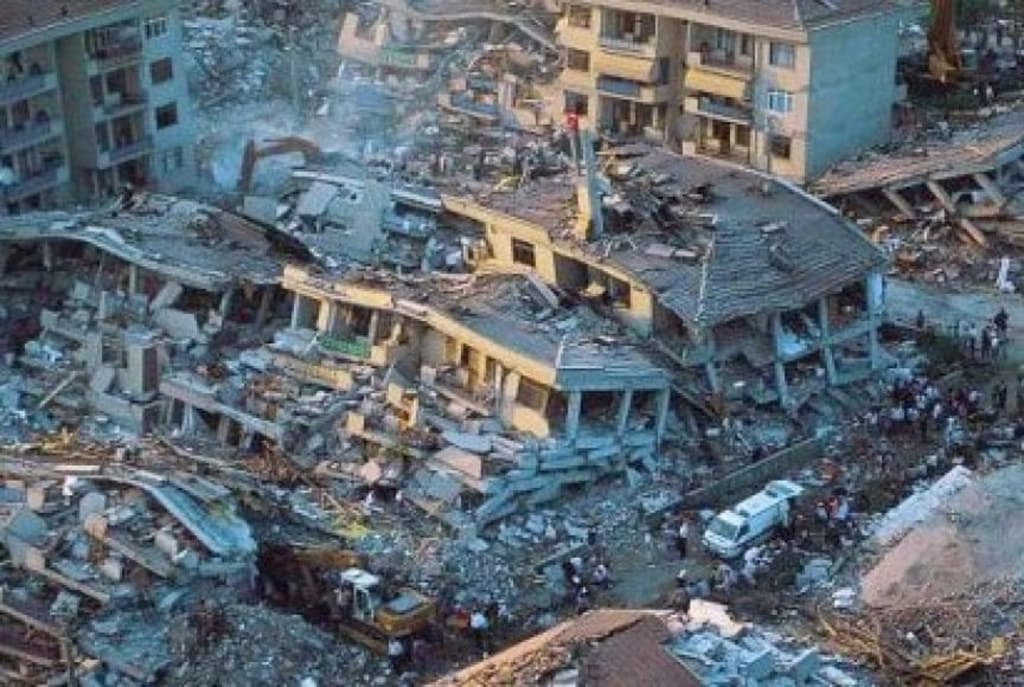
Earthquakes can have far-reaching and long-lasting impacts on human populations, affecting individuals, communities, and entire countries. The physical, psychological, and social effects of earthquakes can be devastating, and addressing these impacts is essential to help affected individuals and communities recover.
Physical Impacts
One of the most immediate effects of an earthquake is physical damage to buildings, infrastructure, and other property. This can result in physical injuries, death, and displacement for those affected. Earthquakes can also trigger secondary hazards such as fires, landslides, and tsunamis, which can exacerbate the physical damage and loss of life. In some cases, the physical impacts of earthquakes can take years or even decades to repair, and the affected communities may never fully recover.
To address the physical impacts of earthquakes, rebuilding and reconstruction efforts are necessary. Governments and organizations can provide financial support and technical assistance to help affected individuals and communities rebuild their homes and businesses. Additionally, improvements in building codes and construction practices can help reduce the physical impact of future earthquakes. By ensuring that buildings and infrastructure are constructed to withstand seismic activity, we can help protect communities and reduce the damage caused by earthquakes.
In the aftermath of an earthquake, search and rescue operations are critical to save lives and help those who have been injured. Emergency response teams, along with volunteers and local communities, work together to clear rubble, provide medical care, and assist those who have been displaced. Access to clean water, food, and shelter are also crucial in the immediate aftermath of an earthquake, and aid organizations work to provide these resources to those in need.
Psychological Impacts
The psychological impacts of earthquakes can be just as devastating as the physical effects. People who experience earthquakes can suffer from trauma and stress related to the event, and may struggle with anxiety, depression, and other mental health issues. Children and the elderly are often particularly vulnerable to psychological impacts, and it is important to provide them with the support they need to cope with the aftermath of an earthquake.
To address the psychological impacts of earthquakes, psychosocial support programs are essential. This can include counseling, mental health resources, and support groups for those affected by the earthquake. It is also important to consider the mental health needs of first responders and rescue workers who may be exposed to traumatic events. By providing mental health resources and support, we can help individuals and communities recover from the psychological effects of earthquakes.
In addition to individual support, community-based programs can also play an important role in addressing the psychological impacts of earthquakes. Community meetings, workshops, and other activities can help bring people together and provide a sense of comfort and support. This can help to mitigate the negative psychological effects of earthquakes and provide a sense of community for those affected.
Social Impacts
Earthquakes can also have significant social impacts, such as displacement and economic hardship. The displacement of communities can cause social and cultural disruption, and lead to the breakdown of social networks and support systems. Additionally, the economic costs of earthquakes can be substantial, leading to financial hardship and long-term economic instability.
To address the social impacts of earthquakes, community-based programs and economic recovery efforts are necessary. This can involve the provision of temporary housing and support for individuals who have been displaced, as well as economic revitalization programs to help communities recover. Additionally, social support networks can play a crucial role in helping affected individuals and communities cope with the aftermath of an earthquake.
In the aftermath of an earthquake, communities often come together to support one another and provide aid to those in need. This can involve volunteers and aid organizations working together to provide food, shelter, and other resources to those who have been affected. Additionally, community-based programs can provide educational and recreational activities to help
About the Creator
Keep reading
More stories from writers in Humans and other communities.
How Local Singles Can Solve Anxiety And Fear While Searching For Love
The anxiety of dating is usually based on the past experiences, fear of rejection, or the pressure of the society to find someone to date. Local singles can be under increased levels of stress because of limited dating areas, social conditions, or fear of bumping into acquaintances. It is important to have knowledge about the sources of this anxiety in order to deal with it. Patterns, triggers, and emotional blocks may be determined by self-reflection, journaling, or therapy. Identifying the causes of fear will allow people to distinguish rational postulates and overblown concerns, which will form a background of healthier dating. The first thing towards getting back to control over anxiety is awareness.
By Tiana Alexandra5 days ago in Humans




Comments
There are no comments for this story
Be the first to respond and start the conversation.