
Discovering the Extreme Challenges Faced by Brave Inhabitants in Some of the World's Most Hostile Environments
A list of ten frightening locations on Earth that are unsuitable for human habitation, but where people still reside

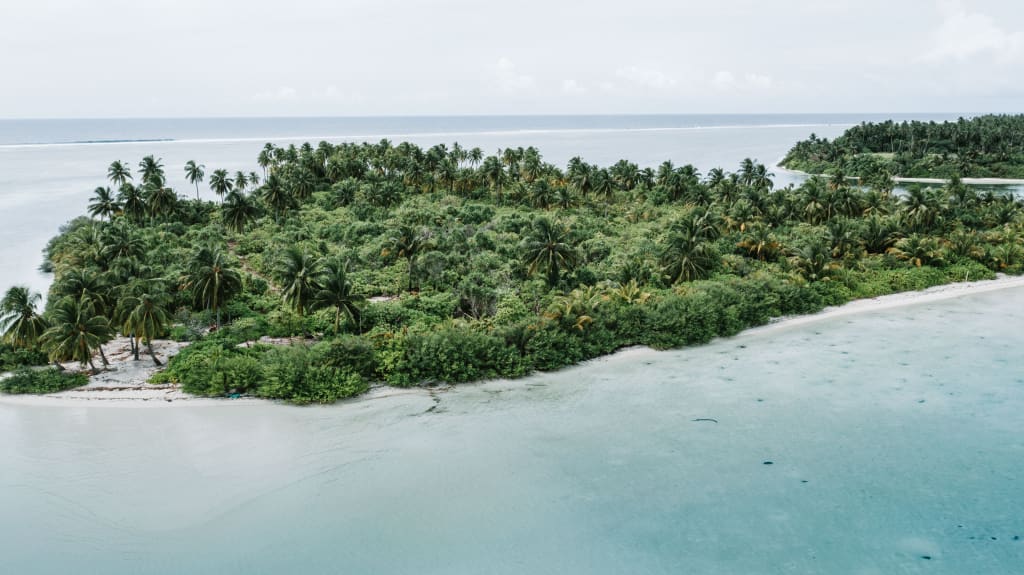
From some of the planet's hottest regions to the coldest ones, lies a breathtaking lake located within a volcanic crater. Here are the top 10 most dangerous and unlivable places on Earth where people actually reside. Our list starts at number 10 with Alert. Alert is a small settlement situated on the northern tip of Ellesmere Island in Nunavut, Canada. It is considered one of the world's northernmost settlements and has an inhospitable environment with extremely low temperatures, harsh winds, and long periods of darkness during winter. Despite these challenges, people still live in Alert. Initially established in 1950 as a weather station and military outpost during the Cold War, Alert remains an important monitoring station for climate change and military activities in the Arctic region. The population fluctuates depending on the season, but there are typically around 50 people living and working there, mostly military personnel, scientists, and support staff. They face numerous challenges such as limited supplies, extreme isolation, and the constant threat of polar bear encounters. However, the residents of Alert take pride in their unique community and the essential work they do. They have developed a strong sense of camaraderie and resilience necessary for survival in such a harsh environment.
Moving on to number nine on our list, we have the Danakil Depression. This geological depression is situated in the Afar Triangle of Ethiopia and is a result of Africa and Asia moving apart, causing rifting and volcanic activity. It is the hottest place on Earth, with year-round average temperatures, and one of the lowest places on Earth, sitting 100 meters below sea level. The Danakil Depression is home to active volcanoes, salt springs, sulfur springs, and receives only four to eight inches of rain annually. Its otherworldly landscape and inhospitable environment seem to belong on another planet. However, the Afar people call this place home and have managed to thrive in this extreme environment. They have adapted to need less food and water than other humans, and over centuries, they have overcome the odds and obstacles, making it one of the most remarkable things on Earth.
One of the most extraordinary things I've ever heard of is the Danakil Depression, a popular destination for adventurous travelers seeking a truly out-of-this-world experience. Visitors can explore the area on foot or by camel, taking in breathtaking views of the alien-like landscape. Despite the harsh conditions, the area is also home to a number of fascinating animals and plants that have adapted to this very unique environment. In our eighth spot today, we have Kabwe, located in Zambia. This place has been described as the world's most toxic town due to the toxins from a century of mining and smelting, which led to generations being exposed to unbelievable amounts of toxins and mass lead poisoning. Although the plants closed in 1994, the population of 220,000 people who still live here are still exposed to lead in the dust and soil that is 10 times the U.S safety limit.
Unfortunately, nothing can be done for all of the people who had to deal with this for the last century and a half. In our seventh spot today, we have Oymyakon, located in Russia, known as the coldest inhabited place on Earth. The town's population of around 500 residents lives in an average temperature of around negative 40 degrees Celsius, and the ground is covered in permafrost, making growing crops impossible. Due to the temperature, living here looks different, with outhouses instead of plumbing and cars running continuously. During the shortest days, residents live in darkness for 21 hours a day. Getting to this small town can take quite some time as well, as the closest towns are still over 900 kilometers away, and the road that leads to the town is called the "road of bones," which sounds ominous and probably should not be traveled alone.
In our sixth spot today, we have Salar de Uyuni, the world's largest salt flat located in the southwest of Bolivia near the crest of the Andes. The area spans over ten thousand square kilometers and is characterized by a stunning otherworldly landscape. This peculiar place was formed by the evaporation of a prehistoric lake, leaving behind a thick layer of salt crust that stretches as far as the eye can see. During the rainy season, the salt flat becomes a giant mirror reflecting the sky and clouds in a breathtaking spectacle. The unique terrain and climate of the area have also given rise to many unusual natural formations.
The area is punctuated by small rock islands and giant cacti that provide shelter to a range of animal species. Despite being mostly devoid of life, these cacti can grow up to 12 meters (39 feet) tall. The region also features active geysers, hot springs, and colorful lakes filled with flamingos. During November, three species of South American flamingos come to the area to feed on local brine shrimps. The location also boasts a rich cultural history, having been inhabited by the indigenous Amara people for thousands of years, who have maintained their traditional way of life and culture to this day.
In the fifth spot, we have Ittoqqortoormiit, one of the remotest towns in Greenland, requiring a helicopter ride from the nearest airport to reach it. Founded in 1925 by a Danish polar explorer and around 80 Inuit settlers, this town is located far away from any other inhabited area in Greenland. Archaeological remains indicate that the area was once inhabited by Inuit populations in the past. The town has about 450 residents and is known for its wildlife, including polar bears, musk oxen, and seals. It is also a popular tourist destination for its stunning Northern Lights and other natural wonders, although sea ice blocks any ships from docking for nine months out of the year.
In the fourth spot, we have La Rinconada, located near the Peruvian Andes close to a gold mine. It is the highest permanent settlement in the world, situated at an altitude of 5,100 meters above sea level. Between 2001 and 2009, the population increased greatly due to a 235% rise in the price of gold. The town has an Alpine tundra climate with an average temperature of around 1 degree Celsius. The residents work in extremely dangerous mercury-filled mines, and their living conditions are poor, as they work 25 days of the month for no pay and only have five days to work for themselves. The town has no running water or sewage, and many of its residents live in poverty. It is a six-hour bus ride from the nearest city on unpaved roads, and there is no regular bus schedule.
In the third spot, we have Lake Nyos in Cameroon, which is different from other lakes due to the volcanic crater it sits in. The magma floor releases carbon dioxide into both the water and the surrounding air, making it less than ideal for living and breathing. A limnic eruption occurred in 1986, which is rare and happens when dissolved carbon dioxide suddenly erupts from lake waters, forming a gas cloud that is lethal to any living thing in the area by displacing oxygen.
A natural event caused a toxic cloud of over a million tons of CO2, which led to the deaths of 1,700 people and 3,500 livestock in the area. Despite the risk of another eruption and weakened walls around the lake that could cause a massive flood, people have resettled in the area. It's puzzling why people would choose to live there, but there must be a reason.
La Oroya in Peru has a population of 30,000 people, despite contamination from the metal smelter that has been present since 1922. The smelter closed in 2009 after the American-owned company running it went bankrupt due to having to fund environmental cleanup and anti-pollution measures. However, the town remains one of the most polluted areas in the world, with toxic metals infecting the water, soil, and air. Despite its dangers, people still live there and suffer the adverse effects.
Zabol in Iran is a hot spot for dust storms, particularly during the summer season. The city experiences 120-day winds, which cause dust and other matter to bombard the area due to the disappearance of wetlands and high temperatures. These dust storms are not just inconvenient, but also dangerous, with officials distributing thousands of air pollution masks to prevent lung damage. In 2016, the World Health Organization named Zabol the most polluted city in the world, and a 2017 study found that 30 minutes of breathing the air outweighed the benefits of 30 minutes of cycling.
That concludes our list for today. Thank you for reading, and I have been your host.
About the Creator
Bob Oliver
Bob is a versatile writer & communicator passionate about exploring diverse topics & perspectives. I have written for various media outlets. And I believes in using words to inspire positive change. #writing #communication #passion
Keep reading
More stories from Bob Oliver and writers in Humans and other communities.
Bird's gift
Dino the Potter and the Golden Wheat In a small village lived a potter named Dino. Dino was a master of his craft. He could make beautiful and durable pots from clay. One day, the village’s generous landlord was so impressed by one of Dino’s pots that he gifted him a small piece of farmland.
By Sudais Zakwan6 days ago in Humans

Comments
There are no comments for this story
Be the first to respond and start the conversation.