
Digital Citizenship: Fostering a Culture of Respect and Accountability Online
Digital citizenship encompasses the skills, knowledge, and behaviors required to engage in safe, respectful, and responsible online interactions.
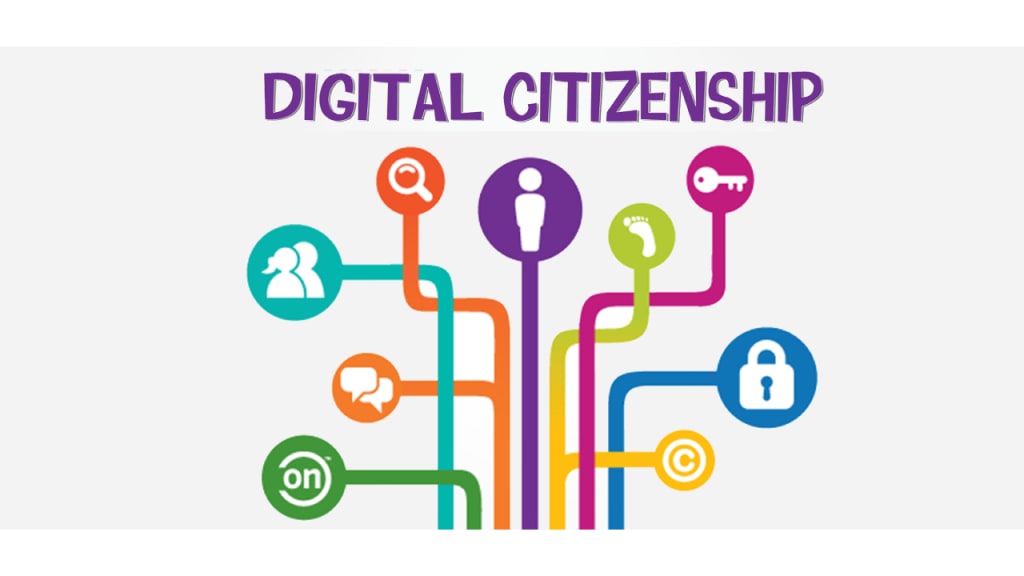
In today's interconnected world, digital citizenship has become an increasingly critical topic. As we spend more time online, it is essential to understand how to navigate the digital landscape responsibly and ethically. Digital citizenship encompasses the skills, knowledge, and behaviors required to engage in safe, respectful, and responsible online interactions. This blog explores the importance of fostering a culture of respect and accountability in the realm of digital citizenship.
Respectful Online Communication
One of the foundations of digital citizenship is respectful communication. In the virtual world, it is easy to forget that there are real people behind the screens. Engaging in respectful online conversations involves being mindful of our language and tone, actively listening to others, and expressing differing opinions in a civil manner. By practicing empathy and understanding, we can create a positive and inclusive online environment.
Promoting Online Safety and Security
Digital citizens must prioritize online safety and security. This involves being cautious about sharing personal information, using strong passwords, and being vigilant against online threats such as phishing scams and malware. Being a responsible digital citizen also means promoting cyber security awareness among others, helping to protect individuals and communities from online vulnerabilities.
Media Literacy and Critical Thinking
In an era of abundant information, media literacy and critical thinking skills are paramount. Digital citizens must learn to critically evaluate the credibility and reliability of online sources. By teaching ourselves and others how to differentiate between fact and fiction, we can combat the spread of misinformation and make informed decisions based on reliable information. Developing these skills not only benefits individuals but also contributes to the overall well-being of society.
Responsible Social Media Use
Social media has become an integral part of our lives, and responsible use is vital for digital citizenship. Digital citizens should be mindful of the content they share, considering the potential impact it may have on others. It is important to engage in respectful and constructive discussions, avoiding cyberbullying, hate speech, and the spread of harmful content. By fostering a culture of empathy, support, and positive engagement, we can transform social media platforms into spaces that promote collaboration, understanding, and personal growth.
Digital Footprint and Online Reputation
In the digital world, everything we do leaves a trace. Our online activities contribute to our digital footprint, which shapes our online reputation. Being aware of our digital footprint involves understanding that our actions, comments, and interactions online can have long-lasting consequences. Digital citizens must strive to build a positive online reputation by showcasing their skills, talents, and ethical behavior. Additionally, we should help others understand the importance of managing their digital footprints responsibly.
Promoting Diversity and Inclusion
Digital citizenship also encompasses promoting diversity and inclusion online. The internet has the power to connect people from all walks of life, cultures, and backgrounds. As digital citizens, we should embrace this diversity and create spaces that are welcoming and inclusive for all. By celebrating different perspectives and actively combating discrimination and harassment, we can foster a sense of belonging and mutual respect in the digital realm.
Educating the Next Generation
Digital citizenship education is crucial for the next generation. Schools and parents play a pivotal role in teaching young individuals about responsible online behavior, critical thinking, and ethical decision-making. By providing comprehensive digital citizenship education, we equip young people with the skills and knowledge needed to navigate the digital landscape safely and responsibly, ensuring a brighter and more inclusive future.
Conclusion
Fostering a culture of respect and accountability online is essential for digital citizenship. By embracing respectful communication, promoting online safety and security, developing media literacy and critical thinking skills, using social media responsibly, managing our digital footprints, embracing diversity and inclusion, and educating the next generation, we can create a digital world that reflects the best of humanity. Let us strive to be responsible digital citizens, leaving.
About the Creator
Keep reading
More stories from Nisha Handa and writers in Humans and other communities.
Project Based Learning: Empowering Students to Learn
The traditional classroom model of education, with its emphasis on rote memorization and passive learning, has long been criticize for its limit effectiveness in preparing students for real-world challenges. In recent years, educators and researchers have been exploring alternative approaches that foster deeper understanding, critical thinking, and problem-solving skills. One such approach that has gain significant attention is Project Based Learning (PBL). This article explores the concept of PBL and its transformative power in empowering students to take ownership of their learning.
By Nisha Handa3 years ago in Education
Whiskey At Dusk
Guess the whiskey was more important to you in the end, wasn’t it? It was more than the well-being of your friends; more vital than showing up to the places you promised you would and could come to; more critical of a matter than fulfilling your damn responsibilities and getting the press off your back.
By Snarky Lisaa day ago in Humans
🅼🅸🅳🅽🅸🅶🅷🆃 🆂🅽🅰🅲🅺🆂
"It's 10 in Tuscon! We all know what that means... It's Time for Midnight Snacks with your man, Gerald Gee! Ready to spend the night together? Me too! I'm full of snacks and can't wait to regurgitate them all back into your hungry ears. Crack a brew! Pop some corn! Anything to get ready for one hell of a show where the talk maybe cheap but the words cut deep...
By Lamar Wiggins3 days ago in Fiction


Comments
There are no comments for this story
Be the first to respond and start the conversation.