
Digging into the Past: What Ancient Proteins Say About Real Medieval Meals
How Science Is Reconstructing the True Diets of People Who Lived Hundreds of Years Ago

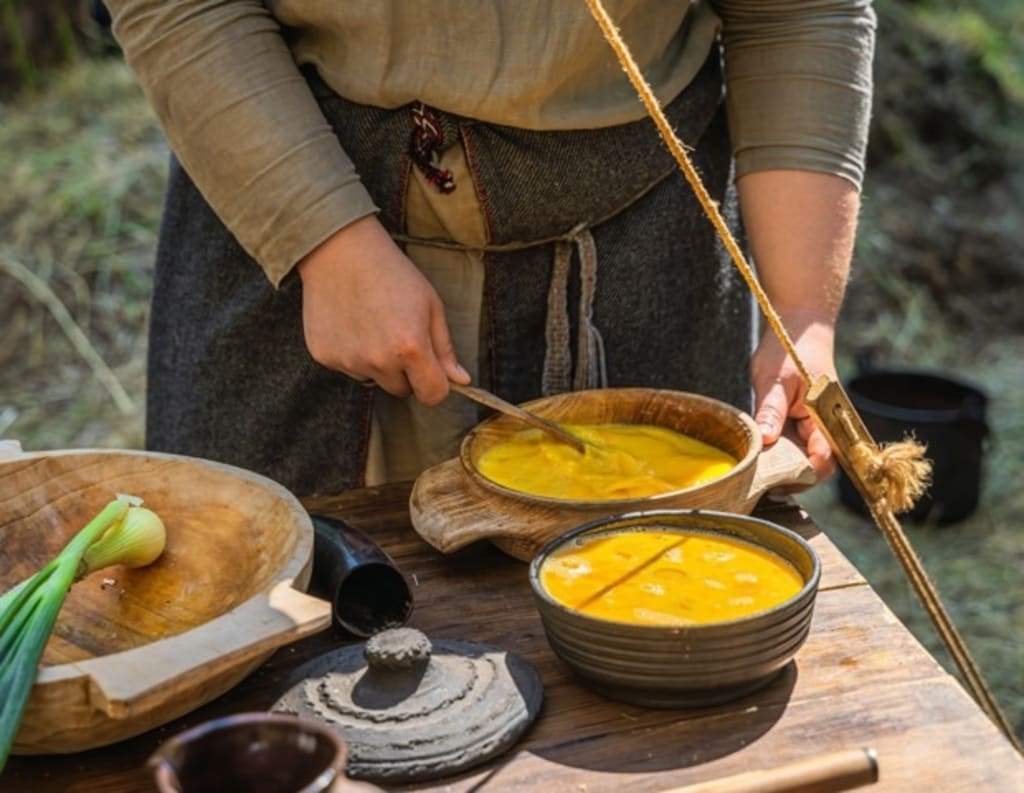
When we think of medieval meals, it is easy to imagine giant turkey legs, overflowing goblets of wine, and tables covered in bread and cheese. Popular culture often paints a dramatic picture of what people in the Middle Ages ate. But what did medieval people really eat? Thanks to modern science, particularly the study of ancient proteins, researchers are uncovering the truth about the diets of people who lived centuries ago — and the results might surprise you.
For a long time, archaeologists relied mostly on written records, art, and cooking tools to guess what people ate in the past. But those sources often reflected the diets of the rich and powerful — kings, nobles, and monks. The diets of ordinary people were harder to trace. That changed when scientists began examining ancient proteins preserved in human teeth and bones.
Proteins are more durable than DNA and can survive for hundreds or even thousands of years. When people eat, tiny bits of food proteins get trapped in their dental plaque. Over time, these harden into tartar and stick to teeth. Today, researchers can remove that tartar, analyze it, and identify specific proteins from meat, grains, vegetables, and dairy that the person once ate.
This method, called paleoproteomics, is giving historians a clearer picture of what real medieval meals looked like — not just at royal feasts but at regular dinner tables.
For example, in northern Europe, researchers found milk proteins in the teeth of people who lived more than 800 years ago. This discovery suggests that dairy products such as cheese, butter, and possibly yogurt were more common in medieval diets than previously thought. While some records had suggested milk was mainly for children or the sick, the protein evidence shows it was regularly consumed by adults too.
In other cases, the analysis revealed surprising ingredients. At one medieval monastery site in the UK, scientists discovered evidence of cod and herring proteins in people who lived far inland. This suggests that salted or dried fish was transported over long distances and that the medieval trade networks for food were much more active than once assumed.
In parts of Central Europe, protein evidence has revealed that peas, beans, lentils, and grains like barley and wheat made up a large part of daily meals. These plant-based proteins support the idea that many medieval people followed mostly vegetarian diets, not by choice, but due to cost and availability. Meat was expensive and often saved for special occasions or religious holidays.
Interestingly, the study of ancient proteins also helps correct myths. In some medieval records, it was believed that certain foods were avoided due to religious or cultural taboos. But protein analysis tells another story. In some regions where pork was thought to be rarely eaten, scientists found clear evidence of pig proteins in human remains. This shows that actual diets could differ from official rules or recorded customs.
Beyond uncovering what people ate, these studies help us understand medieval health. The presence of certain food proteins can show whether diets were rich in nutrients or lacking in key vitamins. Combined with dental and bone health studies, this can tell us which social classes had better diets, how food shortages affected populations, and even how diseases linked to nutrition spread.
The process is not easy. Extracting proteins from old remains requires advanced tools and careful handling to avoid contamination. But as technology improves, more and more discoveries are being made, even from tiny samples. Scientists now hope to build global maps of ancient diets and compare how food habits changed over time and across cultures.
What makes paleoproteomics especially exciting is that it gives a voice to the ordinary people of the past. Most historical records were written by the elite, but protein analysis does not lie. It reflects what people actually ate — rich or poor, healthy or sick, ruler or farmer.
So next time you watch a medieval drama or read a historical novel, you might wonder if that banquet scene is truly accurate. Thanks to the power of ancient proteins, we are now closer than ever to knowing what was really on the menu hundreds of years ago.
About the Creator
Keep reading
More stories from DigitalAddi and writers in Humans and other communities.
How This 35-Year-Old Man Looks Like a Teenager
In a world where looking young is a billion-dollar industry, one man is drawing attention for achieving it without expensive treatments or cosmetic surgery. Meet Jonathan, a 35-year-old from the UK, who regularly gets mistaken for a teenager. With a youthful face, smooth skin, and a lean build, many are shocked when they learn his real age. But Jonathan says his youthful looks are not the result of magic. Instead, he attributes them to a few consistent daily habits and a mindful lifestyle.
By DigitalAddi6 months ago in Humans


Comments
There are no comments for this story
Be the first to respond and start the conversation.