
Diary of a Mad Black Woman
Diary of a Mad Black Woman – A Comprehensive Overview

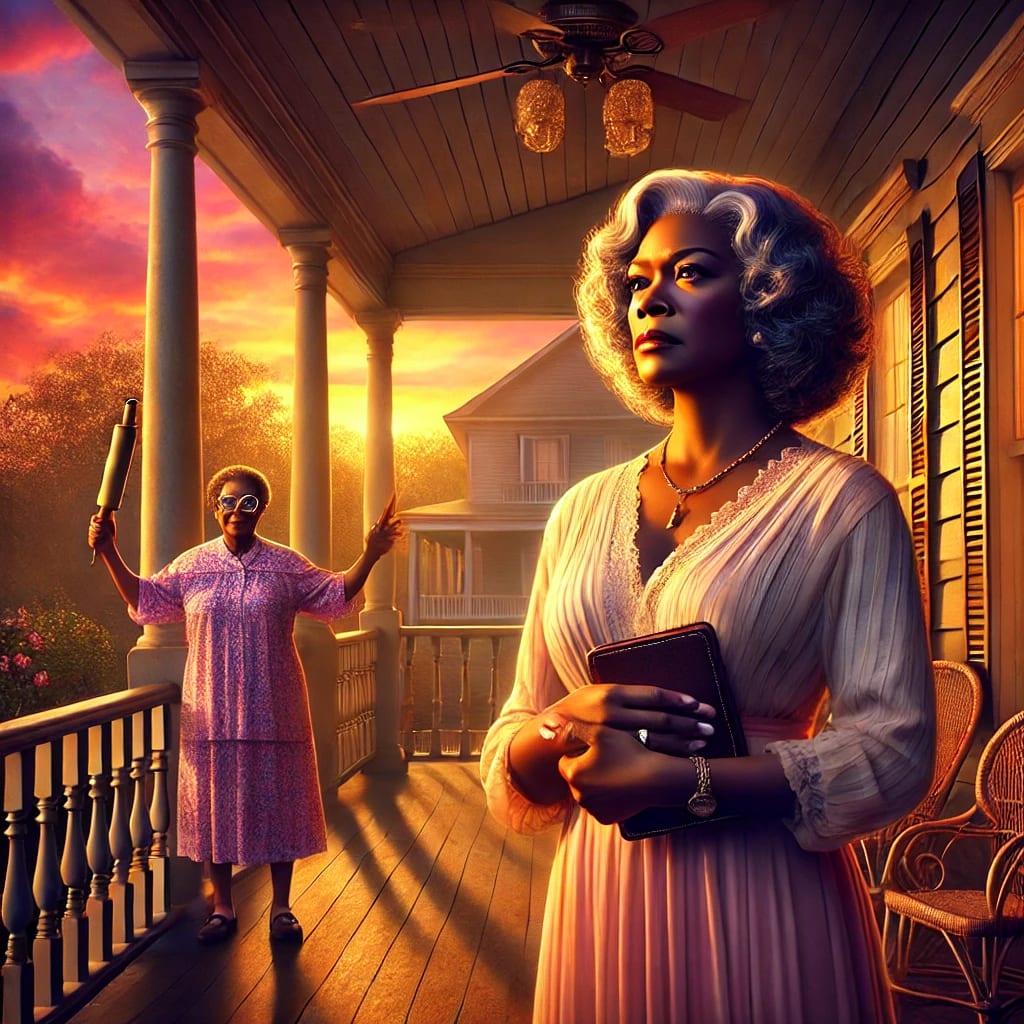
Diary of a Mad Black Woman – A Comprehensive Overview
"Diary of a Mad Black Woman" is a poignant, dramatic, and humor-laden film that tells the story of Helen Simmons-McCarter’s tumultuous journey of heartbreak, self-discovery, and forgiveness. Directed by Darren Grant and written by Tyler Perry, the film strikes a delicate balance between moments of pain and hilarity, thanks to the presence of Madea, a now-iconic character.
Introduction to the Movie Brief Summary of the Plot
"Diary of a Mad Black Woman" follows Helen, a devoted wife whose life is turned upside down when her husband, Charles, abruptly leaves her for another woman. The betrayal forces Helen to rediscover her identity and rebuild her life with the help of her family, friends, and unexpected new love. The story is a powerful exploration of resilience, forgiveness, and the pursuit of true happiness.
The Significance of the Title
The title reflects Helen’s emotional state as she documents her struggles and triumphs, much like a diary. It captures the raw and honest expression of a woman scorned, but also her journey towards peace and empowerment.
Background and Production Tyler Perry’s Role in the Film
Tyler Perry not only wrote the screenplay but also played multiple roles in the film, including the beloved Madea. His vision brought authenticity and depth to the story, blending his unique humor with a touching narrative.
The Transition from Play to Movie
Before becoming a film, "Diary of a Mad Black Woman" was a successful stage play. Adapting the story for the big screen allowed it to reach a wider audience, showcasing Perry’s knack for creating relatable and emotionally resonant stories.
The Main Characters Helen Simmons-McCarter
Helen is the protagonist whose world crumbles when her husband betrays her. Her transformation from a heartbroken wife to a confident and independent woman is the heart of the film.
Charles McCarter
Charles, Helen’s wealthy but unfaithful husband, represents the epitome of betrayal and manipulation. His downfall and eventual redemption add complexity to the narrative.
Orlando
Orlando serves as a beacon of hope and love for Helen. His patience and kindness contrast sharply with Charles’ cruelty, helping Helen see her worth.
Madea and Her Influence
Madea, Helen’s no-nonsense grandmother, provides comic relief and life lessons. Her fierce love and unapologetic attitude make her a standout character who resonates with audiences.
Themes Explored in the Film Love and Betrayal
Helen’s decision to forgive Charles, despite his wrongdoings, underscores the transformative power of forgiveness.
Self-Discovery and Empowerment
Helen’s journey from dependence to self-reliance is a testament to the strength of the human spirit, inspiring viewers to embrace their inner power.
The Role of Madea – Comic Relief and Wisdom
Madea as a Cultural Icon
Madea, played by Tyler Perry, is more than just a comic relief character. She’s a symbol of tough love and unyielding wisdom, delivering life lessons wrapped in humor. Madea’s exaggerated personality, combined with her undeniable care for her family, creates a unique blend of comedy and warmth. Her unorthodox methods of dealing with problems—like wielding a chainsaw to settle disputes—make her both relatable and unforgettable.
Balancing Humor and Seriousness
The film masterfully uses Madea’s humor to lighten the weight of its serious themes. While the narrative explores heartbreak and betrayal, Madea’s presence ensures that the audience doesn’t drown in despair. Her quirky wisdom and sharp wit offer moments of levity that highlight the film’s emotional depth.
Critical Reception Audience Response
"Diary of a Mad Black Woman" struck a chord with audiences, especially within the African-American community. Viewers appreciated its authentic portrayal of struggles, resilience, and cultural nuances. Many praised the film for its mix of emotional storytelling and comedic elements, making it an enjoyable yet thought-provoking experience.
Critic Reviews and Box Office Performance
Critics had mixed reactions to the film. While some applauded Tyler Perry’s storytelling and character development, others critiqued its tonal shifts between drama and comedy. Despite this, the movie performed exceptionally well at the box office, grossing over $50 million on a modest budget, proving its strong appeal.
Cultural Impact of "Diary of a Mad Black Woman"
Representation of African-American Women
The movie shines a light on the experiences of African-American women, particularly in marriage and relationships. Helen’s story resonates with many women who’ve faced similar struggles, making her journey both relatable and empowering.
Marriage, Faith, and Healing in the Black Community
The film delves into themes of faith, redemption, and community healing. It emphasizes the importance of familial support and faith in overcoming life’s trials, reflecting values deeply rooted in many Black households.
Iconic Scenes and Memorable Quotes
Key Moments in Helen’s Journey
One unforgettable scene is Helen throwing Charles’ belongings into the pool—a cathartic act that symbolizes her breaking free from his control. Another powerful moment is her confrontation with him in the hospital, where she delivers a heartfelt yet firm reminder of the pain he caused.
Memorable Dialogues by Madea
Madea’s sharp-tongued advice is filled with memorable quotes, like, “You let a man walk all over you, he’ll keep his shoes on.” These lines add humor while delivering impactful messages about self-respect and boundaries.
The Soundtrack of the Movie
How Music Amplified Emotional Scenes
The soundtrack of "Diary of a Mad Black Woman" enhances its emotional impact. Songs are carefully chosen to mirror Helen’s journey, amplifying her moments of heartbreak, healing, and hope.
Featured Artists and Songs
The soundtrack includes powerful tracks from artists like Tamela Mann, whose song "Father Can You Hear Me" resonates with the film’s themes of faith and redemption. The music not only complements the narrative but also stands out as a beautiful collection on its own.
Lessons Learned from "Diary of a Mad Black Woman"
Empowerment Through Adversity
Helen’s transformation showcases that adversity can be a stepping stone to self-discovery and empowerment. Her story encourages viewers to find strength in themselves, even when faced with betrayal and heartbreak.
Importance of Forgiveness
The film emphasizes the liberating power of forgiveness. Helen’s decision to forgive Charles, despite his wrongdoings, serves as a reminder that forgiveness is more for oneself than for the person being forgiven.
Legacy and Sequels The Success of Tyler Perry’s Franchise
"Diary of a Mad Black Woman" paved the way for Tyler Perry’s successful film and theater franchise. Madea became a household name, leading to numerous sequels and spin-offs that continued to explore themes of family, faith, and resilience.
Other Works Inspired by the Movie
The movie’s success inspired a range of projects, from stage plays to other films in Perry’s universe. Each work continues to resonate with audiences, keeping the legacy of "Diary of a Mad Black Woman" alive.
Conclusion Why the Movie Remains Relevant Today
"Diary of a Mad Black Woman" remains a timeless story of resilience, empowerment, and faith. Its themes of love, betrayal, and forgiveness resonate across generations, making it a film that continues to inspire and uplift audiences. Tyler Perry’s unique blend of humor and heartfelt storytelling ensures its place as a cultural milestone.
FAQs
What is the main message of "Diary of a Mad Black Woman"?
The main message is about finding strength in adversity, the importance of self-worth, and the healing power of forgiveness.
Who plays Madea in the movie?
Tyler Perry plays Madea, as well as other characters like Joe, showcasing his versatility as an actor and storyteller.
Is "Diary of a Mad Black Woman" based on a true story?
While not based on a true story, the film draws inspiration from real-life struggles and experiences, making it highly relatable.
How does the film address forgiveness?
The movie portrays forgiveness as a transformative act that liberates individuals from the burden of anger and resentment.
Are there sequels to "Diary of a Mad Black Woman"?
Yes, the film’s success led to sequels and spin-offs within Tyler Perry’s Madea franchise, further exploring similar themes.
About the Creator
denizan Lawyer
A skilled attorney with a passion for clear and effective communication. I combine legal expertise with creative writing to deliver informative and engaging content.
Keep reading
More stories from denizan Lawyer and writers in Humans and other communities.
Eternal Love: The Tale of a Boy Who Fell Madly in Love
A Love Beyond Words Life in the sleepy little town of Brookhaven was as steady and unchanging as the seasons. Nestled between rolling hills and sprawling fields, the town was a place where everyone knew everyone, and secrets were as rare as snow in summer. It was here that a young boy named Ethan began a journey that would change the course of his life forever.
By denizan Lawyerabout a year ago in Humans
My First Time Skiing and I Got Lost, Alone, in the French Alps
Looking back, I can trace some of my life’s biggest adventures to a simple action from my sister. She’d introduced me to Tommy (a very long time ago), a colleague of hers, who had overshared his penchant for Italian-looking women, and I ticked that box.
By Chantal Christie Weiss2 days ago in Humans
Liza Fromer: Husband, Net Worth, Biography, Age, Children & More
Liza Fromer is a well-known Canadian television and radio personality recognized for her work in broadcasting and lifestyle programming. Over the years, she has become a familiar face on Canadian television, particularly as a co-host on morning shows and as a host on health and lifestyle programs.
By Enoch Sagini5 days ago in Humans
Pandora’s Burden
“My brother warned me to not accept gifts from the one who commissioned you,” said Epimetheus to the woman clad in silvery raiments standing at the entrance to the temple. Her silver tiara and the silver rings on her fingers and toes glinted in the firelight cast by torches set on either side of the doorway. Lingering in the shadows, beyond the reach of the flames as she was, he could not tell what she held in her hands. At first what appeared to be a box was perhaps a funerary urn, or maybe merely an apple.
By J. Otis Haas2 days ago in Fiction


Comments
There are no comments for this story
Be the first to respond and start the conversation.