
Demystifying AI: Understanding the Basics of Artificial Intelligence
Understanding the Basics of Artificial Intelligence

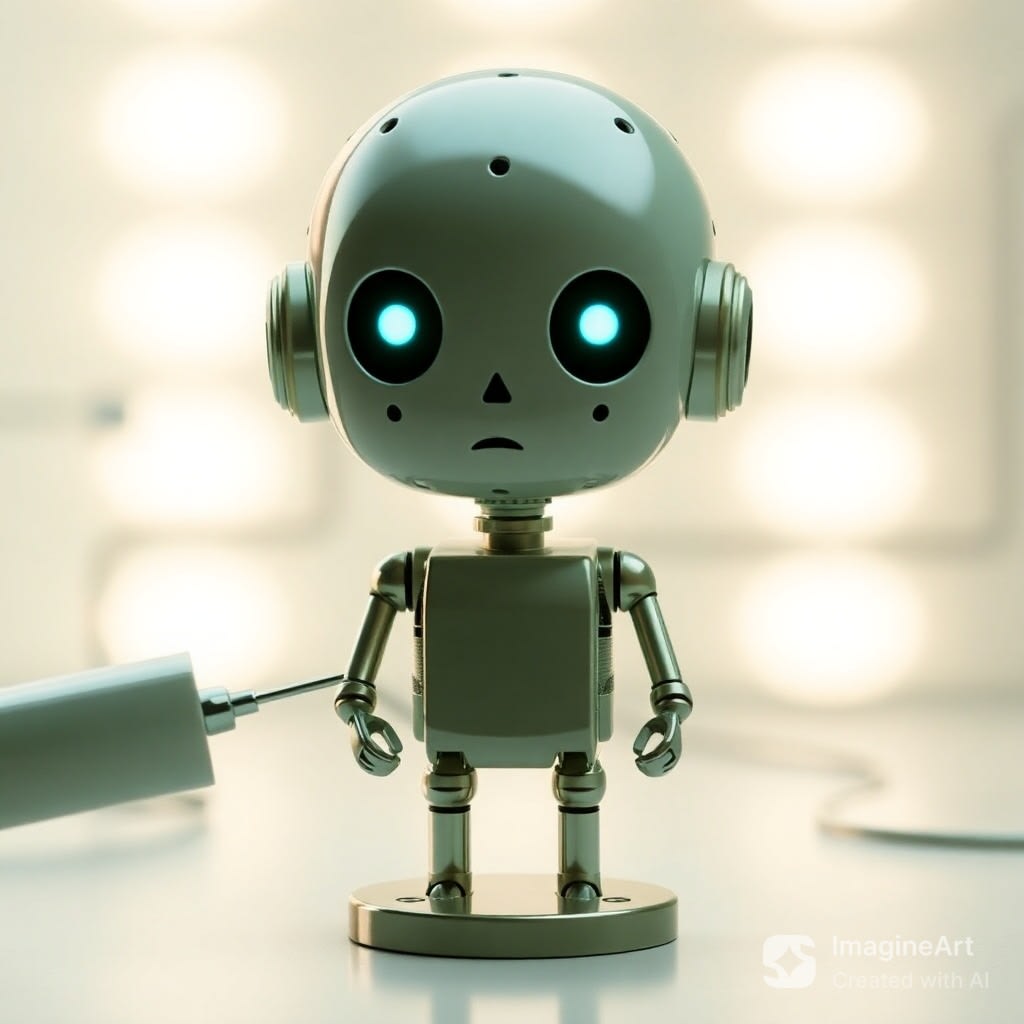
Artificial Intelligence (AI) is transforming the way we live, work, and interact with technology. From recommending your next favorite show on Netflix to helping doctors detect diseases, AI is making waves in every industry. But what exactly is AI, and how does it work?
Let's dive into the basics and simplify this complex topic so anyone can understand it.
What is Artificial Intelligence?
Artificial Intelligence refers to machines or software programs that can mimic human thinking. Simply put, AI enables computers to solve problems, learn from experience, and make decisions without being explicitly programmed for every step. Think of it as teaching machines how to think and act smartly like humans.
Key Features of AI
AI is designed with specific features that make it intelligent. These include:
- Learning: AI systems analyze data, learn patterns, and improve their performance.
- Reasoning: AI can make decisions by evaluating information logically.
- Problem-Solving: AI can provide solutions to complex issues quickly.
- Adaptability: AI learns from past experiences and adapts to new challenges.
Types of AI Explained
AI isn't just one thing - it comes in different forms. Let's explore the main types:
- Reactive AI: This is the simplest form of AI, designed to respond to specific inputs. It doesn't learn from past experiences.
Example: Chess-playing programs.
- Limited Memory AI: This type can learn from past data to make better decisions in the future.
Example: Self-driving cars that analyze traffic patterns.
- Theory of Mind AI: Still under development, this AI aims to understand human emotions and social behaviors.
- Self-Aware AI: This is a futuristic concept where AI could have its consciousness, emotions, and thoughts.
How AI Works
AI relies on a combination of data, algorithms, and computational power. Here's a quick overview:
- Collecting Data: AI gathers information from various sources like sensors, databases, and the internet.
- Analyzing Data: Algorithms process the data to identify patterns and trends.
- Training Models: Machine learning algorithms train AI systems to improve their performance over time.
- Making Predictions: AI uses what it has learned to make decisions and predictions, often faster and more accurately than humans.
Everyday Uses of AI
AI is already embedded in our daily lives, often without us even realizing it. Here are a few examples:
- Smart Assistants: Virtual helpers like Alexa and Google Assistant answer questions and control smart devices.
- Healthcare Innovations: AI helps doctors detect diseases early and recommend treatments.
- Online Shopping: Websites use AI to recommend products based on your browsing history.
- Entertainment Platforms: Streaming services suggest movies and shows based on what you like.
Navigation Apps: AI improves GPS systems by analyzing traffic patterns and suggesting faster routes.
Why AI Matters
AI is more than just a technological advancement - it's changing the world. Here's why it's so important:
- Efficiency: AI can process vast amounts of data quickly, making tasks faster and easier.
- Accuracy: AI reduces errors in tasks like medical diagnoses and financial forecasts.
- Cost Savings: Businesses use AI to automate tasks, saving time and money.
- Innovation: AI fuels the development of new technologies like smart cities and autonomous vehicles.
Challenges of AI
While AI has incredible potential, it also raises some concerns:
- Job Losses: Automation could replace human workers in some industries.
- Bias in AI: AI systems can inherit biases from the data they are trained on, leading to unfair decisions.
- Privacy Risks: AI systems collect vast amounts of data, raising questions about privacy and security.
- Ethical Concerns: Deciding who is responsible for AI's actions can be complicated, especially in critical areas like healthcare and law enforcement.
The Future of AI
AI is advancing rapidly, and its future looks promising. Researchers are focusing on making AI more ethical, secure, and accessible. In the coming years, AI could solve global challenges like climate change, improve education, and even revolutionize space exploration.
Final Thoughts
Artificial Intelligence is no longer just a concept from sci-fi movies. It's here, and it's changing our world in exciting ways. Whether helping businesses grow, improving healthcare, or making our lives more convenient, AI is a technology worth understanding.
By learning the basics of AI, we can better appreciate its potential and prepare for the changes it brings. AI isn't just about machines it's about creating a smarter and more connected future for all of us.
About the Creator
Ayesha Rasheed Rajpoot
Video Editor & Content Creator || Expert in Web Content & Blog Posts || SEO Specialist || Social Media & YouTube Management || Handling Social Media Profile & Pages
Keep reading
More stories from Ayesha Rasheed Rajpoot and writers in Humans and other communities.
The AI Arms Race: Competition and Collaboration in the Age of Intelligence
Artificial Intelligence (AI) has become one of the most talked-about topics in the world today. From smart assistants like Alexa and Siri to self-driving cars and advanced robots, AI is reshaping our world faster than ever. But behind this rapid progress, there is a hidden battle - a race to dominate AI technology. Countries and companies are competing fiercely to lead this field, while at the same time, they are finding ways to collaborate. This combination of competition and cooperation is what we call the "AI Arms Race."
By Ayesha Rasheed Rajpootabout a year ago in Humans
Autonomy Is The Real Privilege
Good morning, freedom-seekers! Today we’re gonna be looking at autonomy. A strange word, I know; one many would probably look at blankly and run away from on sight. We’re gonna figure out what it actually means, consider how it’s achieved, and decipher just how deeply most of us are tangled up in dependence without realising it.
By That ‘Freedom’ Guyabout 20 hours ago in Humans




Comments
There are no comments for this story
Be the first to respond and start the conversation.