
Democracy: The Foundation of Modern Governance
Democracy, as a subject, explores the fundamental principles and benefits of this form of government. It delves into the historical evolution of democracy, the core principles that define it, and the diverse forms it takes across nations. It sheds light on the challenges faced by democratic systems and the critical relationship between democracy and human rights. Additionally, the subject delves into the benefits of democracy, emphasising its capacity to ensure political stability, economic growth, and peaceful transitions of power. It also touches on the transformative influence of digital technology on democratic processes.

Introduction:
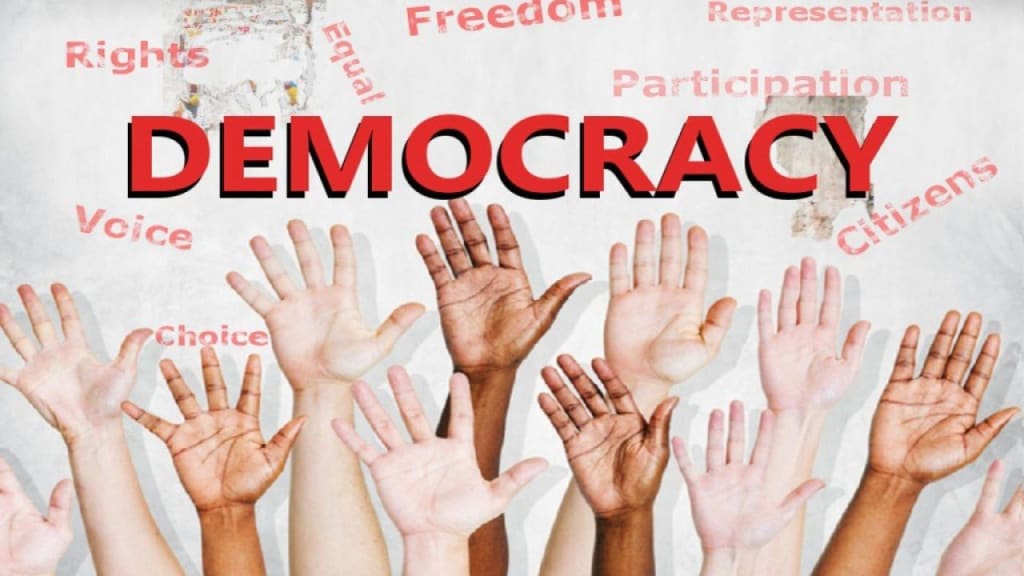
Democracy, a system of government that places power in the hands of the people, has emerged as the cornerstone of modern governance. With its emphasis on popular participation, individual rights, and accountability, democracy has shaped the political landscape across the globe. This article delves into the principles, challenges, and benefits of democracy, exploring its historical evolution, different forms, and its enduring significance in promoting freedom, equality, and the rule of law.
Historical Development of Democracy:
The roots of democracy can be traced back to ancient civilisations such as Athens, where direct participation of citizens in decision-making marked a significant departure from autocratic rule. Over centuries, democracy evolved, incorporating representative elements and expanding its reach. The Magna Carta, the American and French Revolutions, and the struggle for suffrage rights played pivotal roles in advancing democratic ideals.
The Core Principles of Democracy:
Democracy is characterised by key principles that underpin its functioning. These include political participation, free and fair elections, protection of human rights, the rule of law, and checks and balances on power. This section explores each principle, highlighting their importance in ensuring accountable and inclusive governance.
Forms of Democracy:
Democracy manifests in various forms, adapting to the needs and contexts of different nations. Representative democracy, as practiced in many countries, delegates decision-making authority to elected representatives. Direct democracy empowers citizens to participate directly in decision-making through referendums and initiatives. Hybrid systems, such as presidential and parliamentary democracies, blend elements of both.
Challenges to Democracy:
While democracy offers numerous advantages, it also faces challenges that can undermine its effectiveness. This section examines common challenges, including political polarisation, corruption, voter apathy, unequal representation, and the rise of populist movements. Additionally, the impact of misinformation and digital manipulation on democratic processes is explored, highlighting the need for media literacy and safeguarding against threats to democratic institutions.
Democracy and Human Rights:
Democracy and the protection of human rights are closely intertwined. This section emphasises how democratic societies provide a framework for safeguarding individual liberties, promoting equality, and addressing social justice issues. The role of democratic institutions, such as independent judiciaries and human rights commissions, in upholding and advancing human rights is discussed.
Benefits of Democracy:
Democracy offers numerous benefits to societies. It fosters political stability, peaceful transitions of power, and the opportunity for citizen participation in decision-making. It encourages economic development, as open societies attract investment, promote entrepreneurship, and enable innovation. Democracy also provides a platform for resolving conflicts peacefully and protecting minority rights.
Democracy in the Digital Age:
The advent of technology and the internet has transformed the democratic landscape. This section explores how digital platforms have facilitated citizen engagement, enabled transparency, and amplified voices. However, it also examines the challenges posed by online misinformation, data privacy, and the need to address the digital divide to ensure equal access to democratic processes.
Navigating the Complexities of the Digital Era :
The digital era has ushered in transformative changes, shaping the landscape in which democracy operates. This section explores how digital technologies have influenced political discourse, online activism, and electoral processes. It delves into the impact of social media, the spread of disinformation, and the potential for technology to enhance transparency and citizen participation in democratic decision-making.
The Role of Civil Society in Strengthening Democracy:
Civil society plays a vital role in upholding democratic values and holding governments accountable. This section examines the importance of robust civil society organisations, grassroots movements, and advocacy groups in safeguarding democratic principles, promoting social justice, and addressing systemic inequalities. It highlights examples of civil society initiatives that have brought about positive change and the challenges they face in some contexts.
Addressing Global Democratic Challenges:
Democracy faces a range of global challenges that require collective action and international cooperation. This section explores issues such as rising authoritarianism, democratic backsliding, and the erosion of democratic norms. It emphasises the importance of strengthening democratic institutions, promoting democratic governance globally, and supporting democratic movements in countries facing democratic deficits.
Conclusion:
Democracy, with its principles of inclusivity, accountability, and respect for human rights, remains a vital force in shaping modern governance. Despite its challenges, it offers a framework for collective decision-making, promoting social progress and safeguarding individual liberties. Nurturing and strengthening democratic institutions is essential to ensure a more equitable and participatory future for societies worldwide.
About the Creator
Why Didn't Anyone Tell Us
Men, move along. This is not for you. This is for the women. I was forty-five when I began menopause. It is pretty young for that to be going on in a woman’s life, but I had undiagnosed PCOS, my entire life. Thank you to all the gynecologists I had seen my entire life. That in itself should encourage women to keep seeking second opinions, especially when you are not getting correct answers or any at all.
By Alexandra Grant2 days ago in Humans
Recovering After Being Cheated Requires Self-Care Reflection And Emotional Reset
Finding out infidelity is a painful emotional experience. Betrayal, sadness, anger, feelings of insecurity tend to occur at the same time. The process of healing starts with the recognition of these feelings. The repression of feelings can put off the process of healing and complicate the need to process the experience completely.
By Robert Smith3 days ago in Humans




Comments
There are no comments for this story
Be the first to respond and start the conversation.