
Delivering Compassionate Oral Care For Seniors Ensures A Better Quality Of Life
Delivering compassionate dental care for the elderly in nursing homes ensures a better quality of life by addressing an often-overlooked aspect of senior health.

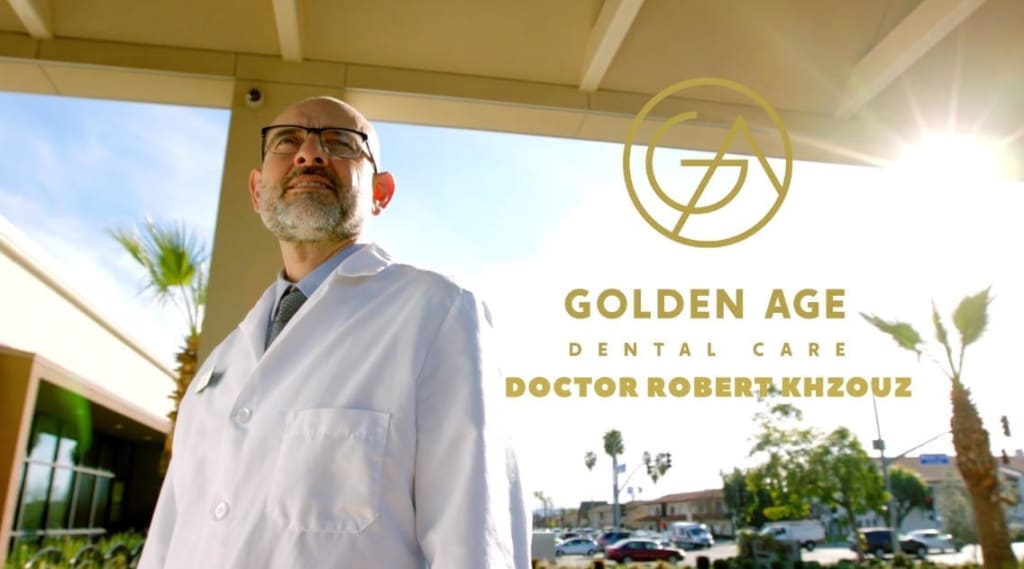
Delivering compassionate dental care for the elderly in nursing homes ensures a better quality of life by addressing an often-overlooked aspect of senior health. As people age, oral health becomes closely linked to overall well-being, comfort, and dignity. Many elderly residents face challenges such as limited mobility, chronic illness, or cognitive decline, making regular dental care essential rather than optional. Proper dental support helps seniors eat comfortably, communicate clearly, and maintain self-confidence. When oral health is neglected, pain, infection, and discomfort can significantly reduce daily enjoyment and independence.
Unique Oral Health Challenges in Nursing Homes
Elderly individuals living in nursing homes often experience complex oral health issues. Age-related changes, medications, and existing medical conditions can increase the risk of dental problems. Without proactive care, these challenges can worsen quickly and affect general health.
Common challenges include:
• Dry mouth caused by medications
• Gum disease and tooth decay
• Ill-fitting dentures
• Difficulty maintaining daily oral hygiene
• Increased risk of oral infections
Addressing these concerns requires specialized knowledge and a gentle, patient-centered approach.
Why Compassionate Dental Care Matters
Compassionate dental care goes beyond clinical treatment. It focuses on understanding the emotional, physical, and psychological needs of elderly patients. Many seniors experience anxiety or fear related to dental visits, especially if they have cognitive impairments or past negative experiences.
A compassionate approach builds trust, reduces stress, and encourages cooperation. When residents feel respected and understood, dental care becomes a positive experience rather than a source of discomfort or fear.
Improving Nutrition and Physical Health
Oral health plays a critical role in nutrition. Painful teeth, gum issues, or poorly fitted dentures can make chewing difficult, leading to limited food choices and poor nutrition. Compassionate dental care helps ensure seniors can eat a balanced diet comfortably.
Improved oral function supports better digestion, stronger immunity, and overall physical health. By addressing dental problems early, caregivers help prevent complications that could lead to hospitalizations or further health decline.
Supporting Emotional Well-Being and Dignity
Dental care also impacts emotional well-being. Seniors who experience oral discomfort may withdraw socially or feel embarrassed about their appearance. Compassionate treatment restores comfort and confidence, allowing residents to smile, speak, and interact freely.
Maintaining oral health helps preserve dignity, which is especially important in nursing home settings. Respectful dental care reinforces a sense of self-worth and independence among elderly residents.
The Role of Dental Professionals in Nursing Homes
Dental professionals working in nursing homes must adapt their approach to meet residents where they are. This often involves mobile dental services, coordination with nursing staff, and flexible treatment plans.
Key responsibilities include:
• Conducting regular oral health assessments
• Providing gentle preventive and restorative care
• Educating caregivers on daily oral hygiene support
• Monitoring changes related to health conditions or medications
This collaborative model ensures consistent and effective care for residents.
Preventive Care and Early Intervention
Preventive dental care is especially valuable for elderly residents. Regular check-ups help identify problems before they become painful or complex. Early intervention reduces the need for invasive procedures, which may be difficult for seniors with fragile health.
Preventive care also lowers long-term healthcare costs and improves comfort, making it a critical part of comprehensive elder care.
Final Thoughts
Delivering compassionate dental care for the elderly in nursing homes ensures a better quality of life by protecting health, dignity, and comfort. Through gentle treatment, preventive care, and collaboration with caregiving staff, dental professionals play a vital role in senior well-being. When oral health is treated as an essential part of elder care, residents enjoy greater comfort, confidence, and a higher standard of living in their daily lives.
About the Creator
mobile dental services
Maintaining great oral and dental health is an intrinsic part of ongoing health and wellbeing. As we age, however, it can become challenging to get to the dentist. Visit here: https://www.goldenagedentalcare.com/mobile-dental-clinic/
Keep reading
More stories from mobile dental services and writers in Humans and other communities.
Mobile Dentist - Providing Essential Dental Care For Aged Care Residents
Oral health is an essential part of overall wellness, especially for elderly individuals living in nursing homes or assisted care facilities. As people age, mobility limitations, chronic health conditions, and cognitive challenges can make it difficult for them to visit traditional dental clinics. This often leads to missed appointments, untreated dental problems, and a decline in oral hygiene. A mobile dentist bridges this gap by bringing professional nursing home dental care directly to residents. By offering convenient, compassionate, and high-quality services onsite, mobile dental teams ensure seniors receive the care they need to maintain comfort, dignity, and long-term well-being.
By mobile dental services2 months ago in Humans
I Don't Need My Phone... Wait, Is That Actually True?
My parents gave me my first cell phone when I was twelve years old. It wasn't a fancy iPhone or anything, not even close. Just a simple black flip phone for when I needed to call or text them after school.
By Madison "Maddy" Newton2 days ago in Humans
Maxwell Won’t Answer Questions From Congress, Lawyer Says
Ghislaine Maxwell’s refusal to answer questions from Congress, as confirmed by her lawyer, has reignited public debate over accountability in one of the most disturbing abuse scandals of modern times. The decision has drawn sharp reactions from lawmakers, survivors’ advocates, and the public, many of whom see her silence as another barrier to uncovering the full truth behind Jeffrey Epstein’s criminal network.
By Ayesha Lashari6 days ago in Humans




Comments
There are no comments for this story
Be the first to respond and start the conversation.