
Daily Health Care: A Comprehensive Guide to Maintaining Optimal Health
Health care advisory by specliststs

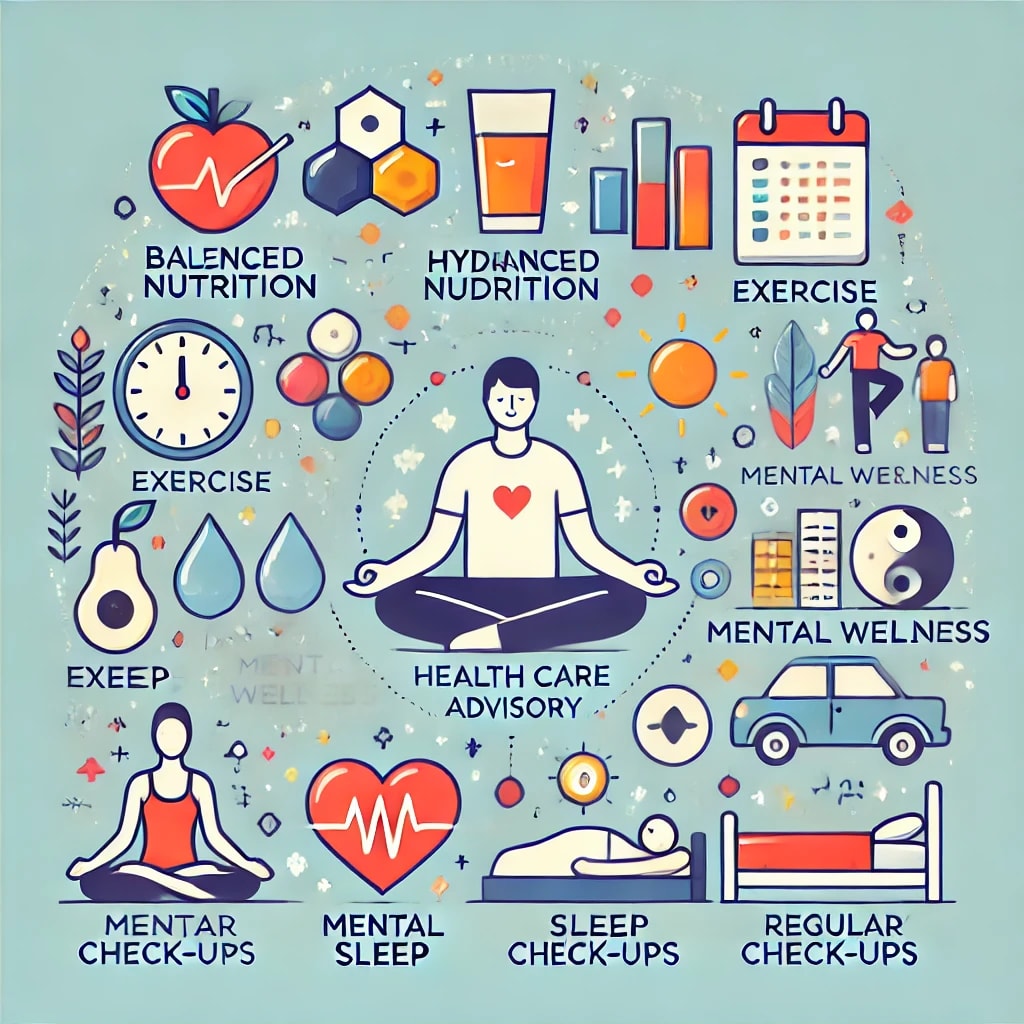
Daily health care is essential for maintaining physical, mental, and emotional well-being. The choices we make each day, from diet and exercise to sleep and stress management, form the foundation of a healthy lifestyle. Adopting simple, sustainable practices can have a significant impact on our overall health and reduce the risk of chronic diseases. This guide will cover key aspects of daily health care to help you develop a balanced and holistic approach to well-being.
1. Nutrition and Hydration
Balanced Diet: Eating a well-rounded diet is crucial for daily health. A balanced diet provides the necessary nutrients to support bodily functions, maintain energy, and strengthen the immune system. Aim for a diet rich in:
Fruits and Vegetables: Packed with vitamins, minerals, and antioxidants, fruits and vegetables support cellular health and reduce inflammation.
Whole Grains: Foods like brown rice, whole wheat, and oats are rich in fiber, which aids digestion and stabilizes blood sugar levels.
Lean Proteins: Include sources like fish, poultry, beans, and nuts for muscle repair and growth.
Healthy Fats: Opt for unsaturated fats from sources like olive oil, nuts, and avocados for heart health and brain function.
Hydration: Staying hydrated is essential for digestion, circulation, and temperature regulation. Aim for about 8 cups (2 liters) of water per day, though individual needs vary. Listen to your body’s thirst cues, and remember that beverages like herbal teas and fresh juices can also contribute to your daily water intake.
2. Physical Activity
Regular exercise is a cornerstone of daily health care. It improves cardiovascular health, boosts mood, enhances sleep quality, and reduces the risk of chronic diseases.
Types of Exercise:
Aerobic Exercise: Activities like walking, jogging, and cycling improve heart and lung function. Aim for at least 150 minutes of moderate aerobic activity per week.
Strength Training: Building muscle improves metabolism and bone density. Include strength exercises at least twice a week using weights or resistance bands.
Flexibility and Balance: Practices like yoga and stretching increase flexibility, reduce injury risk, and improve mobility.
Staying Consistent: Find activities you enjoy, such as dancing, swimming, or hiking, to make exercise more enjoyable. Setting achievable goals, like a 30-minute walk daily, can help form a consistent exercise habit.
3. Mental Health Care
Mental health is equally important in daily health care. Stress, anxiety, and other emotional challenges are common, and managing them is vital for overall well-being.
Mindfulness and Meditation: Practicing mindfulness helps you stay present and reduces stress. Simple techniques like focusing on your breath or performing a body scan can improve focus and emotional stability.
Journaling and Gratitude: Writing down thoughts and emotions can provide clarity and help process complex feelings. A daily gratitude practice, where you list things you’re thankful for, has been shown to boost mood and resilience.
Social Connections: Positive relationships play a key role in mental health. Spending time with friends, family, or colleagues can offer support, reduce stress, and foster a sense of belonging.
Seeking Help: If you experience persistent mental health challenges, consider consulting a therapist or counselor. Professional support is valuable in managing anxiety, depression, and other mental health conditions.
4. Quality Sleep
Sleep is fundamental to health, affecting nearly every system in the body. Adults typically need 7-9 hours of sleep per night for optimal function.
Establish a Routine: Going to bed and waking up at the same time every day helps regulate your body’s internal clock, making it easier to fall asleep and wake up naturally.
Create a Relaxing Environment: Keep your bedroom cool, dark, and quiet. Consider using blackout curtains, white noise machines, or relaxing scents like lavender to create a restful space.
Limit Screen Time: Blue light from screens can interfere with sleep by suppressing melatonin production. Try to avoid screens at least an hour before bed or use blue light filters.
Avoid Stimulants: Limit caffeine and alcohol in the evening. While caffeine keeps you alert, alcohol can disrupt deep sleep phases.
5. Personal Hygiene
Good hygiene practices are a basic but essential part of daily health care. Regular handwashing, bathing, oral hygiene, and clean clothing can prevent infections and improve confidence.
Handwashing: Regularly washing hands with soap and water is one of the most effective ways to reduce the spread of infections.
Oral Hygiene: Brush teeth twice a day and floss daily to prevent gum disease, cavities, and other oral health issues.
Skincare Routine: A simple skincare routine involving cleansing and moisturizing can help maintain healthy skin, especially in different seasons.
6. Preventative Health Care
Preventative measures can catch potential health issues early and reduce the risk of more serious conditions.
Regular Check-Ups: Scheduling annual health check-ups, dental visits, and eye exams helps catch problems early. Regular screenings for blood pressure, cholesterol, and glucose levels are recommended, especially as you age.
Vaccinations: Staying up-to-date on vaccines protects against various diseases. Vaccines like flu shots and other recommended immunizations help prevent contagious illnesses.
Self-Exams: Monthly self-examinations, such as checking skin for unusual moles or lumps, can alert you to potential health concerns early.
7. Healthy Habits for Stress Management
Stress is a common part of life, but managing it effectively is crucial for long-term health. Chronic stress can lead to physical issues like high blood pressure, as well as mental health concerns like anxiety.
Prioritize Time Management: Planning your day and prioritizing tasks can prevent feeling overwhelmed. Break tasks into smaller, manageable steps to stay on track.
Relaxation Techniques: Techniques like deep breathing, progressive muscle relaxation, or simply listening to music can relieve stress.
Disconnect Regularly: Taking breaks from technology, especially social media, can reduce mental fatigue. Spending time in nature or engaging in hobbies can rejuvenate the mind.
8. Mindful Eating and Self-Care
Being mindful in your approach to food and personal habits can foster a positive relationship with your body and self-image.
Mindful Eating: Pay attention to hunger and fullness cues, eat slowly, and savor your meals. This can prevent overeating and improve digestion.
Self-Care Activities: Dedicate time to self-care, whether it’s a hobby, a warm bath, or a creative activity. Self-care is about nurturing your well-being and finding joy in the small things.
Conclusion
Adopting a daily health care routine doesn’t require drastic changes but rather small, consistent habits that promote well-being. By incorporating balanced nutrition, physical activity, mental health care, quality sleep, and hygiene practices into your day, you’ll build a foundation for a healthier life. With time and commitment, these practices become natural, helping you achieve a balanced, happy, and healthy life.
About the Creator
Arun Singhwal
Hlo guys, At this profile I'll give you daily torys which is helpful in your life.
Keep reading
More stories from Arun Singhwal and writers in Humans and other communities.
Pet Care Guide: How to Ensure Your Pet’s Well-being
Pets bring endless joy, companionship, and emotional support into our lives. But to give our pets the best life, it's crucial to understand the responsibilities that come with caring for them. This guide covers the essentials of pet care, focusing on aspects like nutrition, exercise, grooming, and emotional well-being, so your pet can live a happy and healthy life.
By Arun Singhwalabout a year ago in Petlife
Are Fat People Disabled or Are Disabled People Fat?
There is a question people ask quietly, sometimes without even realising they are asking it. It lives in looks, assumptions, and comments muttered under breath. It sounds like concern, but it is actually judgement. It goes something like this: why are so many fat people in pain? Why are so many fat people using mobility aids? Why are so many fat people struggling to move?
By No One’s Daughter7 days ago in Humans



Comments
There are no comments for this story
Be the first to respond and start the conversation.