
Cryotherapy: An Emerging Treatment for Loss of Smell from COVID-19
health
Introduction:
The COVID-19 pandemic has brought about various challenges, including the widespread loss of smell, medically known as anosmia, as a common symptom among those infected. While most individuals recover their sense of smell over time, some individuals experience prolonged anosmia. In recent years, cryotherapy, a therapeutic approach that uses extreme cold temperatures, has gained attention as a potential treatment for this condition. This article explores the concept of cryotherapy and its potential as a treatment for loss of smell resulting from COVID-19.
Understanding Cryotherapy:
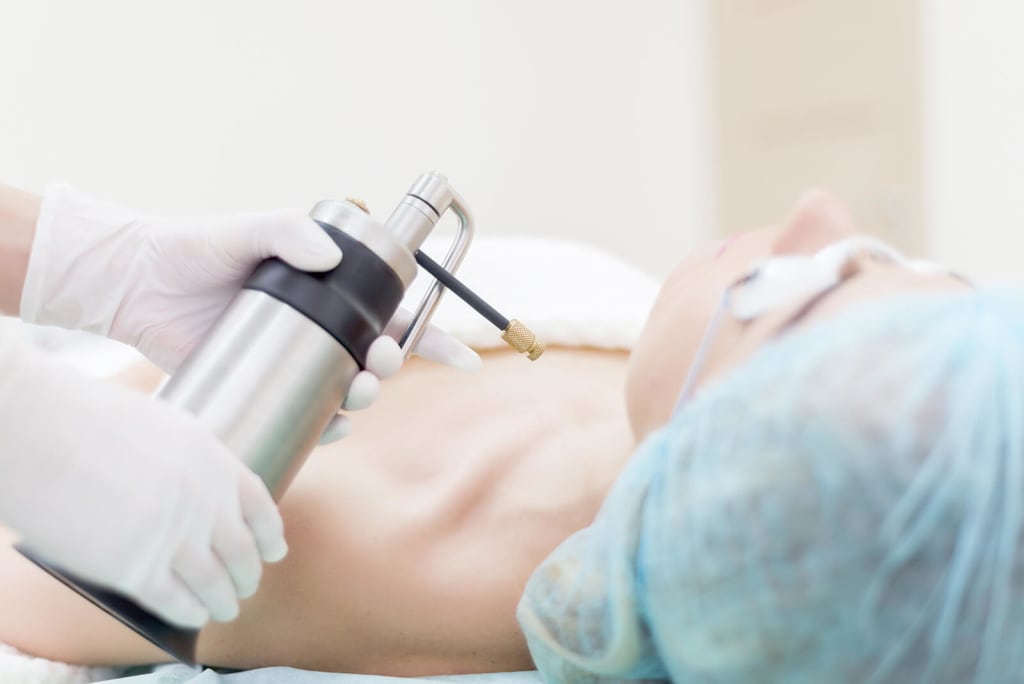
Cryotherapy involves exposing the body or specific body parts to extremely cold temperatures, typically using liquid nitrogen or specialized devices. The objective is to stimulate the body's natural healing processes, reduce inflammation, and potentially promote tissue regeneration. Cryotherapy has been used in various medical fields, including dermatology, sports medicine, and pain management.
Cryotherapy and Loss of Smell:
Recent studies have shown promise for cryotherapy as a potential treatment for individuals experiencing long-term loss of smell due to COVID-19. It is believed that the freezing temperatures delivered during cryotherapy can potentially stimulate the regrowth of olfactory receptors, which are responsible for detecting odors in the nose.
How Cryotherapy Works:
Targeted Application: Cryotherapy can be applied in different ways to target the nasal cavity specifically. One method involves using a specialized cryotherapy device that delivers controlled bursts of cold air into the nostrils, targeting the olfactory receptors directly. Another approach is intra-nasal cooling, where a cold probe or catheter is inserted into the nasal cavity to deliver precise and localized cooling.
Cold Temperature Exposure: Cryotherapy treatments typically involve exposing the nasal cavity to temperatures ranging from -30°C to -80°C (-22°F to -112°F). The extreme cold temperature temporarily numbs the nerves and constricts blood vessels in the nasal tissue, potentially reducing inflammation and promoting healing.
Stimulation of Olfactory Receptors: The theory behind cryotherapy for loss of smell is that the intense cold exposure may activate dormant or damaged olfactory receptors, prompting their regeneration. By stimulating these receptors, cryotherapy aims to restore the individual's ability to detect and perceive odors.
Current Research and Findings:
Although cryotherapy shows promise, it is important to note that research in this area is still limited, and further studies are needed to validate its effectiveness as a treatment for loss of smell from COVID-19. However, initial findings have been encouraging:
Case Studies: Several case studies have reported positive outcomes, with some individuals experiencing partial or complete recovery of their sense of smell following cryotherapy treatments. These findings suggest the potential benefits of cryotherapy in addressing anosmia.
Ongoing Clinical Trials: Researchers are currently conducting clinical trials to investigate the efficacy and safety of cryotherapy for loss of smell. These studies aim to provide more comprehensive data and insights into the potential of cryotherapy as a treatment option.
Considerations and Precautions:
While cryotherapy holds promise, it is crucial to approach it with caution and under the guidance of medical professionals. Some considerations include:
Safety and Expertise: Cryotherapy treatments should only be administered by trained professionals who are knowledgeable about the procedure's protocols and potential risks.
Individual Variability: The effectiveness of cryotherapy may vary from person to person, and not all individuals may experience the same degree of improvement in their sense of smell.
Timing of Treatment: The optimal timing and frequency of cryotherapy sessions, as well as the duration of treatment, are still being explored. Further research is necessary to determine the most effective treatment protocols.
Multimodal Approach: Cryotherapy may be more effective when used in combination with other therapies or rehabilitation techniques, such as smell training, to maximize the chances of olfactory recovery.
Conclusion:
Cryotherapy holds promise as a potential treatment for loss of smell resulting from COVID-19. By exposing the nasal cavity to extreme cold temperatures, cryotherapy aims to stimulate olfactory receptor regeneration and restore the sense of smell. While early findings are encouraging, further research is needed to establish cryotherapy's efficacy, optimal treatment protocols, and long-term outcomes. Individuals considering cryotherapy should consult with healthcare professionals who can provide guidance based on their specific condition. As scientific understanding continues to evolve, cryotherapy may offer new possibilities in the management of long-term loss of smell, providing hope for those affected by this COVID-19-related symptom.
About the Creator
Abdurrahman Yusuf Kalayal
I'm Yusuf, 32 years old. I graduated from Akdeniz University, Department of Medicine in 2017. I have been serving in the emergency area of Alanya Training and Research Hospital for more than 7 years.I love reserching and writing.
Keep reading
More stories from Abdurrahman Yusuf Kalayal and writers in Humans and other communities.
Safeguarding Humanity in the Era of Extreme Automation
Introduction: The rapid advancement of technology, specifically in the field of automation and artificial intelligence (AI), brings with it both exciting possibilities and significant challenges. As we witness an exponential growth in automation, it becomes imperative to address the potential impact on humanity. This article explores the crucial steps we must take to protect and preserve our humanity in the context of extreme automation, ensuring a future that is both technologically advanced and human-centric.
By Abdurrahman Yusuf Kalayal3 years ago in Humans
The CEO of Everything
They say "jack of all trades, master of none," but they forgot to mention the part where the jack of all trades is also the camera woman, the makeup artist, and the person currently yelling at a tangled Wii microphone cable in a her own bathroom while recording herself singing and trying to make it look realistic and professional. (As professional as you can make it with nothing but a cell phone camera and a mic that doesn't work)
By Sara Wilson6 days ago in Humans
Rachel Reviews: The Spiral Archive by Pieter Hendrik
It's difficult for me to know where to start with a review of this book as it was, for me, an entirely unique experience and one that I'll probably never have again. I don't want that to be interpreted as unenjoyable but it has left me scratching my head a little and ruminating on its content, its themes and its characters.
By Rachel Deeming6 days ago in BookClub



Comments
There are no comments for this story
Be the first to respond and start the conversation.