
CRISPR: The Revolution in Gene Editing and Sickle Cell Disease Treatment
Advanced Gene Editing Technology Promises Cure for Genetic Diseases

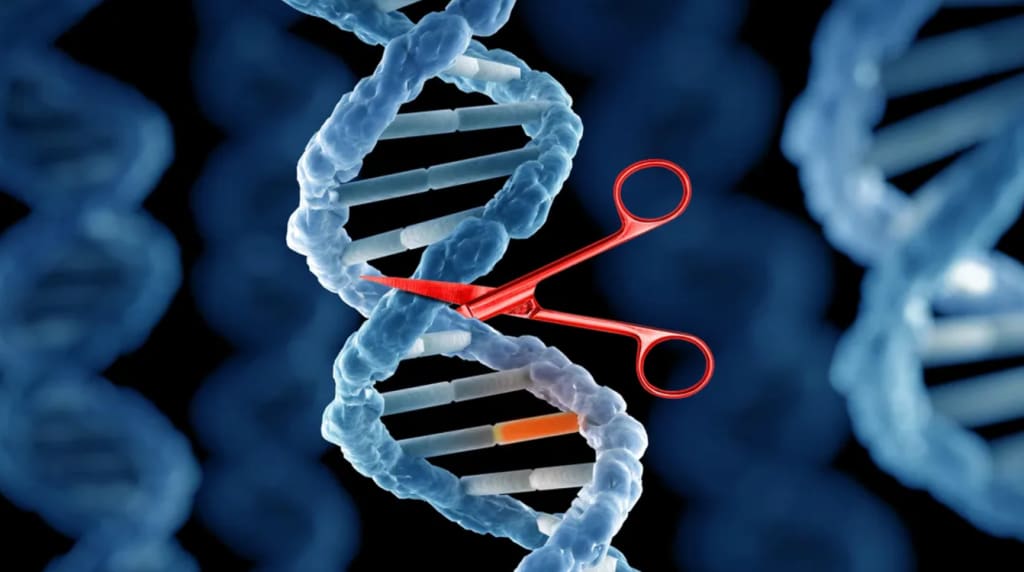
CRISPR (Clustered Regularly Interspaced Short Palindromic Repeats) technology is revolutionizing medicine and biotechnology. With its precision and efficiency, CRISPR offers new possibilities for treating genetic diseases, including sickle cell disease. Sickle cell disease is a hereditary condition that affects the shape and function of red blood cells, causing severe pain and serious health complications. Traditionally, treatments are limited to symptom management and blood transfusions. However, CRISPR offers renewed hope.
CRISPR works like "molecular scissors" that can cut DNA at specific locations, allowing the removal, addition, or alteration of genetic sequences. In the case of sickle cell disease, scientists have used CRISPR to correct the mutation responsible for the disease. Preliminary studies have shown promising results, with patients experiencing significant improvement after treatment. The process involves collecting stem cells from the patient, editing these cells with CRISPR in the lab, and then reintroducing the edited cells into the body. These modified cells have the ability to produce normal red blood cells, correcting the genetic deficiency.
Beyond sickle cell disease, CRISPR has the potential to treat a variety of other genetic conditions, such as muscular dystrophy and cystic fibrosis. However, despite the advances, the technology still faces ethical and technical challenges. The precision and safety of gene editing need to be rigorously monitored to avoid unintended side effects.
In addition to its applications in treating genetic diseases, CRISPR is also being explored for its potential in various other fields. For example, researchers are investigating the use of CRISPR to develop crops that are more resistant to diseases and environmental stresses, which could help address food security issues. Furthermore, CRISPR is being used in the study of infectious diseases, with scientists employing the technology to develop new treatments and possibly even vaccines for conditions like HIV and malaria.
CRISPR's impact extends beyond the medical field. In environmental science, it is being used to engineer organisms that can help remediate pollution and restore damaged ecosystems. The potential applications of CRISPR are vast and continually expanding, demonstrating the transformative power of this technology. However, as with any powerful tool, the use of CRISPR comes with significant ethical considerations. The potential for "designer babies," or the alteration of human embryos to select for desired traits, has sparked a global debate about the moral implications of gene editing. It is crucial to establish robust ethical guidelines and regulatory frameworks to ensure that the technology is used responsibly and equitably. Public education and engagement are essential to the responsible development and application of CRISPR. By fostering a well-informed society, we can navigate the ethical and social challenges associated with gene editing and ensure that the benefits of CRISPR are widely shared.
In summary, gene editing with CRISPR is opening new frontiers in medicine and beyond. The promise of curing genetic diseases like sickle cell disease represents a significant milestone, highlighting the transformative potential of this technology. With continued research and development, CRISPR could revolutionize how we approach genetic diseases, agriculture, environmental conservation, and more. Its potential applications range from correcting genetic disorders that have plagued families for generations to engineering crops that are resistant to drought and pests, thereby ensuring food security in the face of climate change. Moreover, CRISPR could play a pivotal role in environmental conservation efforts, such as by helping to bring endangered species back from the brink of extinction and restoring damaged ecosystems. As we move forward, it is imperative to balance the incredible opportunities CRISPR presents with careful consideration of the ethical and societal implications. This includes addressing concerns about the potential for genetic discrimination and ensuring equitable access to these groundbreaking treatments. The global community must engage in transparent discussions about the ethical use of CRISPR, establishing robust regulations to guide its application in a way that respects human rights and biodiversity. By doing so, we can harness the full potential of CRISPR to improve the quality of life for millions of people worldwide while ensuring the technology is used in a manner that is just and responsible. This means not only advancing scientific research and medical breakthroughs but also fostering a society where the benefits of CRISPR are accessible to all, thus paving the way for a healthier, more equitable future. The promise of CRISPR is immense, and with responsible stewardship, it can truly revolutionize our world.
About the Creator
Dali
Writer on current and relevant topics. Sharing insights with humor and creativity. Let's dive into the future together.
Dating Supportive Partners Encourages Growth Emotional Stability And Personal Happiness
An encouraging partner gives support, understanding, and empathy both during normal times and difficult times. By being there, they give people a chance to achieve individual desires and they feel important and confirmed. Positive partners encourage self-esteem, strengthening strengths, and motivation to improve themselves, which eventually leads to self growth.
By Mark Hipster7 days ago in Humans




Comments
There are no comments for this story
Be the first to respond and start the conversation.