
COVID-19 Is Quietly Rising Again in Hawaii: What You Need to Know This Summer
With cases climbing and new variants detected, Hawaii’s health officials urge residents and tourists to take mindful precautions—especially indoors.
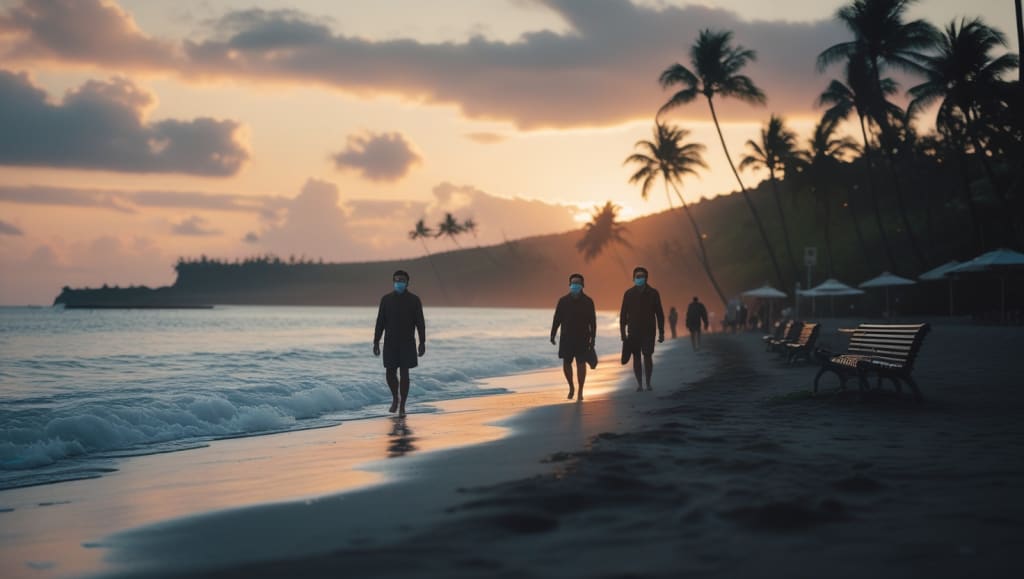
A Familiar Warning Returns to Paradise
Hawaii is renowned for its gorgeous beaches, volcanic landscape, and kind aloha attitude. This summer, though, a calm yet disturbing scenario is developing throughout the islands. The COVID19 virus, which a few years ago produced worldwide disturbance, is gradually reappearing.
The Hawaii Department of Health (DOH) has seen a consistent rise in COVID19 cases over the past several weeks. Though the present statistics are significantly lower than those recorded in 2020–2021, they are high enough to call for public health advisories—particularly given the daily influx of summer tourists.
What is driving this increase? Even more crucially, what reactions should local residents and visitors take?
Why Cases Are Rising Again
According to Department of Health reports and hospital statistics, the recent surge is related with two main causes: more travel and the appearance of fresh variations.
Many tourists arrive in Hawaii during the summer, and as limitations have lifted, people are finding more comfort in a "post pandemic" environment. Many are therefore taking vacations without masks or testing, with little consideration to the possibility of transmitting the disease.
Moreover, the new Omicron subvariants are expanding more swiftly than previous iterations. Although these subvariants might not be more deadly, they are quite contagious and can avoid immunity especially in those who haven't had a booster injection in over six months.
Although at this point the Department of Health is not sending out any immediate alerts, they are encouraging everyone to be informed, ready, and proactive.
What the DOH Is Advising
Hawaii’s health department hasn’t reinstated mandates—but they’re pushing for common-sense precautions:
- Wear masks indoors, especially in crowded or poorly ventilated areas. You don’t need to wear a mask at the beach, but indoors at a busy luau or shopping center? It’s a smart move.
- Stay home if you're sick. Even if symptoms feel like a mild cold, they could still be COVID—and spreading it to someone immunocompromised could be dangerous.
- Get tested. Free testing options are still available in many parts of the islands. Rapid antigen tests are a good first step, especially before attending large gatherings.
- Get up to date on your COVID-19 vaccine or booster. Many people haven’t gotten the most recent booster. While it doesn’t guarantee immunity, it significantly reduces the risk of severe illness.
- Practice good hand hygiene and keep sanitizer handy. It might seem basic, but it’s still one of the most effective ways to prevent viral spread.
The Tourist Factor: What Visitors Should Understand
Hawaii’s economy depends heavily on tourism, and officials aren’t discouraging travel. But they are asking visitors to respect the health and safety of local communities.
During the pandemic, many Hawaiian residents felt the weight of an overwhelmed healthcare system. With fewer hospitals and resources compared to the mainland, even a modest spike in COVID-related hospitalizations can become serious.
If you’re planning a trip to Oahu, Maui, Kauai, or the Big Island this summer, here are a few traveler-specific tips:
- Pack a few KN95 masks in case you’re in an indoor crowd or want extra protection on a flight.
- Bring home testing kits, just in case symptoms arise.
- Monitor local news for updates on case counts or recommendations.
- Be kind and patient with service workers. Many are still wearing masks for protection, and staffing shortages remain common in some sectors.
Local Impact: What Residents Are Feeling
Many locals aren’t surprised by the summer spike. “It’s the same pattern every year now,” says Malia, a schoolteacher in Hilo. “The tourists come, families visit, and cases go up. We just try to stay smart about it.”
Health workers across Hawaii are quietly bracing. While vaccination rates in the state remain among the highest in the country, immunity from earlier shots continues to wane, and hospitals remain cautious about potential surges.
One nurse at Queen’s Medical Center in Honolulu shared anonymously: “We’re not panicking, but we’re watching. What worries me is how fast people forgot how bad it used to be.”
The Bigger Picture: COVID Isn’t Gone—It’s Just Different
Though we are not presently experiencing a worldwide health crisis, COVID19 persists; it has just found its way into our daily existence. Like seasonal influenza, it should have successive waves, new varieties, and groups more vulnerable yearly.
Still, unlike the first phase of the epidemic, we have access to important resources now: vaccinations, better treatments, and more understanding of the behavior of the virus.
Still, apathy poses the actual danger right now. Though we may be bored of talking about COVID, it still has not stopped spreading.
Final Thoughts: Living Mindfully in a Post-Pandemic World
Hawaii continues to be as stunning and inviting as always. The strength of its people shines through, the sunsets glow with golden hues, and the culture of care—malama—thrives. However, showing care for one another has taken on new meaning: it now involves being mindful before coughing in public, getting tested prior to visiting elderly family members, and being adaptable when surprises arise.
As you wade into the soothing waters of Hawaii this summer or delight in a shave ice beneath the swaying palm trees, keep in mind: taking some precautions greatly helps in safeguarding the paradise we all love.
Stay aware. Stay compassionate. And of course—enjoy island life, responsibly.
About the Creator
Keep reading
More stories from Shahjahan Kabir Khan and writers in Humans and other communities.
How One Neurology Book Changed the Way I Understand the Human Mind
Reading “The Man Who Mistook His Wife for a Hat” Made Me Question What It Means to Be a Person I picked up The Man Who Mistook His Wife for a Hat thinking it would just be one of those clever science books. You know, the kind that explains how the brain works and throws in a few strange cases. I wasn’t really prepared for how weirdly emotional it would feel. Not in a dramatic way. More like the kind of feeling that sits with you quietly while you’re reading.
By Rosalina Jane2 days ago in Humans


Comments
There are no comments for this story
Be the first to respond and start the conversation.