

So … what is COVID-19? And what’s
The term "coronavirus" actually refers to a family
of viruses that causes many different types of
diseases, including the common cold. COVID-19 is
a "novel coronavirus," which means it’s a new
disease unfamiliar to scientists and doctors.
"corona" (CO); corona means "crown" in Latin
(coronaviruses are named for the crown-like
spikes on their surface), "virus" (VI), and "disease"
(D). The "19" comes from the year 2019, when the
disease was first detected.
How did COVID-19 start?
Some diseases start in animals before spreading
to humans—these types of diseases are called
zoonotic. Cows, bats, and camels are among the
animals that have spread diseases to humans in
the past. The COVID-19 disease is also zoonotic,
with the first cases popping up in December 2019
in Wuhan, China. The affected humans were all
connected to a nearby market where live animals
were sold, and where experts think the disease
got its start.
How does someone catch COVID-19?
COVID-19 can be transmitted* by little droplets
from coughs or sneezes, which is why doctors say
you should always cover your mouth with your
elbow when you cough or sneeze. You could also
pick it up by touching doorknobs or countertops
that an infected person has touched, and then
touching your eyes, nose, or mouth
Key facts
COVID-19 is a disease caused by a virus. The most common symptoms are fever, chills, and sore throat, but there are a range of others.
Most people make a full recovery without needing hospital treatment. People with severe symptoms should seek medical care as soon as possible.
Over 760 million cases and 6.9 million deaths have been recorded worldwide since December 2019, but the actual number is thought to be higher.
Over 13 billion vaccine doses have been administered as of June 2023.

Will it go away?
Researchers hope that as weather gets warmer
this summer, the number of COVID-19 cases will
start to go down, just as similar diseases have
done in the past. But since the disease is new and
they don’t know a lot about it, they’re not sure
this will happen. But they have figured out a
vaccine for this virus so if you want to help them
the n put on the vaccine.
Most people infected with the virus will experience mild to moderate respiratory illness and recover without requiring special treatment. However, some will become seriously ill and require medical attention. Older people and those with underlying medical conditions like cardiovascular disease, diabetes, chronic respiratory disease, or cancer are more likely to develop serious illness. Anyone can get sick with COVID-19 and become seriously ill or die at any age.
The best way to prevent and slow down transmission is to be well informed about the disease and how the virus spreads. Protect yourself and others from infection by staying at least 1 metre apart from others, wearing a properly fitted mask, and washing your hands or using an alcohol-based rub frequently. Get vaccinated when it’s your turn and follow local guidance.
The virus can spread from an infected person’s mouth or nose in small liquid particles when they cough, sneeze, speak, sing or breathe. These particles range from larger respiratory droplets to smaller aerosols. It is important to practice respiratory etiquette, for example by coughing into a flexed elbow, and to stay home and self-isolate until you recover if you feel unwell.
Overview
COVID-19 is the disease caused by the SARS-CoV-2 coronavirus. It usually spreads between people in close contact.
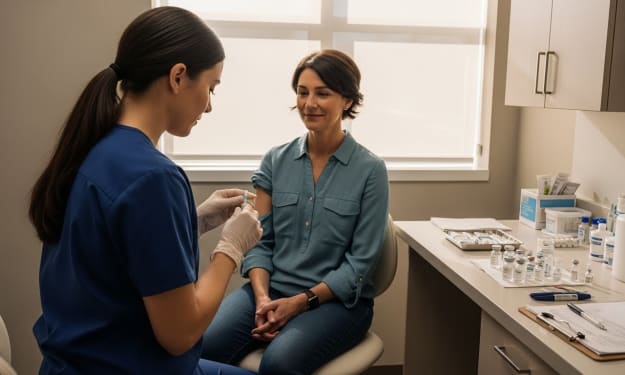
COVID-19 vaccines provide strong protection against severe illness and death. Although a person can still get COVID-19 after vaccination, they are more likely to have mild or no symptoms.
Anyone can get sick with COVID-19 and become seriously ill or die, but most people will recover without treatment.
People over age 60 and those with existing medical conditions have a higher risk of getting seriously ill. These conditions include high blood pressure, diabetes, obesity, immunosuppression including HIV, cancer and pregnancy. Unvaccinated people also have a higher risk of severe symptoms.
About the Creator
How to Succeed at the Benson Directory®
Congratulations and welcome to the Benson Directory® employee #22391! As our newest call handler, you will have the privilege of speaking with dozens of unique and interesting people on a daily basis as well as the opportunity to earn bonuses for high performance. Contained within this handbook you will find a set of ease to follow instructions designed to help you settle in to your new role and begin paving the way to success.
By S. A. Crawford3 days ago in Fiction



Comments
There are no comments for this story
Be the first to respond and start the conversation.