

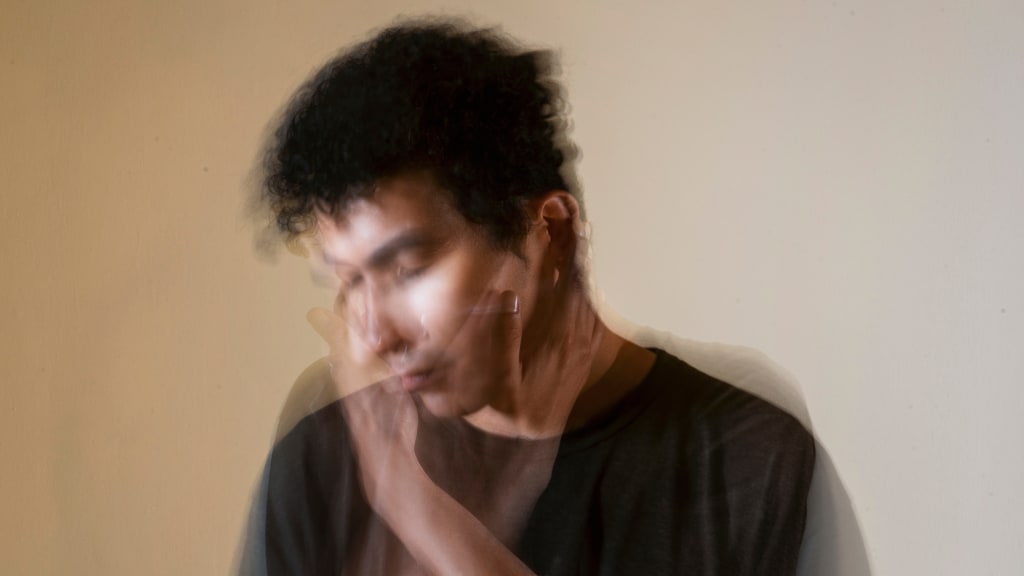
Anxiety is a common mental health condition that affects millions of people worldwide. It can manifest as feelings of worry, fear, and unease, and may interfere with daily life. While seeking professional help is essential for managing anxiety, there are also effective techniques for stress reduction that individuals can practice on their own. In this article, we will explore various coping strategies for anxiety and provide real-life examples of individuals who have successfully incorporated these techniques into their lives, experiencing relief and improved well-being.
Deep Breathing Exercises:
Deep breathing exercises are simple yet powerful techniques for reducing anxiety and promoting relaxation. By focusing on deep, slow breaths, you can activate the body's relaxation response, calming the nervous system. Real-life example: Sarah, who often experienced panic attacks, started practicing deep breathing exercises whenever she felt anxious. By taking slow, deep breaths and focusing on her breath, she found relief from her anxiety symptoms and felt more grounded.
Mindfulness and Meditation:
Mindfulness and meditation involve bringing your attention to the present moment, without judgment. These practices help cultivate a sense of calm and reduce anxiety by redirecting your focus away from anxious thoughts. Real-life example: John, who struggled with generalized anxiety disorder, started a daily meditation practice. By dedicating a few minutes each day to mindfulness meditation, he noticed a significant reduction in his overall anxiety levels and an improved ability to manage stress.
Regular Exercise:
Physical exercise has been shown to have numerous benefits for mental health, including reducing anxiety symptoms. Engaging in regular exercise releases endorphins, the brain's natural mood boosters, and helps alleviate stress. Real-life example: Emma, who experienced chronic anxiety, started incorporating regular exercise into her routine. Whether it was jogging, yoga, or dancing, she found that physical activity provided an outlet for her anxious energy and significantly reduced her anxiety levels.
Journaling and Expressive Writing:
Writing can be a therapeutic outlet for anxiety. Keeping a journal allows you to express your thoughts and emotions, providing a sense of release and clarity. Real-life example: James, who struggled with social anxiety, started journaling about his fears and worries. Through this process, he gained insight into his thought patterns and developed a greater sense of self-awareness, which helped him confront and overcome his anxiety.
Social Support:
Seeking support from loved ones or joining support groups can be immensely helpful for managing anxiety. Talking to someone you trust about your feelings and experiences can provide validation, comfort, and new perspectives. Real-life example: Lisa, who dealt with anxiety related to her work, reached out to a support group for individuals in similar situations. Connecting with others who understood her struggles provided a sense of belonging and support, reducing her anxiety levels.
Self-Care and Stress Management:
Engaging in self-care activities and implementing stress management techniques are essential for coping with anxiety. This may include practicing relaxation techniques, setting boundaries, prioritizing restful sleep, and engaging in hobbies or activities that bring joy and relaxation. Real-life example: Mark, who experienced anxiety related to work and personal life, started prioritizing self-care activities. He set aside time each day for activities he enjoyed, such as reading, taking walks in nature, and practicing self-compassion. These actions helped him manage stress and alleviate anxiety symptoms.
Coping with anxiety requires a multi-faceted approach, and these techniques for stress reduction can be valuable tools in managing anxiety symptoms. By incorporating deep breathing exercises, mindfulness and meditation, regular exercise, journaling, seeking social support, and practicing self-care, individuals can develop effective strategies for coping with anxiety. Real-life examples demonstrate how these techniques have been successfully implemented, leading to improved well-being and a better quality of life. Remember, if anxiety persists or worsens, seeking professional help is crucial.
About the Creator
Nesou
📓🌌✨ Dive into poetry, stories, and thoughts. 📚✍️ Unveil the universe's mysteries through words. 🌌✒️ Share emotions, experiences, and magic. ✨🖋️ Explore a boundless world of expression. 🌟📝
Send Me Tips🍀,insights and❤️if you'd like😍✨
A Historic Declaration
We the People of the Husbands of the United States of America, in Order to form a more perfect Union, and I mean you...with me...establish Justice, insure domestic Tranquility, provide for the common defence, promote the general Welfare, and secure the Blessings of Liberty to ourselves, after Puberty, do ordain and establish this Declaration of Co-Dependence.
By Gerard DiLeo4 days ago in Humans
Falling Between Every System
Modern social systems are often described as safety nets. Employment law protects workers. Healthcare programs provide treatment. Disability benefits replace lost income. Unemployment insurance bridges job loss. Each system is presented as a safeguard designed to catch people when life disrupts their ability to function normally. Yet for many people living with disability, chronic illness, or injury, the lived experience is the opposite. Rather than forming a net, these systems stack vertically, each with its own eligibility rules, thresholds, and assumptions. Instead of catching the fall, they create gaps. People do not slip through because they failed to try. They fall because the systems were never designed to align.
By Peter Thwing - Host of the FST Podcast3 days ago in Humans


Comments
There are no comments for this story
Be the first to respond and start the conversation.