
Concrete Crack Solutions: Expert Guide to Basement Repair and Long-Lasting Fixes
Expert Guide to Basement Repair and Long-Lasting Fixes

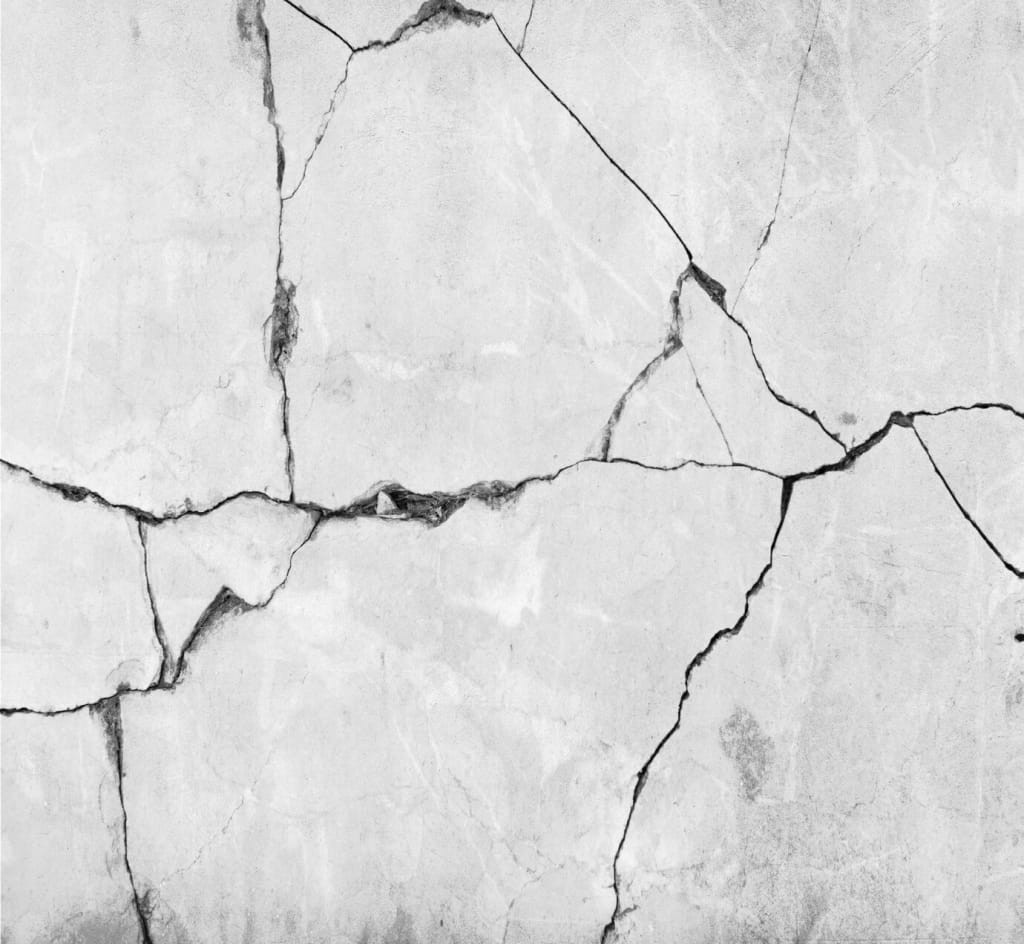
Concrete cracks are a common issue for homeowners and commercial property owners alike. Left unchecked, they can lead to severe structural damage, water infiltration, and costly repairs. Understanding the causes of these cracks and how to repair them effectively is crucial for maintaining the integrity of your property. In this expert guide, we will explore concrete crack solutions focusing on basement repair, providing valuable insights and practical advice.
Understanding the Causes of Concrete Cracks
Before diving into solutions, it's essential to understand why concrete cracks in the first place. Here are some of the most common causes:
1. Shrinkage Cracks
When concrete dries and hardens, it shrinks. If the shrinkage is uneven or excessive, cracks can form. These are usually superficial but can worsen over time.
2. Thermal Expansion and Contraction
Temperature fluctuations cause concrete to expand and contract. Over time, this movement can lead to cracks, especially in extreme weather conditions.
3. Soil Movement and Settling
If the soil beneath a concrete structure shifts due to moisture changes, poor compaction, or seismic activity, cracks can develop in response to the movement.
4. Excessive Load or Pressure
Concrete has a high compressive strength but can still crack if subjected to excessive weight, pressure, or stress beyond its designed limits.
5. Water Damage and Hydrostatic Pressure
Water infiltration is a significant contributor to basement cracks. Hydrostatic pressure builds up as water seeps into the soil around your foundation, pushing against the concrete and leading to cracks.
Effective Concrete Crack Solutions for Basement Repair
Now that we understand why cracks form, let's explore expert-recommended Concrete Crack Solutions to fix and prevent them.
1. Epoxy Injection for Structural Cracks
Epoxy injection is a highly effective repair method for cracks that compromise structural integrity. This process involves injecting a two-part epoxy resin into the crack, which hardens and restores the concrete's concrete's strength.
Benefits of Epoxy Injection:
- Bonds cracked concrete together, restoring its original strength.
- It prevents further damage by sealing the crack completely.
- Works well for both horizontal and vertical cracks.
2. Polyurethane Foam Injection for Water Leaks
Polyurethane foam injection is an excellent solution if your basement has cracks that allow water seepage. This expanding foam fills the crack and creates a waterproof barrier.
Advantages of Polyurethane Injection:
- Expands to fill voids.
- Highly flexible, allowing for minor movements without cracking.
- It is ideal for basement walls and foundation repairs.
3. Hydraulic Cement Patching for Quick Fixes
Hydraulic cement is a fast-setting material that expands as it cures, making it ideal for filling non-structural cracks and stopping water leaks.
Pros of Hydraulic Cement Repair:
- Easy to apply and set within minutes.
- Effective for stopping active leaks in basement walls.
- Affordable and widely available.
4. Carbon Fiber Reinforcement for Structural Stability
Carbon fibre reinforcement can prevent cracks caused by foundation movement or external pressure from spreading further. Carbon fibre strips or staples are applied over the crack, providing additional strength to the wall.
Why Use Carbon Fiber Reinforcement?
- Stronger than steel yet lightweight.
- It is non-invasive and does not require extensive excavation.
- Prevents cracks from widening or recurring.
5. Exterior Waterproofing to Prevent Future Cracks
One of the best ways to prevent basement cracks is by addressing external factors that cause foundation damage. Exterior waterproofing involves applying a waterproof membrane to the foundation, installing drainage systems, and ensuring proper grading around the property.
Key Features of Exterior Waterproofing:
- Keeps water away from the foundation, reducing hydrostatic pressure.
- Enhances the durability and lifespan of your basement walls.
- Minimizes the risk of mould, mildew, and moisture problems.
Preventive Measures to Avoid Concrete Cracks
While repairing cracks is essential, taking preventive steps can save you from costly repairs in the future. Here are some expert tips to keep your concrete and basement in top shape:
1. Maintain Proper Drainage
Ensure that gutters and downspouts direct water away from your foundation. Installing a French drain or sump pump can also help manage groundwater effectively.
2. Control Moisture Levels
Excess moisture in the basement can weaken concrete over time. Use dehumidifiers and vapour barriers to keep humidity levels in check.
3. Seal Concrete Surfaces
Applying a high-quality concrete sealer can protect against moisture penetration and reduce the chances of cracking.
4. Monitor Foundation Movement
Regularly inspect your basement and foundation for early signs of cracking or shifting. Address minor issues before they turn into significant problems.
5. Hire Concrete Repair Experts
Consulting with a professional concrete repair company ensures the best long-term solutions and peace of mind for severe cracks or recurring issues.
Conclusion
Concrete cracks, especially in basements, can be a serious concern if left unaddressed. You can restore and protect your property by understanding its causes and applying effective repair solutions like epoxy injection, polyurethane foam, and carbon fibre reinforcement. Additionally, preventive measures such as proper drainage, moisture control, and sealing can help keep cracks at bay.
If you have basement cracks, don't wait until they worsen. Contact a concrete repair expert to assess and fix the issue before it leads to costly damage. Investing in professional basement repair today will save you money and stress in the long run!
About the Creator
Unique Concrete Design
We are a Concrete Design & Installation Company Serving Greenville & Upstate SC. We Work with Your Ideas or Bring Our Own to Come up with Unique Solutions to Your Outdoor and Indoor Spaces.
Visit For More Details:
Keep reading
More stories from Unique Concrete Design and writers in Humans and other communities.
Outdoor Living Design: Transform Your Space into a Relaxing Retreat
Creating an outdoor living space that seamlessly blends comfort, functionality, and style can elevate your home and provide a serene escape from daily life. Whether you want to entertain guests, relax with family, or simply enjoy the beauty of nature, a well-thought-out outdoor living design can make all the difference. By incorporating key elements and personal touches, you can turn your backyard, patio, or balcony into a welcoming and stylish extension of your home.
By Unique Concrete Design11 months ago in Humans
The CEO of Everything
They say "jack of all trades, master of none," but they forgot to mention the part where the jack of all trades is also the camera woman, the makeup artist, and the person currently yelling at a tangled Wii microphone cable in a her own bathroom while recording herself singing and trying to make it look realistic and professional. (As professional as you can make it with nothing but a cell phone camera and a mic that doesn't work)
By Sara Wilson4 days ago in Humans
Bird's gift
Dino the Potter and the Golden Wheat In a small village lived a potter named Dino. Dino was a master of his craft. He could make beautiful and durable pots from clay. One day, the village’s generous landlord was so impressed by one of Dino’s pots that he gifted him a small piece of farmland.
By Sudais Zakwan7 days ago in Humans




Comments
There are no comments for this story
Be the first to respond and start the conversation.