
Cognitive science
Psychology • Cognition • Cognitive science
Introduction
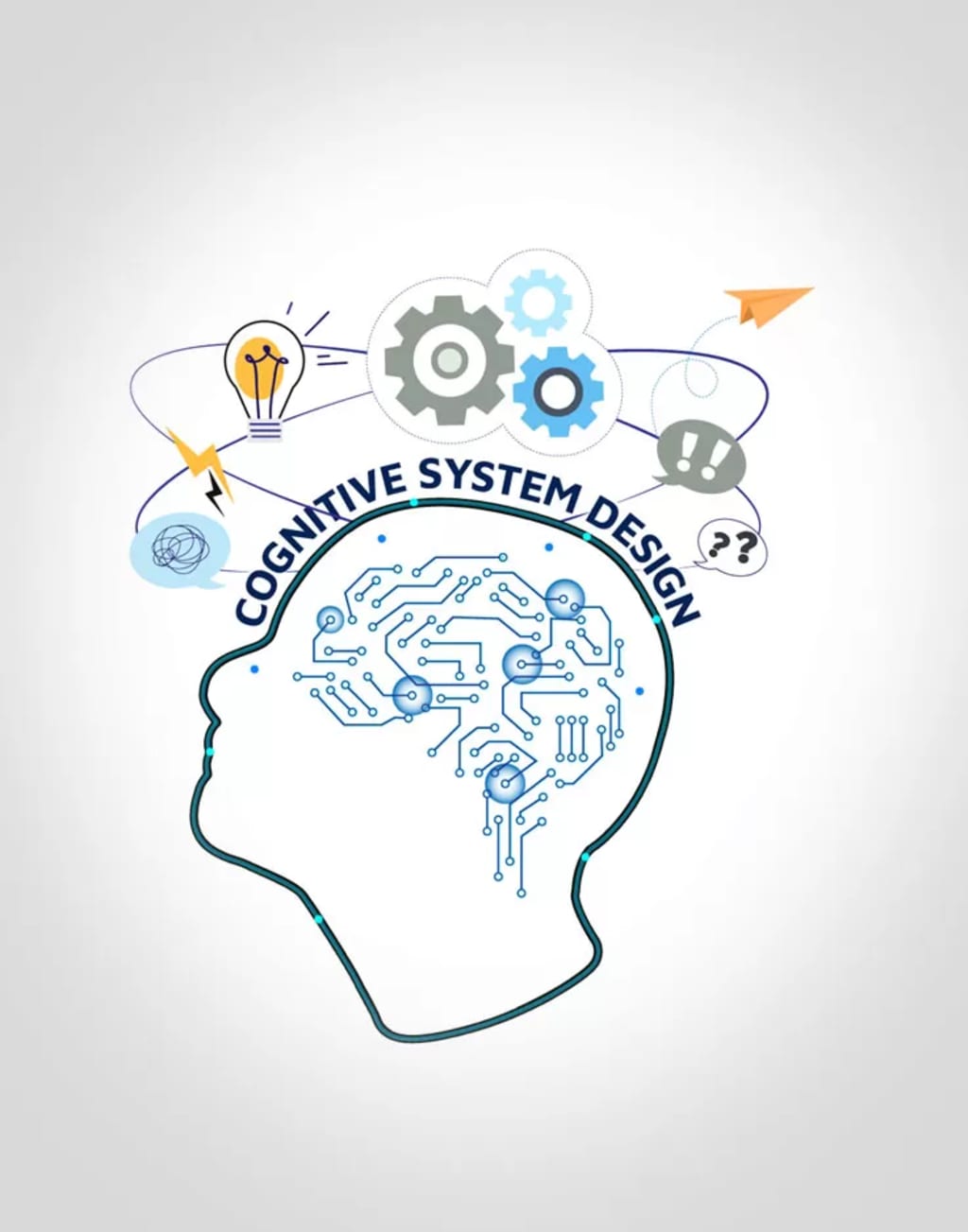
Cognitive science is an interdisciplinary field that seeks to understand the mind and intelligence by integrating insights from psychology, neuroscience, computer science, linguistics, philosophy, and anthropology. It emerged in the mid-20th century as a response to the need for a comprehensive approach to studying the processes underlying cognition. At its core, cognitive science aims to unravel the mysteries of how humans perceive, think, learn, and solve problems.
One of the key pillars of cognitive science is cognitive psychology, which investigates mental processes such as perception, memory, language, problem-solving, and decision-making.
Researchers in cognitive psychology use experimental methods to study these processes and develop models to explain the underlying mechanisms. Understanding the intricacies of cognition is essential for designing interventions to enhance learning, memory, and problem-solving skills.
Neuroscience plays a crucial role in cognitive science, providing insights into the biological basis of cognition. Cognitive neuroscience combines techniques from psychology and neuroscience to study how the brain supports mental processes. Advances in neuroimaging, such as
1. Functional magnetic resonance imaging (fMRI)
2. Electroencephalography (EEG)
have allowed researchers to explore the neural correlates of cognitive functions and gain a deeper understanding of the brain-mind relationship.
Linguistics contributes to cognitive science by examining the structure and function of language. Psycho-linguistics investigates how language is processed in the mind, covering areas like language acquisition, comprehension, and production. Cognitive scientists and linguists collaborate to explore the cognitive processes underlying the use and understanding of language, shedding light on the unique relationship between thought and language.
Philosophy, particularly philosophy of mind, addresses foundational questions about consciousness, self-awareness, and the nature of mental states. Debates in philosophy of mind have influenced the development of cognitive science, providing conceptual frameworks for understanding the mind-body problem and the nature of mental representation. Philosophical inquiry continues to shape discussions within cognitive science, offering critical perspectives on the conceptual foundations of the field.
Computer science contributes to cognitive science through the study of artificial intelligence (AI) and computational models of cognition. Cognitive scientists use computational models to simulate mental processes and test hypotheses about cognitive functioning. The fields of machine learning and robotics also draw inspiration from cognitive science, aiming to develop intelligent systems that mimic human cognitive abilities.
Anthropology adds a cultural dimension to cognitive science, exploring how cognitive processes are shaped by cultural practices and societal norms. Cultural cognition investigates how beliefs, values, and practices influence cognitive processes, highlighting the dynamic interaction between culture and cognition. This interdisciplinary approach recognizes the diversity of cognitive experiences across different societies and enriches our understanding of the universal and culturally specific aspects of cognition.
Cognitive science encompasses various sub-fields, each focusing on specific aspects of cognition. Cognitive development investigates how cognitive abilities evolve over the lifespan, from infancy to old age. Researchers in this field examine factors influencing cognitive growth and the acquisition of skills such as language and problem-solving. Cognitive anthropology explores the cognitive foundations of cultural practices, rituals, and symbolic systems, providing insights into the relationship between cognition and culture.
The study of consciousness is a central theme in cognitive science, delving into questions about the nature of subjective experience and self-awareness. Consciousness research investigates how the brain generates conscious awareness, exploring theories ranging from global workspace models to the integrated information theory of consciousness. Understanding consciousness is a complex and ongoing challenge that bridges philosophy, psychology, and neuroscience.
Cognitive science also intersects with applied fields, such as education and human-computer interaction. Educational psychologists draw on cognitive science principles to design effective learning environments and instructional strategies.
“Human-computer interaction researchers apply cognitive science insights to improve the design of user interfaces and enhance the user experience in digital technologies”
As cognitive science continues to evolve, it grapples with new challenges and explores emerging frontiers. The integration of insights from different disciplines remains a hallmark of the field, fostering collaboration and cross-pollination of ideas. Advances in technology, such as brain-computer interfaces and neurofeedback, offer new avenues for studying and manipulating cognitive processes. Ethical considerations, such as privacy concerns in neuroimaging research and the implications of AI on society, become increasingly relevant as cognitive science progresses.
Conclusion
In conclusion, cognitive science is a vibrant and interdisciplinary field that strives to understand the complexities of the human mind. By integrating perspectives from psychology, neuroscience, linguistics, philosophy, computer science, and anthropology, cognitive science provides a holistic approach to studying cognition. From the biological basis of mental processes to the cultural influences on cognition, this field continues to deepen our understanding of what it means to be cognitively human. As technology advances and interdisciplinary collaborations flourish, cognitive science stands at the forefront of unraveling the mysteries of the mind.
About the Creator
Keep reading
More stories from Krishna Priya and writers in Humans and other communities.
Psychology
Introduction Psychology is a multifaceted and dynamic field that delves into the intricate workings of the human mind and behavior. Rooted in both science and philosophy, psychology seeks to unravel the mysteries of mental processes, emotions, and actions. This discipline encompasses various branches, each focusing on different aspects of the human experience.
By Krishna Priya2 years ago in Humans
Time to change your life.
Is it even possible for you to change your life? A lot of people, more than there should be, are unhappy with their lives. But what are they doing about it? Usually nothing. People talk about how shitty their lives are and want change, but are they not taking the actions to change?
By Jen Phillipsabout 20 hours ago in Humans




Comments (1)
its excellent writing and informative content.