
Choosing the Right Sparring Gear for Your Martial Arts Discipline!
Sparring Gear

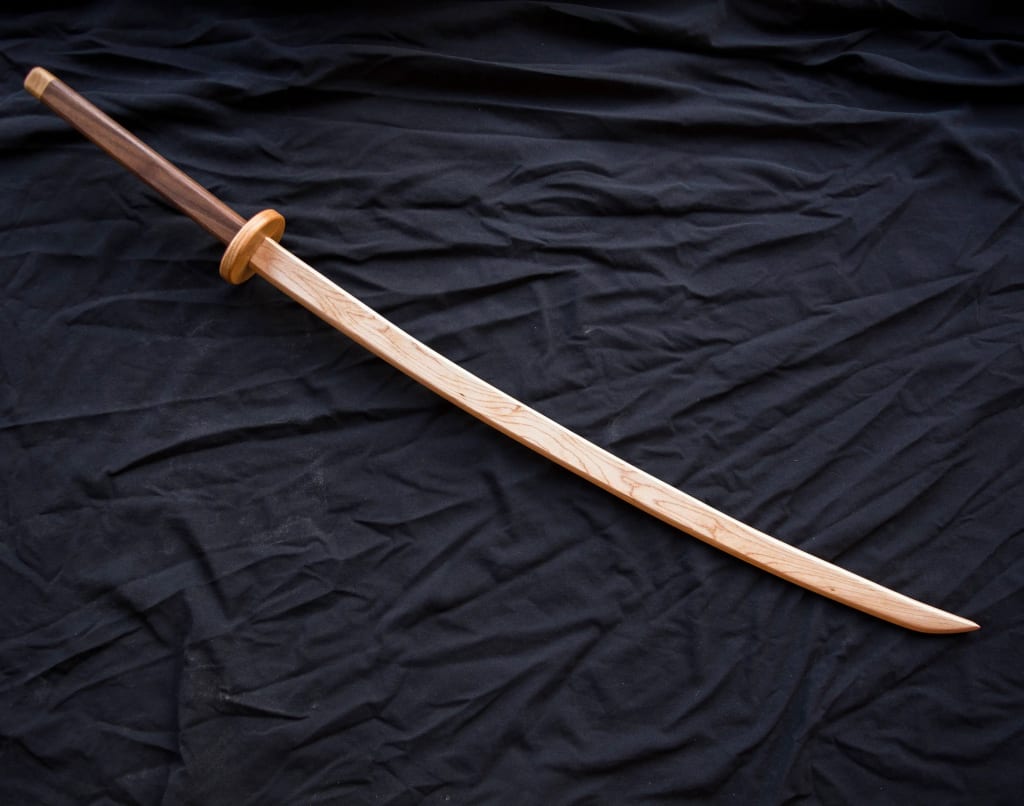
Sparring gear usually consists of a variety of protective gear intended to prevent injuries and impacts to different body parts. Headgear, mouthguards, gloves, shin guards, groin protectors, chest protectors, and foot guards are examples of common equipment. The kind and quantity of equipment required might differ greatly based on the martial arts discipline, the level of the practitioner, and the rigor of the sparring sessions.
Sparring is an essential part of martial arts training that helps practitioners hone their skills, refine their methods, and become ready for actual combat situations. Nonetheless, sparring without the appropriate safety gear can be fierce and even deadly. Selecting the appropriate sparring equipment is crucial for optimizing performance and comfort during training sessions in addition to safety concerns. This post explores the important factors to take into account when choosing the ideal sparring equipment for your particular martial arts style.
Tailoring Gear to Your Martial Arts Discipline
Because each martial art has its unique techniques and areas of emphasis, there can be differences in the protective clothing needed. Here are some particular requirements for various well-known martial arts disciplines:
Boxing
The main emphasis in boxing is on fist punches. Therefore, top-notch boxing gloves to protect hands and wrists and headgear to protect the head from concussive hits are important sparring equipment for boxers. Additionally, essential for preventing tooth injuries and concussions is a mouthguard. Groin guards are another option for boxers looking to increase safety.
Muay Thai
Thai boxing, also referred to as muay Thai uses fists, elbows, knees, and shins as weapons. Because this discipline involves so many different striking places, this sparring gear demands complete protection. Shin guards are necessary for practitioners to protect their legs during vigorous kicking routines in addition to boxing gloves. Knee and elbow protectors might also be useful. Protecting the head and face from high-impact blows requires both a mouthguard and headgear.
Brazilian Jiu-Jitsu (BJJ)
Instead of emphasizing striking, Brazilian Jiu-Jitsu concentrates on ground fights and submissions. Compared to striking disciplines, BJJ requires less equipment for sparring. To avoid dental damage during grappling, mouthguards are advised. Ear protectors are an option for some practitioners who want to avoid grapplers' common ailment, cauliflower ear. Rash guards and grappling shorts are also used to prevent skin abrasions and maintain hygiene.
Taekwondo
Kicks in taekwondo are renowned for being high and quick. Forearm, shin, and foot protectors, as well as helmets and chest protection (hogu), are necessary sparring equipment for Taekwondo practitioners. These accessories offer defense against the strong kicks that are typical of this style. During sparring gear sessions, a mouthguard is also required to prevent oral injuries.
Mixed Martial Arts (MMA)
Striking and grappling are two of the skills that are combined in mixed martial arts. Therefore, MMA sparring equipment needs to be comprehensive and multipurpose. Boxing gloves are larger and more rigid than MMA gloves; these smaller, more flexible gloves are essential for protecting hands while grappling. Additional necessities include headgear, mouthguards, shin guards, and groin pads. To avoid skin irritation, some practitioners use MMA shorts and rash guards to prevent skin abrasions and ensure flexibility.
Key Considerations for Choosing Sparring Gear
To guarantee both safety and effectiveness, it's crucial to take a few vital things into account when choosing sparring equipment for martial arts training. The correct equipment can significantly improve your training experience by offering the required protection without sacrificing comfort or agility.
Every element of your sparring equipment, from material and fit to degree of protection and breathability, is critical to how well it supports your practice. Gaining an understanding of these important factors will enable you to make well-informed decisions, improving your training and lowering your chance of injury.
Comfort and Fit
The equipment used for sparring gear ought to fit and be comfortable. Unfitting equipment can reduce performance and raise the chance of harm. Make sure the equipment you choose fits comfortably—not too tight or too loose. A personalized fit can be accomplished with the aid of adjustable straps and fasteners. To locate the most safe and comfortable alternatives, try on various brands and sizes.
Durability and Material
Sparring gear must be strong because it is frequently used extensively. Seek out equipment composed of premium materials like high-density foam, leather, and synthetic leather. These materials offer durability and protection in just the right amounts. Considerations such as strong stitching and reinforced sections are crucial because they can increase the lifespan of the gear.
Level of Protection
One important consideration is the degree of protection that sparring gear provides. Make sure the equipment for your martial arts discipline appropriately covers and shields the body's weak spots. For instance, headgear should offer enough coverage for the head and face, while chest protectors should have enough padding to cushion the impact of kicks. Verifying the gear's safety standards and certifications will help reassure you about its level of protection.
Read More: Innovative Features in Modern Martial Arts Uniforms
About the Creator
Mai Sophia
A Writer/blogger by day, a knife enthusiast and survivalist by night. I've reviewed a lot of products and have helped people make the right purchase
Keep reading
More stories from Mai Sophia and writers in Humans and other communities.
Exceptional Blades The Best Quality Swords for Discerning Collectors!
Best-quality swords are characterized by their exceptional manufacturing, high-quality components, and historical significance. High-grade metals that offer the best strength, sharpness, and durability—such as tamahagane, Damascus steel, and high-carbon steel—are used to painstakingly create these blades. The performance and aesthetic appeal of superior swords are sometimes enhanced by the use of ancient forging processes, such as folding or pattern welding.
By Mai Sophia2 years ago in Humans


Comments (1)
Thanks for sharing