
Snake Plant Care: How to Water, Light, and Fertilize Sansevieria for Maximum Growth and Longevity
A complete, step-by-step guide to keeping your snake plant healthy, thriving, and resilient all year round

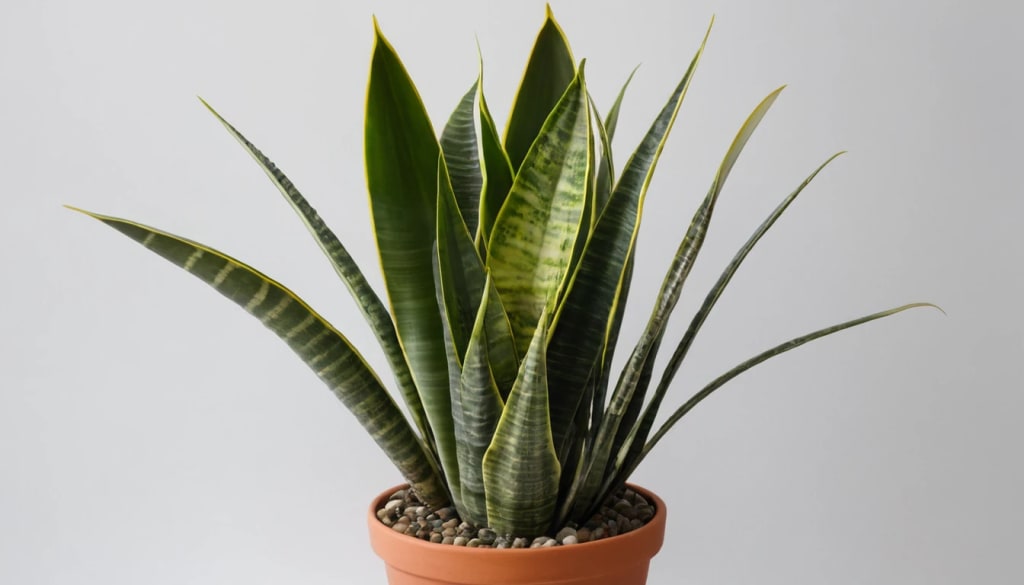
Snake plants (Sansevieria), also known as mother-in-law’s tongue, are among the most resilient and low-maintenance houseplants, making them a favorite for beginners and experienced plant enthusiasts alike. Despite their reputation for being nearly indestructible, proper care is essential to maximize their growth, longevity, and aesthetic appeal. Understanding the exact requirements for water, light, soil, fertilization, and occasional repotting will ensure your snake plant remains vibrant and healthy for years.
One of the most common mistakes when caring for snake plants is overwatering. These succulents store water in their thick leaves and are highly susceptible to root rot if left in soggy soil. The ideal watering schedule depends on the season and your environment. During the growing season (spring and summer), water your snake plant every 2–3 weeks, ensuring the soil dries out completely between waterings. In fall and winter, reduce watering to once a month or even less, as the plant’s growth slows and its water requirements decrease. To test whether your plant needs water, insert a finger 2–3 inches into the soil; if it feels dry, it’s time to water. When watering, pour evenly around the base of the plant until excess water drains from the bottom of the pot, and never let the plant sit in standing water.
Lighting is another crucial factor in snake plant care. These plants are highly adaptable and can tolerate a wide range of light conditions, from low indirect light to bright filtered sunlight. However, for optimal growth, place your snake plant in bright, indirect light. Direct sunlight for extended periods can scorch the leaves, causing brown tips or patches, while too little light slows growth and may result in pale or drooping leaves. If natural light is limited, snake plants can thrive under fluorescent or LED grow lights for 10–12 hours per day. Rotating the plant every few weeks ensures all leaves receive equal light exposure, promoting even growth.
Soil and drainage are equally important to prevent root rot. Use a well-draining potting mix designed for succulents or cacti, often a blend of regular potting soil with sand, perlite, or pumice. Choose a pot with drainage holes to allow excess water to escape and avoid moisture accumulation at the bottom. If your snake plant shows signs of yellowing or mushy leaves, it may indicate overwatering or poorly draining soil, which should be addressed immediately by repotting the plant into fresh, dry soil.
Fertilization can enhance growth and leaf color but should be done carefully. Feed your snake plant with a balanced, water-soluble fertilizer diluted to half strength once a month during the growing season. Avoid fertilizing in fall and winter, as the plant’s metabolic activity slows down and excess nutrients can accumulate in the soil, potentially damaging the roots. Organic alternatives, such as worm castings or compost tea, can also provide gentle nourishment without risk of chemical burn.
Repotting is rarely needed, as snake plants grow slowly and prefer to be slightly root-bound. Repot every 2–3 years or when roots begin to crowd the pot, causing leaf tipping or slowed growth. When repotting, gently remove the plant from its current container, shake off old soil, and trim any dead or rotten roots before placing it in fresh, well-draining soil. Choose a pot only slightly larger than the previous one to prevent excess moisture retention.
Pruning and maintenance are simple but important for a healthy snake plant. Remove dead or damaged leaves at the base using clean, sharp scissors or pruning shears. Wipe leaves with a damp cloth occasionally to remove dust and allow maximum photosynthesis. Inspect your plant regularly for pests such as spider mites or mealybugs, which can occasionally infest indoor plants. Treat infestations immediately with insecticidal soap, neem oil, or by wiping leaves with a mixture of water and mild dish soap.
Snake plants are also valued for their air-purifying qualities. They absorb toxins such as formaldehyde, xylene, and toluene from the air, making them not only attractive but also beneficial for indoor environments. Maintaining healthy leaves through proper watering, lighting, and care enhances this natural air-cleaning effect.
While snake plants are famously resilient, attention to water, light, soil, fertilization, and periodic maintenance ensures they thrive rather than just survive. By following these precise care guidelines, you can enjoy a robust, long-lived snake plant that brightens your space, improves air quality, and offers minimal fuss year-round. With patience and proper attention, your Sansevieria will reward you with striking, upright leaves, occasional blooms, and enduring vitality that can last decades.
About the Creator
Algieba
Curious observer of the world, exploring the latest ideas, trends, and stories that shape our lives. A thoughtful writer who seeks to make sense of complex topics and share insights that inform, inspire, and engage readers.
The Angry Man in Your House
"If you grow up with an angry man in your house, there will always be an angry man in your house" This statement has caused plenty of controversy online, people say its a statement that blames victims while also undermining those who break traumatic cycles to form health relationships... but if I'm honest now that I'm in my 30s it makes more sense to me than ever, and I'd argue that its not just about fathers and uncles.
By S. A. Crawforda day ago in Humans
The Part of Me No One Knows
There are things you learn to bury so deep that they almost stop existing. You walk, you smile, you do what you’re supposed to do… and no one notices that inside you’re carrying a weight no one ever sees. I’ve been like that my whole life: strong on the outside, silent on the inside.
By Lydia martinez2 days ago in Humans




Comments
There are no comments for this story
Be the first to respond and start the conversation.