
Characteristics that influence the risk of Dementia, Stroke & Depression
dementia, stroke, depression

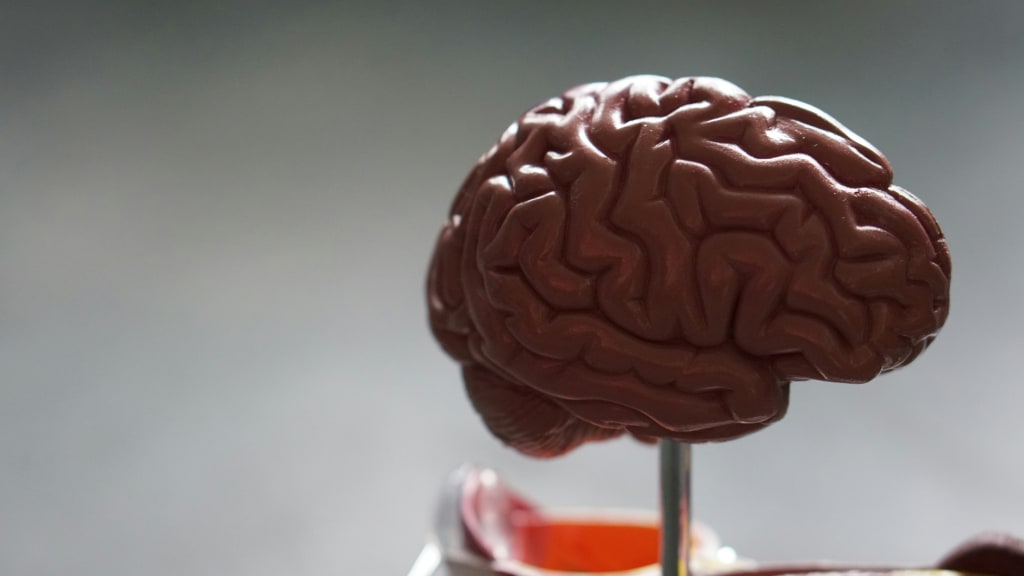
Around 55 million people worldwide suffer from dementia, and it is anticipated that this number will nearly quadruple by 2050. Stroke deaths can increase in the same year, and depression affects 10% to 20% of persons in their senior years. In spite of the startling numbers, there is growing evidence to suggest that many of these cases may not be caused by genetics but rather can be postponed or avoided by addressing health factors that are typically within our control. The risk factors for dementia stroke and depression in later life have been determined by numerous studies.
By addressing the factors people’s risk for all three diseases can be reduced. Indicators such as blood pressure body mass index kidney disease blood sugar and others are all significant but not in any specific order. Total cholesterol, alcohol consumption, diet, hearing loss, anxiety, exercise, life's purpose, sleeping, smoking, social interaction, stress, leisurely cognitive activities, and symptoms of depression are also important.

Risk is also influenced by gender and race. According to research, dementia is more common among African Americans, American Indians, and Alaska Natives, and risk factors may vary for men and women. Scientists are looking into the reasons for these differences. However, people do have some control over their behavior and way of life, which can affect how likely they are to get certain diseases. For instance, high blood pressure is one of the main risk factors for heart disease. A person's risk of heart disease and heart attack can be decreased by lowering blood pressure with medication or lifestyle modifications.
To find the risk factors that may prevent a condition or illness, researchers first conduct observational studies to establish correlations. After that, they conduct clinical trials under close supervision. For instance, after finding a link between high blood pressure and heart attacks, researchers conducted clinical trials to confirm that reducing blood pressure would, in fact, reduce the risk of experiencing a heart attack.
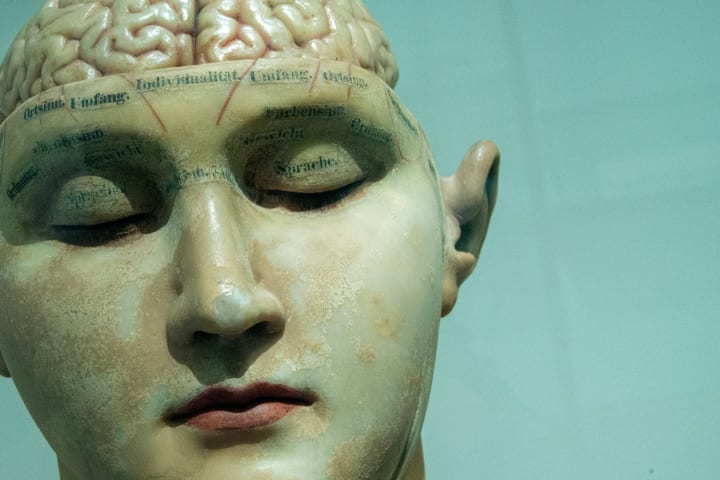
Here’s how you can address what experts said are some of the most important determinants of dementia, stroke and depression.
Lowering high blood pressure: Reduced blood flow to the brain due to high blood pressure is directly linked to stroke and dementia, but it is also linked to depression because it lowers neurotransmitters in the brain. Specialists say that to treat high blood pressure, a doctor, a home device, or a pharmacy machine can check your blood pressure. Getting enough potassium and reducing your salt intake are important ways to lower blood pressure, in addition to exercising, losing weight, managing stress, and consulting a sleep specialist if you have sleep apnea. A physician can assess if you also require medicine.
Stop smoking: You can immediately stop smoking by identifying your triggers, learning from relapses, utilizing helplines and apps, and speaking with doctors who can assist you in developing a treatment plan.
Improve your fitness: The World Health Organization (WHO) has recommendations based on your age for the type, frequency, and duration of physical activity that is best for you.
Get enough sleep: Seniors should get at least seven hours of sleep each night. Getting a good night's sleep can be aided by following a bedtime routine, avoiding alcohol and caffeine in the hours before bed, and keeping your room cool, quiet, and dark.
Regulate your blood sugar: Exercise, maintaining a healthy weight, and eating a diet low in refined carbohydrates and added sugars can also help maintain healthy blood sugar levels.
Beware of goods that promise to prevent dementia and enhance brain health, even though you may see commercials or internet ads for them. As of right now, there isn't a product that can effectively prevent or treat dementias. Consult your doctor before using any new supplements or medications.
About the Creator
FARZANA ASHRAF
I am an article writer who crafts engaging, original content that captivates readers. With a flair for storytelling and a passion for words, I bring fresh perspectives to every topic, making ideas come alive with clarity and imagination.
Keep reading
More stories from writers in Humans and other communities.
Whiskey At Dusk
Guess the whiskey was more important to you in the end, wasn’t it? It was more than the well-being of your friends; more vital than showing up to the places you promised you would and could come to; more critical of a matter than fulfilling your damn responsibilities and getting the press off your back.
By Snarky Lisaa day ago in Humans
The Sound of Rain
The first thing I noticed was the sound. Not the gentle, polite drizzle that whispers against windows, but a persistent, almost stubborn rainfall that seemed determined to be heard. It filled the room with its insistent rhythm, a sound both familiar and strange, as if it were trying to tell me something I had long forgotten. I sat on the edge of my bed, laptop abandoned on my knees, and let it wash over me.
By Salman Writes5 days ago in Humans



Comments
There are no comments for this story
Be the first to respond and start the conversation.