
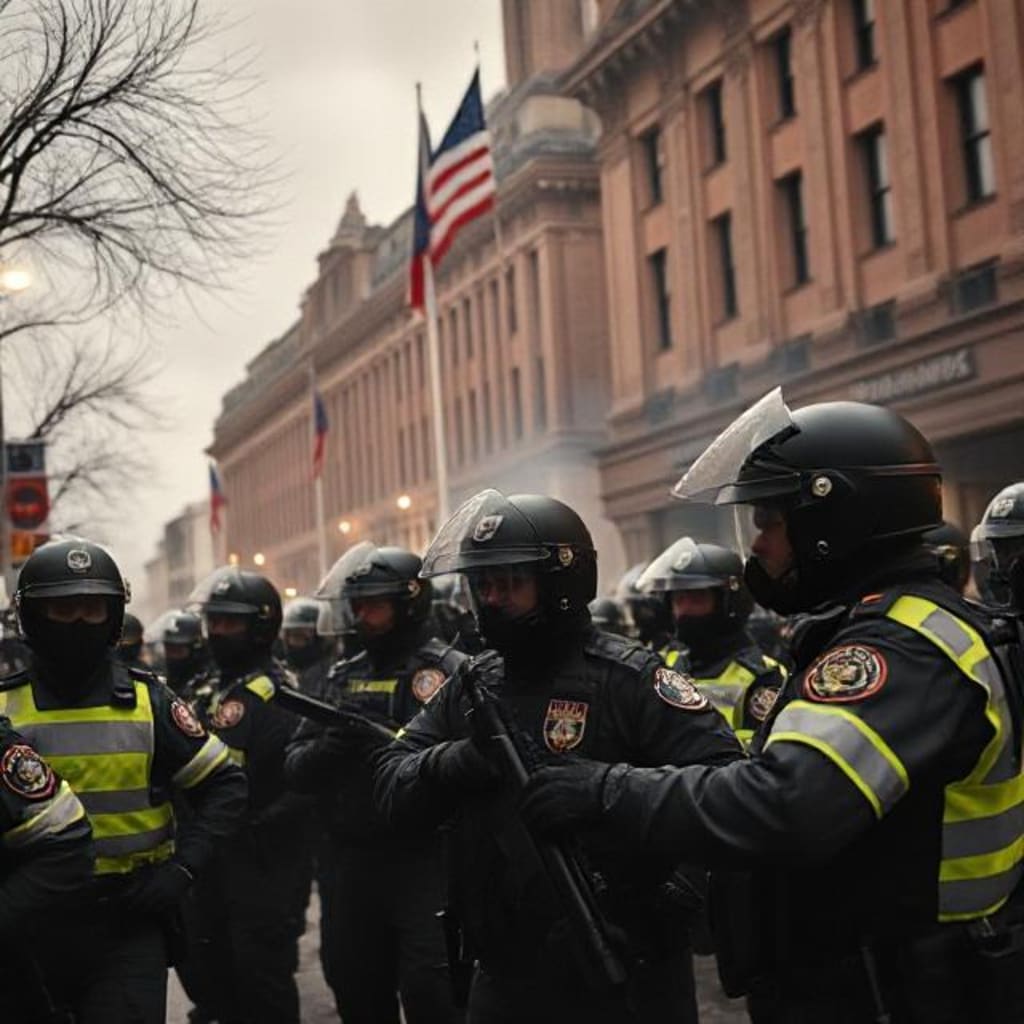
In the heart of every society lies a delicate balance between freedom and control. The air we breathe, the words we speak, and the thoughts we share are all part of a complex ecosystem that thrives on the exchange of ideas. Yet, beneath this veneer of openness, there is a shadowy force that often goes unnoticed—censorship. It is a tool that has been wielded by governments, institutions, and even individuals to shape the narrative, control the flow of information, and, ultimately, mold the minds of the masses.
Censorship is not a new phenomenon. From the ancient empires of Rome and China to the modern digital age, the act of suppressing or controlling information has been a constant in human history. However, the methods and the reach of censorship have evolved dramatically. In the 21st century, the tools of censorship are more sophisticated, and the impact is more profound than ever before.
To understand the modern landscape of censorship, we must first look to its roots. The history of censorship is as old as the history of communication itself. In ancient Greece, the philosopher Socrates was put to death for his unorthodox teachings, which challenged the status quo and threatened the power of the ruling elite. In medieval Europe, the Catholic Church burned books and executed heretics to maintain its grip on the hearts and minds of the people. The Spanish Inquisition, the Salem Witch Trials, and the countless other instances of persecution are all testaments to the lengths to which societies will go to control the flow of information.
The 20th century saw the rise of totalitarian regimes that used censorship as a tool of oppression. The Soviet Union, Nazi Germany, and Maoist China are just a few examples of governments that systematically suppressed dissent, controlled the media, and erased entire segments of history. The methods were brutal and the consequences were dire. Yet, even in the so-called free world, censorship was not absent.
The advent of the internet was once hailed as the great equalizer, a platform where anyone could share their ideas and connect with others around the world. However, the digital age has also brought about new forms of censorship. Governments and corporations now have unprecedented tools to monitor, control, and manipulate information. From the Great Firewall of China to the content moderation policies of social media giants like Facebook and Twitter, the digital landscape is a complex web of censorship and control.
The rise of algorithmic censorship is particularly concerning. Algorithms, which are often opaque and unaccountable, can shape what we see and what we don't see online. They can amplify certain voices while silencing others, often without our knowledge or consent. The result is a distorted information environment where truth is increasingly difficult to discern.
Censorship has far-reaching consequences that extend beyond the immediate suppression of ideas. It can stifle creativity, discourage critical thinking, and erode the foundations of a free society. When people are afraid to speak their minds, innovation suffers, and progress is hindered. The arts, literature, and science—all fields that thrive on the free exchange of ideas—are particularly vulnerable to the effects of censorship.
Moreover, censorship can have a chilling effect on society, creating a culture of fear and self-censorship. When individuals are afraid to express their thoughts, they may internalize the values and beliefs of the censors, leading to a homogenization of thought. This can have a profound impact on the diversity of ideas and the richness of cultural expression.
Despite the challenges, there are those who continue to fight against censorship. Journalists, activists, and ordinary citizens are using the very tools of the digital age to challenge the status quo and bring attention to issues that are often ignored or suppressed. From the Arab Spring to the Black Lives Matter movement, the power of collective action and the spread of information have shown that censorship can be overcome.
However, the fight for free expression is an ongoing struggle. It requires vigilance, courage, and a commitment to the principles of transparency and accountability. It also requires a rethinking of the systems and structures that enable censorship to thrive. Whether it is through legal reforms, technological innovations, or grassroots movements, the path forward is not easy, but it is essential.
As we look to the future, the challenges of censorship are likely to become more complex. The rise of artificial intelligence, the increasing centralization of data, and the growing power of tech giants all pose new threats to free expression. However, they also offer new opportunities for resistance and innovation.
The key to navigating this landscape is to remain informed, engaged, and proactive. It is to recognize that the fight for free expression is not just a matter of individual rights, but a collective responsibility. It is to understand that the words we speak, the ideas we share, and the stories we tell have the power to shape the world around us.
In the end, the true power of censorship lies not in the act of silencing, but in the fear of being silenced. It is the fear that keeps people from speaking out, from challenging the status quo, and from pursuing the truth. But it is also the fear that can be overcome. The power of the unspoken is a reminder that even in the darkest of times, there is always a glimmer of hope. It is a reminder that the human spirit is resilient, and that the quest for free expression is a fundamental part of what it means to be human.
About the Creator
ANDY
I am the author of the book "Ways to Cultivate a Life of Meaning".
A Historic Declaration
We the People of the Husbands of the United States of America, in Order to form a more perfect Union, and I mean you...with me...establish Justice, insure domestic Tranquility, provide for the common defence, promote the general Welfare, and secure the Blessings of Liberty to ourselves, after Puberty, do ordain and establish this Declaration of Co-Dependence.
By Gerard DiLeo5 days ago in Humans
Lying On a Prayer
Deepak Chopra is one of the most acclaimed spiritual gurus of our generation. While I have never followed or studied his teachings, many people, upon hearing about my psychological issues or my interest in yoga and meditation, have asked me to check out his teachings.
By Avocado Nunzella BSc (Psych) -- M.A.P 7 days ago in Humans


Comments
There are no comments for this story
Be the first to respond and start the conversation.