
Can You Lose Fat Without Losing Weight?
Unveiling the Truth Behind Body Composition
Introduction:
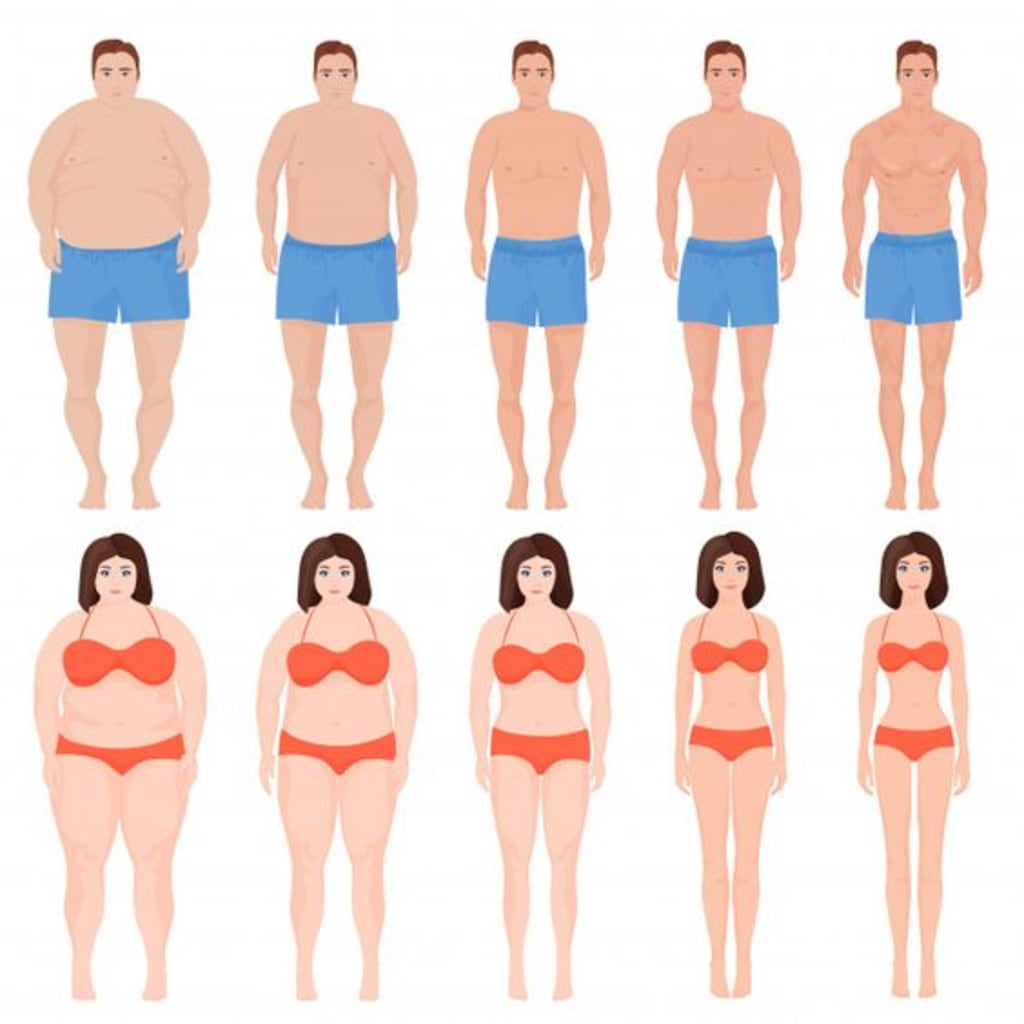
In a world where weight loss is often associated with strict diets, grueling workouts, and a constant focus on the scale, there is a common misconception that losing weight and losing fat are one and the same. However, the truth is far more complex than what meets the eye.
Weight loss, in its simplest definition, refers to a reduction in overall body weight, including water weight, muscle mass, and fat tissue. On the other hand, fat loss specifically targets the reduction of adipose tissue while preserving lean muscle mass. This raises an intriguing question: Can you lose fat without losing weight?
In this blog post, we will delve into the fascinating realm of body composition and uncover the factors that contribute to fat loss and weight maintenance. We will explore various scenarios where losing fat without seeing a significant drop on the scale is possible, as well as discuss the importance of focusing on body composition rather than solely fixating on a number.
By understanding the nuances between weight loss and fat loss, you can adopt a more balanced approach to achieving your health and fitness goals. So, let's embark on this enlightening journey together and discover the truth behind the scale!
Disclaimer: It's important to note that the information provided in this blog is for educational purposes only. Always consult a healthcare professional before making any significant changes to your diet, exercise routine, or overall lifestyle.
The Difference Between Weight Loss and Fat Loss:-
Weight Loss:
Weight loss refers to a reduction in overall body weight, including various components such as water, muscle, bone, and fat. It is important to note that not all weight loss is necessarily beneficial or sustainable in the long run.
a) Water Weight: The human body retains water, and fluctuations in water content can impact weight. Changes in water retention can occur due to factors such as diet, hydration levels, hormonal fluctuations, and certain medications. Therefore, rapid weight loss may primarily reflect water loss rather than fat loss.
b) Muscle Mass: In some weight loss scenarios, the body may break down muscle tissue for energy, leading to a loss of lean muscle mass. This can occur when individuals follow very low-calorie diets or engage in excessive aerobic exercise without incorporating strength training.
c) Fat Loss: While weight loss involves the reduction of fat, it is not the sole focus. Fat loss specifically targets the reduction of adipose tissue, which is the stored energy in the form of fat in our bodies. Losing excess fat is generally considered more desirable than losing muscle or water weight.
Fat loss, on the other hand, emphasizes reducing body fat while maintaining or even increasing lean muscle mass. This approach is often associated with a healthier body composition, improved aesthetics, and various health benefits.
a) Caloric Balance: Fat loss is achieved by creating a caloric deficit, where you consume fewer calories than your body needs for daily functions. This deficit can be achieved through a combination of a balanced diet and regular exercise.
b) Resistance Training: Incorporating resistance or strength training into your fitness routine is vital for fat loss. Building lean muscle mass not only boosts your metabolism but also helps in shaping your body as you lose fat. It's important to note that muscle weighs more than fat, so as you gain muscle and lose fat, the scale may not show a significant change.
c) Body Composition: Focusing on body composition rather than just weight is crucial. Monitoring metrics such as waist circumference, body fat percentage, and overall body shape can provide a more accurate representation of fat loss progress.
IF YOU WANT TO LOSE FAT WITHOUT LOSING WEIGHT THEN YOU MUST FOLLOWING FIVE STEPS
If you are ready to do, then lets jump to our five steps
1. The Role of Cardiovascular Exercise in Fat Loss:-
Cardiovascular exercise, commonly known as cardio, has long been associated with fat loss and is a popular choice for individuals aiming to shed excess body fat. Let's explore the role of cardio in reducing body fat and its effectiveness in achieving your fat loss goals.
->Caloric Expenditure:
Engaging in cardiovascular activities, such as running, cycling, swimming, or using cardio machines, can help create a caloric deficit, which is essential for fat loss. Cardio exercises increase your heart rate and energy expenditure, leading to the burning of calories. When combined with a healthy diet, cardio can contribute to a negative energy balance, prompting your body to tap into stored fat for fuel.
->Boosting Metabolism:
Cardiovascular exercise can boost your metabolism, both during and after the workout. Known as the "afterburn effect" or excess post-exercise oxygen consumption (EPOC), cardio workouts elevate your metabolic rate even after you've finished exercising. This means that you continue to burn calories at a higher rate during the recovery period.
->Targeting Stubborn Fat Areas:
Certain forms of cardio exercise, like high-intensity interval training (HIIT), have shown promising results in targeting stubborn fat areas. HIIT involves alternating between intense bursts of exercise and short recovery periods. This type of cardio has been found to be effective in reducing visceral fat, which is the deep abdominal fat linked to various health risks.
->Cardiovascular Health Benefits:
Engaging in regular cardiovascular exercise not only aids in fat loss but also offers numerous health benefits. Cardiovascular workouts strengthen the heart, improve blood circulation, and enhance lung capacity. Additionally, cardio exercises can reduce the risk of chronic diseases such as cardiovascular disease, type 2 diabetes, and certain cancers.
Following are some cardio exercises you can do anywhere
You can find on internet how can you do this exercises
The Power of Combining Cardio with Strength Training for Optimal Fat Loss:-
When it comes to achieving optimal fat loss and transforming your body composition, combining cardiovascular exercise with strength training is a winning strategy. Let's delve into the benefits and synergistic effects of integrating both forms of exercise into your fitness routine.
->Increased Caloric Expenditure:
Combining cardio with strength training results in a higher caloric expenditure compared to performing each type of exercise separately. Strength training helps build lean muscle mass, which boosts your basal metabolic rate (BMR)—the number of calories your body burns at rest. By incorporating cardio, you elevate your heart rate and energy expenditure, further increasing the total calories burned during your workouts.
->Preserving Lean Muscle Mass:
While losing body fat is a primary goal, it's equally important to preserve or even build lean muscle mass. Strength training stimulates muscle growth and prevents muscle loss that can occur during weight loss efforts. By combining cardio with strength training, you create an environment conducive to fat loss while preserving your hard-earned muscle.
->Enhanced Fat Burning:
Integrating strength training into your routine can improve your body's ability to burn fat during cardio workouts. Studies have shown that individuals who engage in strength training before cardio exercise experience increased fat oxidation (the process of using stored fat as fuel) compared to those who perform cardio alone. This means that combining the two forms of exercise may optimize your body's fat-burning potential.
->Improved Body Composition:
Strength training helps shape and tone your muscles, resulting in a more defined and aesthetically pleasing physique. While cardio burns calories and contributes to fat loss, strength training provides the sculpting and shaping effects that can transform your body composition. By combining the two, you can achieve a balanced and well-rounded physique.
->Overall Fitness and Health Benefits:
Incorporating both cardio and strength training into your fitness routine offers a wide range of health benefits beyond fat loss. Cardiovascular exercise improves cardiovascular health, endurance, and lung capacity, while strength training enhances bone density, joint stability, and overall functional strength. Together, they provide a comprehensive approach to improving your overall fitness and well-being.
Following are some strength training exercise
1.Bodyweight Squats
2.Push-Ups
3.Lunges
4.Plank
5.Glute Bridge
Nourishing Your Body for Effective Fat Loss: Healthy Eating Tips:-
Healthy eating plays a pivotal role in effective fat loss and improving body composition. To achieve sustainable results, it is important to adopt a balanced and nutritious diet. Creating a moderate caloric deficit is key, avoiding drastic restrictions or crash diets. Instead, focus on portion control and selecting whole, unprocessed foods rich in essential nutrients. Lean proteins should be prioritized to support muscle maintenance and growth, while complex carbohydrates like whole grains provide sustained energy. Including healthy fats in moderation, such as avocados and nuts, is important for overall health. Hydration is also crucial, as it aids in metabolism and digestion. Practicing mindful eating, savoring each bite and being aware of hunger and fullness cues, can prevent overeating and promote a healthier relationship with food. Consulting a registered dietitian or healthcare professional can provide personalized guidance for developing a sustainable meal plan tailored to individual needs and goals. By incorporating these healthy eating tips, you can support your fat loss journey and achieve long-lasting results.
Protein Power: Fueling Fat Loss and Enhancing Body Composition:-
Getting an adequate amount of protein is essential for effective fat loss and achieving a desirable body composition. Protein plays a crucial role in preserving lean muscle mass, boosting metabolism, and promoting satiety. When aiming to lose fat, it's important to prioritize lean sources of protein such as poultry, fish, legumes, tofu, and low-fat dairy products. These foods provide high-quality protein while being relatively low in calories and saturated fats. Consuming protein-rich meals and snacks throughout the day can help regulate appetite, control cravings, and enhance feelings of fullness. Moreover, protein supports muscle recovery and growth, which is especially important during fat loss to prevent muscle loss and maintain a toned physique. Aim to distribute protein intake evenly throughout the day, including it in each meal and snack to maximize its benefits. However, it's crucial to note that individual protein needs may vary based on factors such as activity level, body composition goals, and overall health. Consulting a registered dietitian or healthcare professional can help determine the optimal protein intake for your specific needs. By ensuring you get plenty of protein, you can support your fat loss efforts, maintain muscle mass, and achieve a healthier body composition.
Calorie Control: Unlocking Fat Loss and Achieving Your Ideal Body Composition:-
Taking control of your calorie intake is a crucial aspect of successful fat loss and achieving your desired body composition. When aiming to shed excess fat, creating a caloric deficit is essential. This means consuming fewer calories than your body needs for daily energy expenditure. However, it's important to approach this deficit in a healthy and sustainable manner. Drastic calorie restrictions or crash diets can have negative impacts on your metabolism, energy levels, and overall well-being. Instead, focus on portion control and making smarter food choices. Be mindful of the caloric content of the foods you consume and aim for a balance of macronutrients, including proteins, carbohydrates, and fats. Incorporate nutrient-dense, whole foods into your meals, such as fruits, vegetables, lean proteins, whole grains, and healthy fats. These choices provide essential vitamins, minerals, and fiber, while keeping you satiated and nourished. It can also be helpful to track your calorie intake using a food diary or a mobile app to stay accountable and monitor your progress. Remember, the quality of calories matters just as much as the quantity. Prioritize nutrient-dense foods that support your overall health and well-being. Consulting a registered dietitian or healthcare professional can provide personalized guidance to determine an appropriate calorie range based on your individual needs, goals, and activity level. By taking control of your calorie intake and adopting a balanced approach, you can effectively lose fat while ensuring your body receives the necessary nutrients for optimal health and vitality.
Tracking Your Fat Loss Progress: How to Monitor Your Results:-
Here are some ways to monitor your fat loss journey:
->Body Measurements:
Taking body measurements using a tape measure can give you insights into changes in your body composition. Measure areas such as your waist, hips, thighs, and arms regularly and note any changes over time. Reduction in these measurements suggests a decrease in body fat, even if your overall weight remains the same.
->Body Fat Percentage:
Measuring your body fat percentage is a more accurate indicator of fat loss than simply tracking weight. Methods like skinfold calipers, bioelectrical impedance analysis (BIA), or DEXA scans can provide estimates of your body fat percentage. Regularly monitoring your body fat percentage allows you to track changes in fat mass specifically.
->Progress Photos:
Taking before and after photos can visually depict changes in your body composition. Capture front, side, and back views in consistent lighting and poses. Comparing these photos over time can reveal noticeable changes in body fat, muscle tone, and overall body shape.
->Clothing Fit:
Pay attention to how your clothes fit and feel. As you lose fat and gain muscle, you may notice that your clothing becomes looser or that you need to go down a size. Changes in the fit of your clothes can be a good indicator of fat loss progress.
->Overall Body Shape:
Observe changes in your overall body shape and appearance. As you lose fat, you may notice more definition and a leaner physique. Keep in mind that fat loss may not be evenly distributed throughout your body, and certain areas may show more significant changes than others.
->Strength and Performance Improvements:
As you lose fat, you may experience improvements in strength and physical performance. Tracking your progress in strength training exercises, such as increasing weights or repetitions, can be an indirect indication of fat loss and muscle development.
About the Creator
NIKHIL Bansude
Bansude Nikhil is a talented and passionate blog writer dedicated to providing valuable and engaging content.
Keep reading
More stories from NIKHIL Bansude and writers in Humans and other communities.
HOW INTERMITTENT FASTING CAN HELP YOU LOSE WEIGHT
Intermittent fasting is not a new concept. It has been practiced for centuries in different cultures and religious traditions. However, recent scientific studies and anecdotal evidence have shed light on its potential benefits for weight loss. The underlying principle behind intermittent fasting is to create an extended period of time during which you abstain from consuming calories. This break from eating allows your body to tap into its stored energy reserves, leading to weight loss.
By NIKHIL Bansude3 years ago in Humans


Comments
There are no comments for this story
Be the first to respond and start the conversation.