
Can skin whitening cause cancer?
How to reduce the risk of skin cancer while using skin whitening products

Introduction
A. Definition of Skin Whitening:
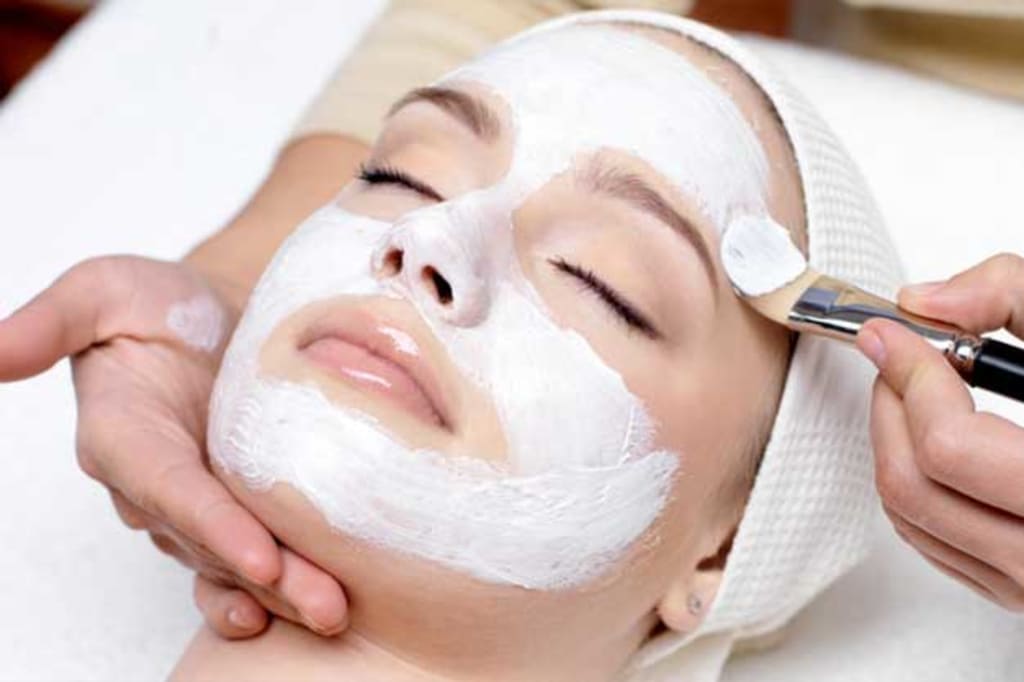
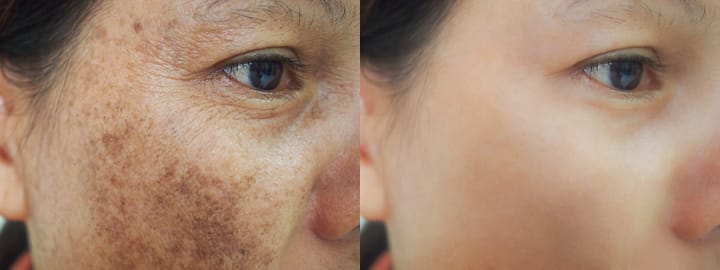
Skin whitening is a cosmetic procedure or the use of products aimed at lightening the skin tone by reducing the production of melanin, the pigment responsible for skin color. The goal is to achieve a lighter, brighter complexion, but some people also seek to reduce the appearance of dark spots, hyperpigmentation, and age spots.
B. Overview of the Popularity of Skin Whitening:
Skin whitening is a popular trend globally, driven by cultural and societal pressure to have lighter skin tones. This has led to the proliferation of skin whitening products and treatments, both in professional settings and over-the-counter products.
C. Purpose of the Discussion:
This discussion aims to provide a comprehensive overview of skin whitening, its effects, and the potential risks and dangers associated with it. The goal is to educate individuals on the benefits and drawbacks of skin whitening and provide them with information to make informed decisions.
What is Cancer?
A. Explanation of Cancer:
Cancer is a disease that occurs when cells in the body grow and divide out of control. It can affect any part of the body and can spread to other parts of the body through the bloodstream or lymphatic system.
B. Different Types of Skin Cancer:
There are three main types of skin cancer: basal cell carcinoma, squamous cell carcinoma, and melanoma. Basal cell carcinoma is the most common type of skin cancer and is usually caused by long-term exposure to the sun. Squamous cell carcinoma is the second most common type and is also linked to sun exposure. Melanoma is the deadliest form of skin cancer and is caused by mutations in the DNA of skin cells.
It is important to understand the different types of skin cancer to identify early signs and symptoms, as early detection can significantly improve the chances of successful treatment.
The Link Between Skin Whitening and Cancer
A. Exposure to Harmful Chemicals:
Many skin whitening products contain harmful chemicals such as hydroquinone, mercury, and corticosteroids. These chemicals can cause skin irritation, sensitivity, and allergic reactions, and can also increase the risk of skin cancer.
B. Endocrine Disruption:
Some skin whitening products can disrupt the endocrine system, which is responsible for regulating hormones in the body. This can result in hormonal imbalances, which can increase the risk of cancer and other health problems.
C. Increased Risk of Skin Cancer:
Exposure to harmful chemicals and UV radiation from the sun can increase the risk of skin cancer. Additionally, skin thinning from the use of skin whitening products can make the skin more susceptible to sun damage, further increasing the risk of skin cancer.
It is important to understand the potential link between skin whitening and cancer to make informed decisions about the use of these products and to take steps to reduce the risk of skin cancer.
How to Reduce the Risk of Skin Cancer while Using Skin Whitening Products

A. Avoiding Products Containing Harmful Chemicals:
To reduce the risk of skin cancer, it is important to avoid products containing harmful chemicals such as hydroquinone, mercury, and corticosteroids. Instead, look for products with natural and safe ingredients such as kojic acid, glycolic acid, and arbutin.
B. Using Natural and Safe Ingredients:
There are natural ingredients that have skin lightening properties, such as Vitamin C, licorice root extract, and mulberry extract. These ingredients are safe to use and do not carry the same risks as harmful chemicals.
C. Limiting Exposure to UV Rays:
Exposure to UV rays from the sun can increase the risk of skin cancer. To reduce this risk, it is important to limit sun exposure, wear protective clothing and use a broad-spectrum sunscreen with an SPF of 30 or higher.
By following these steps, individuals can reduce the risk of skin cancer while still enjoying the benefits of skin whitening products. It is important to always consult a dermatologist before using any skin whitening products and to follow their recommendations for safe and effective use.
Final Thoughts and Recommendations:
In conclusion, skin whitening can be a safe and effective way to achieve lighter skin, but it is important to be aware of the potential risks. To reduce the risk of skin cancer, individuals should avoid products containing harmful chemicals and use natural and safe ingredients. It is also important to limit sun exposure and to follow the recommendations of a dermatologist for safe and effective use of skin whitening products.
About the Creator
Keep reading
More stories from leon felix and writers in Humans and other communities.
I hate my life
Identify the Source of Your Unhappiness The first step in addressing your negative feelings is to identify the source of your unhappiness. This could be a specific event or circumstance, such as a job you dislike, a relationship that's not working, or financial stress. Or it could be a more general feeling of discontentment or a sense that something is missing from your life.
By leon felix3 years ago in Humans
How To Navigate Mixed Signals And Avoid Confusing Dating Situations
One of the most frustrating moments in the contemporary dating is mixed signals. They arise when words and actions of a person are not in unison thus making a person confused about their intentions. An illustration is that an individual can be interested by sending messages but avoid face-to-face interaction and be enthusiastic today and withdraw the following day. Such discrepancies tend to confuse the singles regarding their position with regard to the relationship.
By Robert Smithabout 8 hours ago in Humans
Lycan Lore
As the students of my 10am mythology class take their seats, I decide to steer the day's curriculum away from Greek and dive into a Western European discourse on the misaligned beliefs of the Werewolf. A tale of truth or fiction. No one really knows.
By Lamar Wigginsabout 19 hours ago in Fiction


Comments
There are no comments for this story
Be the first to respond and start the conversation.