
Can Predictive Analytics Save Lives? Discover How Data Is Changing Healthcare
Healthcare Predictive Analytics

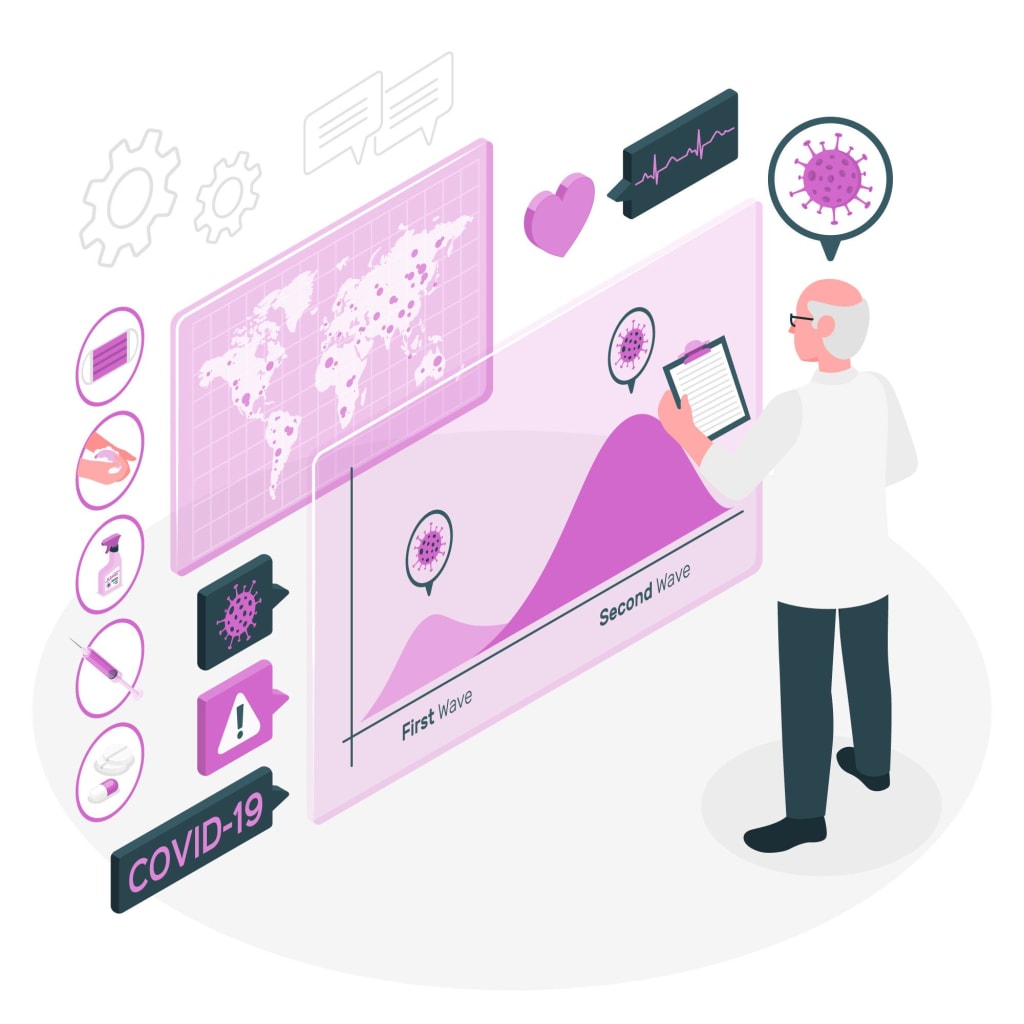
The idea of predicting a medical diagnosis or treatment plan before symptoms even arise sounds futuristic, almost like something out of a science fiction novel. But what if the future is now? Enter predictive analytics, a field where healthcare professionals use data-driven insights to anticipate patient outcomes, improve care, and even save lives. The question is, can predictive analytics really save lives? Let’s dive into this emerging technology and how it is revolutionizing healthcare.
What is Predictive Analytics in Healthcare?
Predictive analytics uses historical and real-time data to forecast future outcomes. In healthcare, this means leveraging vast amounts of patient data—from electronic health records (EHRs), lab results, wearable health devices, and even genomics—to make educated predictions about potential health issues. Imagine being able to predict who is at risk for diabetes or a heart attack based on their medical history, lifestyle factors, and real-time health data. That's the power of predictive analytics in healthcare.
The Promise of Predictive Analytics: Can it Really Save Lives?
The potential for predictive analytics to save lives is rooted in its ability to detect risks and intervene before a condition worsens. Here are some of the most compelling ways predictive analytics is changing healthcare:
1. Early Detection of Diseases
Imagine having a system that could detect the early signs of cancer even before a patient starts to show symptoms. Predictive analytics makes this possible by analyzing large sets of health data and identifying subtle patterns that could go unnoticed by the human eye. For example, researchers have used predictive models to catch early signs of colorectal cancer, resulting in earlier treatments and better patient outcomes.
In diabetes management, predictive analytics can help determine when patients are likely to experience spikes or drops in blood sugar levels. With real-time data from continuous glucose monitors, doctors can predict and prevent life-threatening incidents like diabetic ketoacidosis.
2. Personalized Treatment Plans
Predictive analytics allows for highly personalized treatment plans. By analyzing a patient's medical history, genetic information, lifestyle factors, and current health data, predictive models can suggest which treatments will work best for an individual. Instead of using a one-size-fits-all approach, predictive analytics helps create targeted treatments that cater to the specific needs of each patient. This improves the chances of success and reduces the likelihood of adverse side effects.
For example, predictive analytics has been applied to cancer treatment to tailor chemotherapy dosages based on individual responses to the drugs. This minimizes side effects while maximizing efficacy, potentially saving lives by making treatments more effective.
3. Reducing Hospital Readmissions
Hospital readmissions are a major problem in healthcare, leading to additional costs and poorer patient outcomes. Predictive analytics helps healthcare providers anticipate which patients are most likely to be readmitted based on factors like their age, medical history, and social determinants of health. Once identified, these high-risk patients can receive more targeted interventions, such as follow-up appointments, home healthcare, or patient education, to prevent readmissions.
Studies have shown that predictive analytics can reduce hospital readmission rates by as much as 10-20%, improving overall care and reducing the strain on healthcare systems.
4. Preventing Sepsis and Other Life-Threatening Conditions
Sepsis, a life-threatening condition triggered by infection, is responsible for one-third of hospital deaths. Because the symptoms are often difficult to spot in the early stages, timely intervention is crucial. Predictive analytics has been used to develop sepsis detection algorithms that analyze data from EHRs to identify at-risk patients before they show obvious signs of infection.
These models' alert healthcare providers to administer antibiotics or other treatments quickly, preventing the condition from worsening. Hospitals using predictive analytics for sepsis detection have seen significant reductions in mortality rates, demonstrating the life-saving potential of this technology.
Case Studies: Real-World Examples of Predictive Analytics Saving Lives
1. Cleveland Clinic's Risk Prediction Models
The Cleveland Clinic, a leader in healthcare innovation, has integrated predictive analytics into its daily operations to reduce readmissions and optimize patient care. Using historical patient data, their predictive models can determine which patients are at high risk of complications after discharge, allowing them to provide additional resources and care. These interventions have resulted in fewer readmissions and better patient outcomes.
2. Penn Medicine's Predictive Sepsis Model
Penn Medicine, a leading academic medical center, has been using predictive analytics to reduce sepsis-related deaths. Their model analyzes patient data from EHRs to detect the early warning signs of sepsis. When a patient is flagged as high risk, the care team is immediately notified, allowing for quicker intervention. This proactive approach has reduced sepsis mortality by 30% at Penn Medicine.
3. Mount Sinai's Cardiovascular Risk Models
Mount Sinai Hospital in New York has developed predictive models to assess cardiovascular risk in patients. By analyzing patient data, the models can predict who is at risk of a heart attack or stroke, enabling doctors to prescribe preventive treatments. This has improved patient outcomes and reduced the incidence of life-threatening cardiovascular events.
The Challenges: Can Predictive Analytics Reach Its Full Potential?
While predictive analytics offers enormous promise, several challenges must be overcome to unlock its full potential in healthcare.
1. Data Privacy and Security
Healthcare data is highly sensitive, and the use of predictive analytics raises concerns about data privacy and security. Hospitals and healthcare providers must ensure that patient data is protected from breaches and misuse. Additionally, ethical concerns arise about how this data is used—particularly when it comes to predictive models that could label patients as "high risk" without their knowledge.
2. Data Accuracy and Integration
The accuracy of predictive models depends on the quality and quantity of data. Inconsistent or incomplete data can lead to inaccurate predictions. Moreover, many healthcare providers use multiple systems for patient data, making it challenging to integrate all the necessary information into a single predictive model.
Connect with us for Healthcare Integration Services.
3. Implementation Costs
Building and maintaining predictive models can be expensive, particularly for smaller healthcare organizations. While the long-term benefits of predictive analytics—such as improved patient outcomes and reduced hospital readmissions—are clear, the initial investment in technology and training can be a barrier to adoption.
The Future of Predictive Analytics in Healthcare
The potential for predictive analytics to transform healthcare is immense, but we are still in the early stages of its adoption. As more healthcare organizations embrace this technology, the models will become more accurate, and the benefits will become more widespread.
In the future, predictive analytics could help us transition from a reactive healthcare model—where we treat diseases after they occur—to a proactive one, where we prevent diseases before they start. This shift could save millions of lives and reduce healthcare costs by focusing on prevention rather than treatment.
Conclusion: Can Predictive Analytics Save Lives?
The answer is a resounding yes. Predictive analytics has the potential to revolutionize healthcare by enabling early detection of diseases, creating personalized treatment plans, reducing hospital readmissions, and preventing life-threatening conditions like sepsis. While there are challenges to overcome, the benefits of predictive analytics far outweigh the risks. As technology continues to evolve, we can expect even more life-saving innovations in healthcare.
So, is your healthcare provider using predictive analytics? It might be time to ask. After all, your future health could depend on it.
Click the link to find out How a Healthcare Analytics Software Helps in Critical Decision-Making?
About the Creator
Larisa Albanians
Hey, a healthcare technology solutions provider at emorphis, that is helping organizations to deliver better healthcare solutions.
Keep reading
More stories from Larisa Albanians and writers in Humans and other communities.
Is Chronic Pain Treatable? Discover How Advanced Care Software Is Changing the Game
Chronic pain is one of the most debilitating health issues facing millions of people worldwide. Unlike acute pain, which typically resolves with treatment or time, chronic pain persists for months or even years, significantly diminishing a person’s quality of life. Traditional approaches to chronic pain management often focus on medications or interventions that offer short-term relief, but these strategies can fall short in addressing the complex and persistent nature of the condition.
By Larisa Albaniansabout a year ago in Humans
Adaptability: The Skill That Future-Proofs Your Career
Introduction: Why Adaptability Is the New Career Insurance The modern job market is changing at an unprecedented pace. Automation, artificial intelligence, remote work, and global competition have reshaped how careers are built and sustained. In this environment, technical expertise alone is no longer enough. The single most important skill that separates professionals who thrive from those who struggle is adaptability.
By Muhammad Talha Ahmad4 days ago in Humans




Comments
There are no comments for this story
Be the first to respond and start the conversation.