
Can a Retinal Diagnostic Center Help with Vision Loss Recovery?
Exploring the Role of Retinal Diagnostic Centers in Vision Loss Recovery
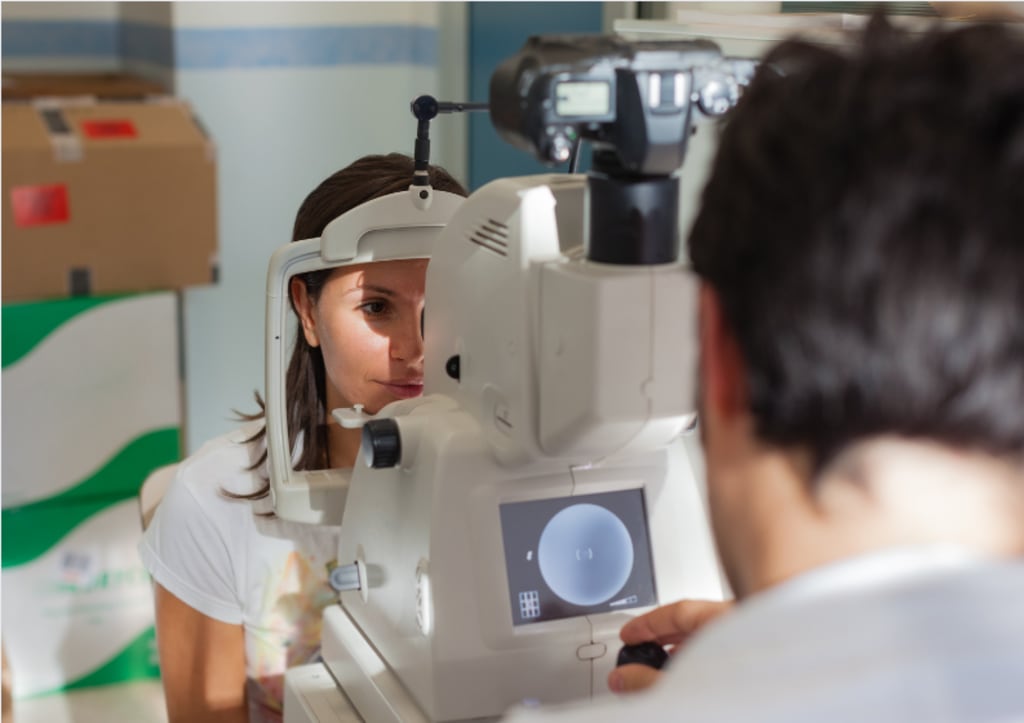
Losing your vision can be terrifying. Whether it comes on suddenly or slowly creeps up over time, the fear of losing your sight can make you feel helpless. The good news is that if you’re facing vision loss, there are places designed to help: a retinal diagnostic center - https://www.charlesretina.com/diagnostic-testing/. These specialized clinics offer advanced care that goes beyond what you’ll find in a general eye clinic.
But what can a retinal diagnostic center really do for you? Can they help you recover some of your lost vision or at least manage the condition so it doesn’t get worse?
In this blog, we’ll explore how these centers can assist you with your vision loss, what services they provide, and what treatments are available to help you maintain or even improve your eyesight.
What is a Retinal Diagnostic Center?
A retinal diagnostic center is a specialized eye care facility focused entirely on diseases and conditions that affect the retina. The retina is the light-sensitive layer at the back of your eye that plays a crucial role in how you see the world. When something goes wrong with the retina, it can lead to partial or even complete vision loss.
Retinal diagnostic centers are different from general eye clinics because they focus on complex conditions that need advanced diagnostic tools and treatments. These centers are equipped with state-of-the-art technology and staffed by specialists known as retinal ophthalmologists, who are experts in diagnosing and treating retinal diseases.
How Retinal Diagnostic Centers Help with Vision Loss
If you’ve been diagnosed with a retinal condition that’s affecting your vision, you might wonder how much can actually be done. The retina is a delicate part of the eye, and once damage occurs, it’s often permanent. However, a retinal diagnostic center can help in several ways:
- Early Detection: One of the key benefits of going to a retinal diagnostic center is early detection. These centers use advanced imaging technologies to catch retinal problems before they progress too far. The earlier a problem is caught, the better the chances are of preventing further vision loss.
- Accurate Diagnosis: General eye clinics might miss the finer details of a retinal issue. Retinal diagnostic centers, however, use specialized tools to get a precise diagnosis. This includes conditions like macular degeneration, diabetic retinopathy, retinal tears, and more. Accurate diagnosis is the first step toward the right treatment.
- Customized Treatment Plans: Every retinal condition is unique, and so is every patient. At a retinal diagnostic center, treatment plans are tailored specifically to your condition, your overall health, and the severity of your vision loss. The focus is not just on treating the disease but also on preserving as much vision as possible.
- Specialized Treatments: The treatments offered at these centers are cutting-edge and often go beyond what’s available in a general eye clinic. From injections that slow disease progression to surgeries that can repair retinal damage, a retinal diagnostic center offers treatments that can help manage or, in some cases, even recover some lost vision.
Common Retinal Conditions Leading to Vision Loss
There are several retinal diseases that can lead to vision loss. Here’s a closer look at the most common ones that retinal diagnostic centers help manage:
- Macular Degeneration: This condition primarily affects the elderly and is one of the leading causes of vision loss. There are two types: dry and wet. Dry macular degeneration progresses slowly and may not cause immediate vision loss, but it can lead to blindness over time. Wet macular degeneration is more aggressive but can be treated with injections and other therapies at a retinal diagnostic center.
- Diabetic Retinopathy: People with diabetes are at risk for this condition, which damages the blood vessels in the retina. If left untreated, diabetic retinopathy can lead to blindness. However, early detection and treatments like laser therapy or injections can help preserve vision.
- Retinal Detachment: This is a medical emergency where the retina pulls away from the back of the eye. Without prompt treatment, retinal detachment can cause permanent vision loss. At a retinal diagnostic center, surgery is often required to reattach the retina.
- Retinal Tears: Smaller than a detachment, retinal tears can still cause serious problems if not treated. These tears often happen suddenly and may lead to floaters, flashes of light, or a shadow over part of your vision. Retinal diagnostic centers can use laser therapy to seal these tears and prevent further damage.
Treatments Available at Retinal Diagnostic Centers
Retinal diagnostic centers offer a wide range of treatments aimed at managing retinal conditions and preventing further vision loss. Some of these treatments can even help restore a portion of your sight if caught early enough.
Here are the most common treatments available:
- Anti-VEGF Injections: This is a common treatment for wet macular degeneration and diabetic retinopathy. VEGF (vascular endothelial growth factor) causes abnormal blood vessels to grow in the retina, leading to vision loss. Anti-VEGF injections block this growth, slowing down the disease and helping to preserve vision.
- Laser Therapy: Laser treatments are used to treat conditions like diabetic retinopathy and retinal tears. By sealing leaking blood vessels or fixing retinal tears, lasers can prevent further damage to your vision. While it won’t reverse vision loss, it’s an effective way to halt the progression of these conditions.
- Vitrectomy: This surgical procedure is often used to treat retinal detachment or severe cases of diabetic retinopathy. During a vitrectomy, the surgeon removes the vitreous gel from your eye and replaces it with a saline solution, allowing them to repair the retina. While surgery can’t always restore vision fully, it can significantly improve your sight if done early enough.
- Photodynamic Therapy: This is a less common but effective treatment for certain types of macular degeneration. A light-activated drug is injected into your bloodstream, and then a laser is used to activate the drug in the eye, which destroys abnormal blood vessels in the retina.
- Scleral Buckling: This surgical procedure is often used to repair retinal detachment. A small silicone band is placed around the eye to push the retina back into place. While recovery can take several weeks, this procedure can save your vision in emergency situations.
Can Vision Loss Be Recovered?
One of the biggest questions people have when visiting a retinal diagnostic center is whether lost vision can be recovered. The answer depends on the specific condition, how advanced it is, and how early it’s caught.
- Partial Recovery: In some cases, especially with conditions like retinal detachment, early treatment can restore a portion of your lost vision. Surgery and other treatments like anti-VEGF injections can improve your sight, though it may not return to 100%.
- Stopping Further Loss: For many retinal diseases, the goal of treatment is to stop further damage. While you may not regain vision you've already lost, early and effective treatment can prevent things from getting worse. This is why it’s so important to catch these conditions early.
- Managing Symptoms: Even if your vision can’t be fully restored, treatments at a retinal diagnostic center can help you manage symptoms like blurry vision, floaters, or blind spots, making day-to-day life easier.
When Should You Visit a Retinal Diagnostic Center?

If you’re experiencing any of the following symptoms, it’s time to visit a retinal diagnostic center:
Sudden vision loss in one or both eyes
Blurry or distorted vision
Flashes of light or an increase in floaters
A shadow or curtain across your field of vision
These symptoms could indicate a serious retinal condition that needs immediate attention.
Conclusion: Retinal Diagnostic Centers Are Your Best Bet
If you’re dealing with vision loss, don’t wait. The sooner you visit a retinal diagnostic center, the better your chances are of preserving your sight. These specialized clinics have the tools, treatments, and expertise needed to handle complex retinal conditions that general eye clinics might miss.
Whether you’re looking for early detection, advanced treatment, or just peace of mind, a retinal diagnostic center can help you manage your vision loss and, in some cases, recover a portion of your sight.
Don't take chances with your eyes—when it comes to vision loss, expert care makes all the difference.
About the Creator
Keep reading
More stories from Whitney Collins and writers in Humans and other communities.
Tech Ethics for Lawyers
In this digital age, technology is everywhere and the legal profession is no different. Lawyers are using technology to streamline, be more efficient and provide better service to clients. But this shift to a more techy practice raises big ethical questions. How do we ensure technology aligns with legal ethics? This post looks at the tech ethics for lawyers and where to be vigilant.
By Whitney Collinsabout a year ago in Futurism
Whiskey At Dusk
Guess the whiskey was more important to you in the end, wasn’t it? It was more than the well-being of your friends; more vital than showing up to the places you promised you would and could come to; more critical of a matter than fulfilling your damn responsibilities and getting the press off your back.
By Snarky Lisa5 days ago in Humans
Why Calm Presence Improves Recovery Outcomes.
Recovery, whether from illness, surgery, or emotional trauma, is influenced by more than medical treatment. The state of mind around the patient plays a crucial role. Calm presence, whether from caregivers, family, or the individual themselves, significantly improves recovery outcomes. Understanding this connection allows for more effective healing and better overall health.
By Wilson Igbasi4 days ago in Humans



Comments
There are no comments for this story
Be the first to respond and start the conversation.