
Can a Claim Arise from 2 Insurance Policies?
Find out the possibility here in this blog

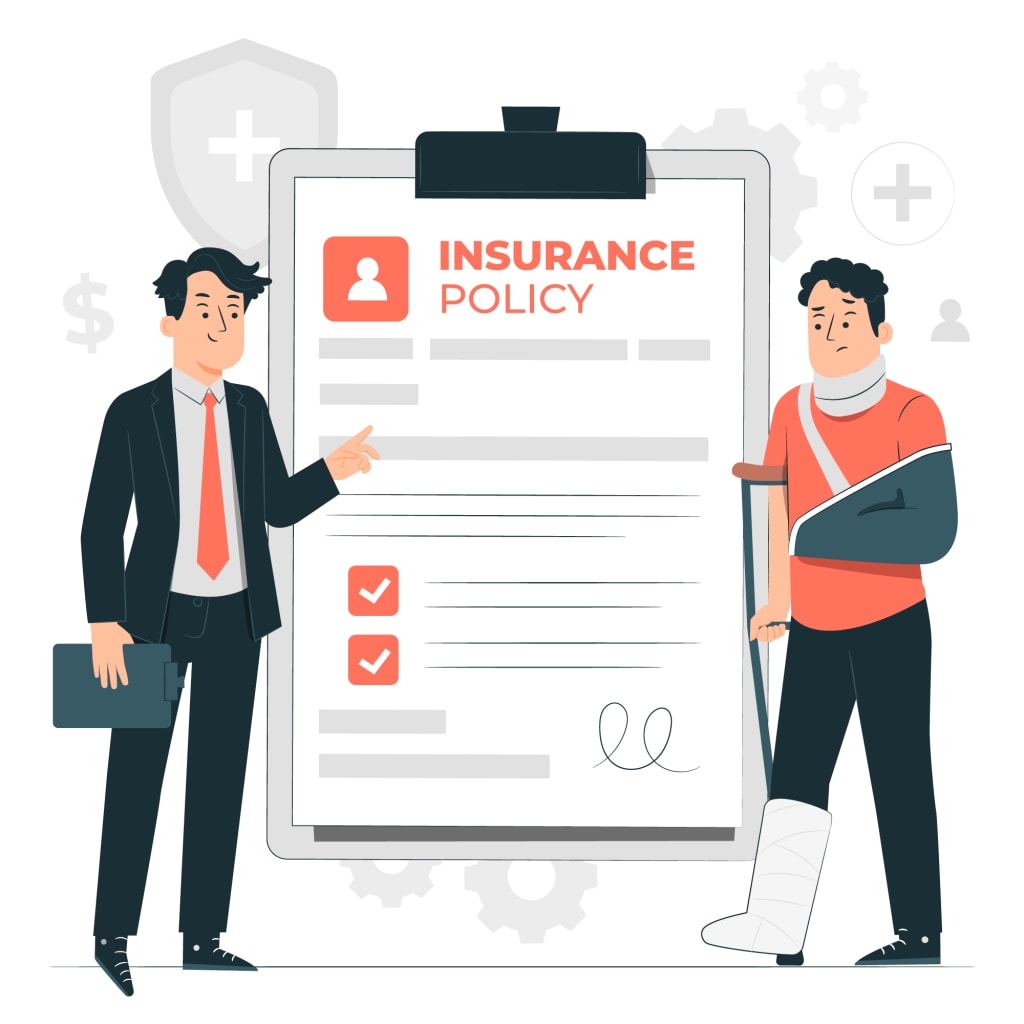
Are you tired of navigating the complex world of insurance claims? Do you find yourself wondering if it's possible to have coverage from not one, but two insurance policies for a single incident? Well, wonder no more! In this blog post, we delve deep into the intriguing possibility of whether a claim can arise from two insurance policies. Buckle up and get ready to explore uncharted territory in the realm of insurance as we uncover the facts, debunk myths, and shed light on this fascinating topic. Get ready to have your mind blown!
Introduction
When it comes to insurance, the general rule is that an insured cannot recover more than the face value of their policy. However, there are some circumstances in which an insured may be able to make a claim under multiple policies. This is known as the "double recovery" rule.
There are two situations in which the double recovery rule may apply: (1) when there are two or more policies that cover the same loss, or (2) when there is a policy that covers a loss and another policy that covers consequential damages arising from the same loss.
The double recovery rule does not necessarily mean that an insured will be able to recover the full value of their losses. It simply means that they may be able to make a claim under more than one policy. Each policy has its own terms and conditions, so it is important to review all policies carefully before making a claim.
What is a Claim?
A claim is a demand made by an insured person or entity for payment of benefits under an insurance policy. A claim can also be made by a third party who has suffered damages due to the actions of the insured. The insurance company must then investigate the claim and determine whether it is valid and covered under the policy.
Can a claim arise from 2 insurance policies?
If you have two insurance policies, can a claim arise from both? It's possible. Here's how it works:
If you have two insurance policies and you make a claim against one of them, the insurer will first look to see if the other policy covers the same thing. If it does, then the insurer will pay out under that policy as well.
However, if the two policies cover different things, then the insurer will only pay out under one policy. So, if you have a home insurance policy and a car insurance policy, and you make a claim for damage to your car, your home insurance policy won't pay out.
Exploring the Possibility: Possible Scenarios
There are many possible scenarios in which a claim could arise from two insurance policies. For example, if you have a homeowner’s policy and an auto policy with the same company and you are involved in an accident that damages your home, the company may pay for the repairs to your home under your auto policy since it was caused by an accident. Another example would be if you have a health insurance policy and a life insurance policy with different companies and you die, the life insurance company would pay out the death benefit to your beneficiaries.
How to determine whether a claim can arise?
Determining whether a claim can arise from two insurance policies requires a careful analysis of the policy language, the facts giving rise to the potential claim, and the applicable law. If you have any questions about your specific situation, you should consult with an experienced insurance coverage attorney.
Insurance Companies and Claims
Insurance companies are in the business of managing risk. They collect premiums from policyholders and, in exchange, agree to pay covered claims. When two insurance policies cover the same loss, the question then becomes which company is responsible for paying the claim. In most cases, both insurers will be required to pay a portion of the claim, but there may be circumstances where one company is primarily responsible for payment.
There are two main types of insurance policies that can cover the same loss: primary and excess. A primary policy is the first line of defense against a loss and will typically pay out up to the policy limit. An excess policy is designed to provide coverage above and beyond what is available from a primary policy. As such, an excess policy usually has a higher limit than a primary policy.
When two insurance policies cover the same loss, the claims process can become complicated. Each insurer will want to investigate the claim and determine their share of responsibility. In some cases, one insurer may deny coverage altogether, leaving the other insurer to shoulder the entire burden. It's important to work with an experienced insurance agent or broker who can help you navigate the claims process and ensure that you receive fair compensation for your losses.
Conclusion
The possibility that two insurance policies can give rise to a claim is not out of the question. While such an occurrence may be rare, it cannot be ruled out and could potentially benefit policyholders if they have taken out multiple policies. It is important for anyone considering taking out more than one insurance policy to fully understand how their coverage works to ensure they are adequately protected in case of any unexpected events. With this knowledge in hand, insureds will feel secure knowing that if anything happens, they will still be able to make a claim on their insurance policies.
About the Creator
Jayant Upadhyay
Jayant is a content marketer and leading strategist. He has 12 years of experience in content and digital business. When he is not writing, he is gardening, listening to songs and reading novels. He is working with BimaKavach
Keep reading
More stories from Jayant Upadhyay and writers in Humans and other communities.
Fire Insurance for Educational Institute
As an educational institution, you have a responsibility to provide a safe and secure environment for your students, staff, and visitors. However, disasters can strike at any time, and fire is one of the most devastating ones that can occur. A single spark can quickly turn into a raging inferno that destroys everything in its path – from classrooms to libraries to dormitories. That's why having adequate fire insurance coverage is not just important but vital for educational institutes. In this blog post, we'll explore the reasons why having fire insurance should be at the top of your priority list as an educational institute.
By Jayant Upadhyay3 years ago in Humans
Thief In The Night
To the thief in the night that took and replicated what once was mine: Honestly, I feel kind of bad for you. It’s funny, because we hardly know each other. I only know of you through the magazines you’ve written and the broadcasts you have televised in the past — as well as through the public mentions of you from your show business connections there.
By Snarky Lisa6 days ago in Humans
Danielle Graham: Husband, Net Worth, Biography, Age, Career & More
Danielle Graham is a respected Canadian television entertainment reporter and media personality best known for her long-running role as co-anchor of etalk. Over the years, she has graced countless red carpets, interviewed global stars, and built a remarkable career in Canadian broadcast journalism.
By Enoch Sagini5 days ago in Humans




Comments
There are no comments for this story
Be the first to respond and start the conversation.