
"Buried Beneath Their Feet"
A true story from Mazal Gali—where a young man died beneath a rushing crowd, just trying to go home for Eid ul-Adha.
He Just Wanted to Go Home: A True Story from Mazal Gali
It happened not in war, not in a storm, but in the crush of human desperation—on a dusty stretch of earth called Mazal Gali, near the Pakistan-Afghanistan border. A place where dreams gather and die quietly, unseen.
It was the morning before Eid ul-Adha. The sky hung low with heat and dust. The border—sealed for nearly two years under the cruel shadow of a one-document policy—was suddenly opened. Just for two hours. No explanation, no preparation. Two hours. As if two hours could hold the weight of twenty months of waiting.
People came running.
Men, women, children, the elderly—thousands upon thousands—pushed toward the iron gates. Some held ID cards. Others carried babies. Most had only one thing: a desperate need to return home.
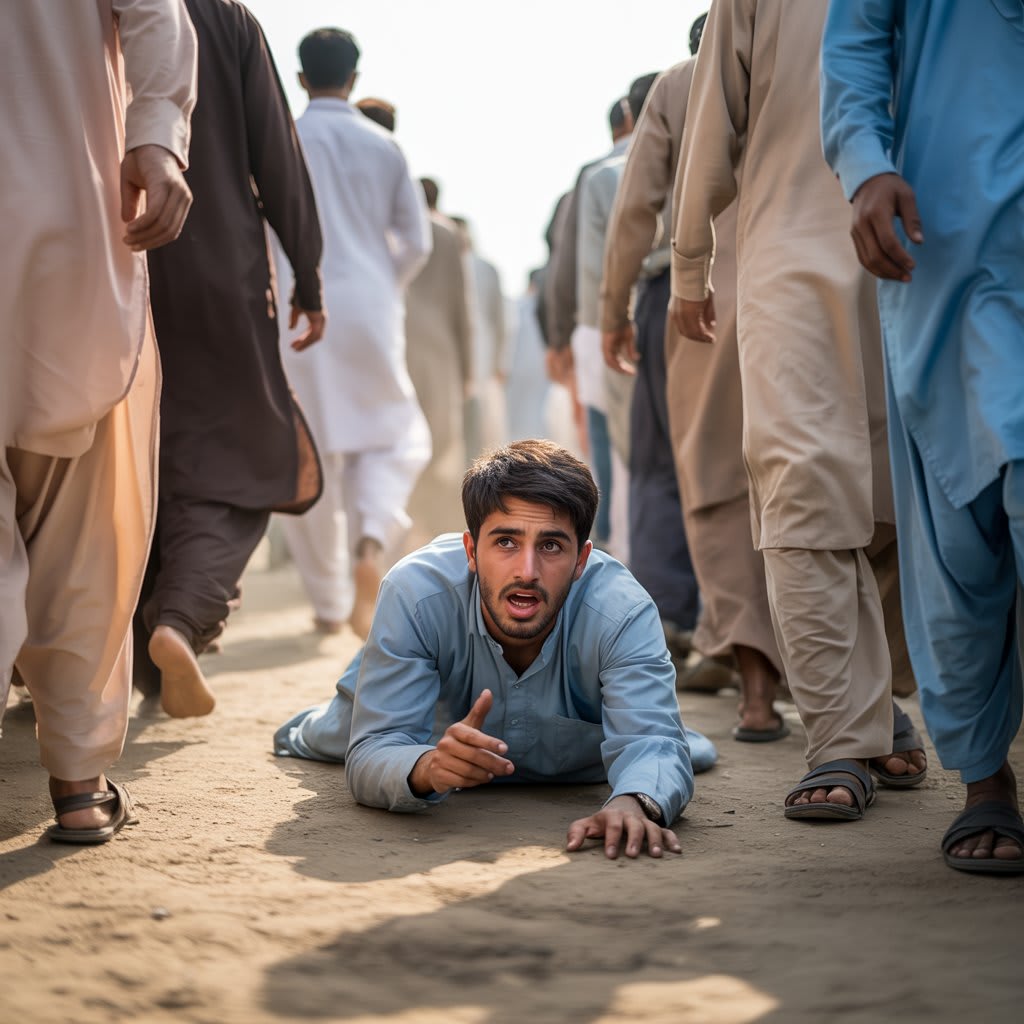
Among them was a young man. He looked to be twenty-eight, maybe thirty. He wore a clean light blue shalwar kameez. He carried a small bag, light enough to suggest it held only the essentials. Maybe a change of clothes. Maybe gifts for younger siblings. Maybe sweets for Eid.
He wasn't loud. He didn't shout. He just waited, pressed among the crowd, eyes fixed on the gates that might finally take him home.
When the gates opened, it was like time cracked open. The crowd surged forward. Voices became noise. Noise became thunder. The border guards shouted for order, but no one could hear them—not over the sound of two years of bottled-up longing.
And in that wave, the young man slipped.
He fell—first to his knees, then face down. Witnesses later said he tried to rise. He reached out. His fingers scraped at the earth, searching for anything stable. But no one stopped. Not because they were cruel. Because they were terrified.
People stepped on him. Over him. Around him. Not one hand reached down.
And slowly, breath by breath, the light went out in his body. Not with a scream, but with a silence that should haunt the world.
When the crowd moved forward, when the chaos thinned, when the sun stood high above Mazal Gali, he remained there—crushed beneath the weight of desperation. His light blue clothes were stained. His hands frozen mid-reach.
He just wanted to go home for Eid.
But he died before the sacrifice.
This is not fiction. This is a true story.
His name might never be known to the world, but his death should be.
Because his story is not just about one man. It is about what we have become. How policy can choke humanity. How silence can become violence. How survival can turn crowds into rivers that drown their own.
This young man was not killed by a weapon. He was killed by a decision.
A decision to open a border for only two hours—despite knowing tens of thousands were waiting.
A decision to prioritize control over compassion.
A decision that turned Eid—a day meant for sacrifice, for mercy, for closeness—into a tragedy.
Ask yourself:
Can a father with children cross an international checkpoint in two hours? Can an elderly woman carry her dignity, her pain, and her belongings all at once, surrounded by chaos? Can hope survive when it is given only minutes to breathe?
That day, it didn't.
That day, hope was crushed—along with the young man in the blue kameez.
There is something unbearably cruel about dying on the way to your family. Something sacred in the tragedy of it.
He probably imagined Eid mornings filled with laughter, the smell of roasted meat, his mother’s hands blessing him. Instead, he was met with dust, elbows, knees, and boots that didn’t pause.
But don’t blame the crowd.
Blame the silence. Blame the broken system. Blame those who knew what would happen—and did it anyway.
And don’t just mourn him. Remember him.
Let him be the boy who reminds us what it means to be human.
Let his story be told not in whispers, but in headlines, in prayers, in protests.
Because he died with no name, but not without meaning.
He was a son. A brother. A traveler.
He was you, if you had been born across that line in the dirt.
Eid came. The border closed. People moved on.
But somewhere in Mazal Gali, the dust still remembers.
It remembers the boy who fell.
And it waits—for the world to do better.
About the Creator
Keep reading
More stories from Bismillah Achakzai and writers in Humans and other communities.
Dust And Dreams
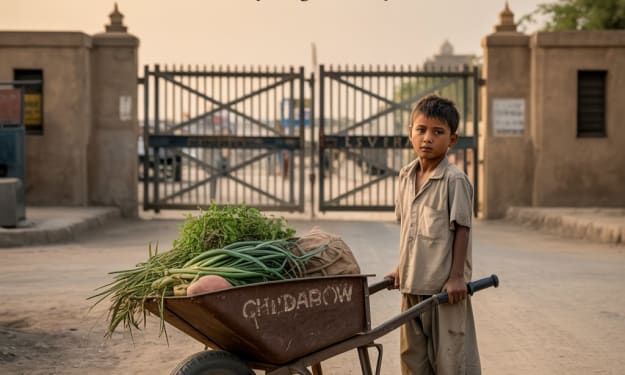
In the dusty border town of Chaman, where Pakistan meets Afghanistan, a silence has fallen heavier than the scorching heat. It is not the kind of silence that comes from peace, but the kind that seeps in when livelihoods disappear, when the gates that once connected families and futures are suddenly locked. Amid this silence, a boy named Khalid pushes his rusted wheelbarrow through the winding alleys of a town held hostage by border politics.
By Bismillah Achakzai8 months ago in Humans
Whiskey At Dusk
Guess the whiskey was more important to you in the end, wasn’t it? It was more than the well-being of your friends; more vital than showing up to the places you promised you would and could come to; more critical of a matter than fulfilling your damn responsibilities and getting the press off your back.
By Snarky Lisa5 days ago in Humans
The Impact Of Toxic Relationships On Mental Health And Selfesteem
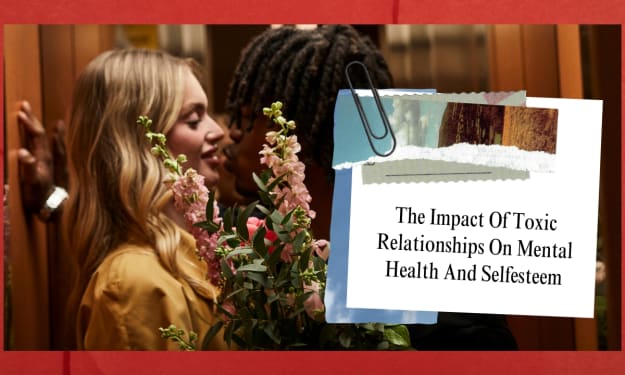
Counseling on Toxic Relationships and Relationship Dynamics. Patterns of control, disrespect, emotional manipulation, or unceasing conflict are some of the characteristics of toxic relationships that lead to the loss of emotional safety. These dynamics end up leaving people exhausted, nervous, or disoriented as opposed to being supported unlike in healthy relationships. Criticism, gaslighting, neglect or mood swings that are hard to predict can be considered toxic behaviors and leave one person emotionally off balance. In the long run, such patterns become a normal part of life and a person finds it hard to realize that he/she is being hurt. This is a very destructive environment of constant emotional stress that causes harm to mental stability and general psychological wellbeing.
By Robert Smithabout 13 hours ago in Humans


Comments
There are no comments for this story
Be the first to respond and start the conversation.