
Breaking Free from Rumination: A Path to Mental Clarity**
When you are a patient of rumination, it feels like being caged in a loop of thoughts..

What is Rumination?
Rumination is the process of persistently thinking over painful events, thoughts, or feelings—usually without reaching any resolution. Although it is common to reflect on events that have occurred, rumination is more than healthy reflection and becomes mired in a cycle of worry and self-blame. It can eventually result in anxiety, depression, and emotional exhaustion. Fortunately, with recognition and good strategies, recovery is possible and control of your thoughts can be regained.

Understanding Rumination
At its core, rumination is the mind's effort to fix emotional problems by thinking them over. You might replay a failure, over-analyze a conversation, or wonder how an event could have gone differently. The hope is that more thinking will make things clear, but the result is the opposite: more confusion and suffering.
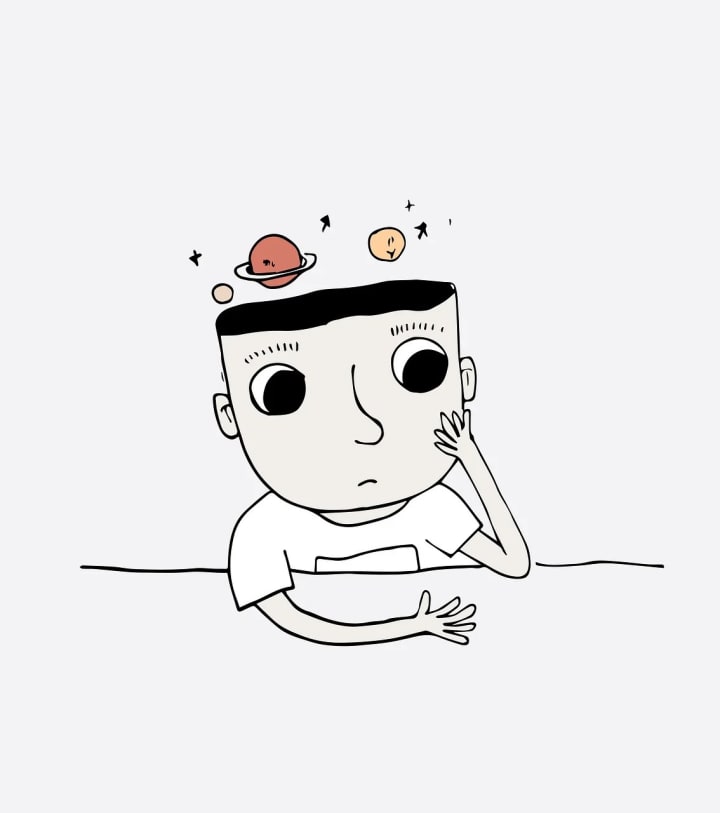
Common causes of rumination include unresolved problems, fear of failure, perfectionism, low self-esteem, or underlying mental illness. Identifying your causes is an essential first step on the path to recovery.And it just keeps spinning around the ruminators mind
Step 1: Build Awareness
You can't change what you don't notice. Begin by becoming more aware of your thinking. Where and when do you do the most ruminating—at night, after social contact, or when under extreme stress? Write down your thoughts, the situations that triggered them, and the feelings they caused in a diary. Over time, you will start to see patterns that can guide your recovery.
Step 2: Interrupt the Cycle
When you realize you've got rumination happening, stop it. Ask yourself these types of questions:
* *Is this thought helping me solve a problem?
* *Am I learning something new by thinking about this again?
* *What would I tell a friend in this situation?*
* *Is it letting me work normally as i used to do?
* *Is it making me unsocialized?
Challenging irrational or repetitive thinking is one of the primary techniques used in cognitive behavioral therapy (CBT), which has been shown to be incredibly effective in reducing rumination.
Challenging irrational or repetitive thoughts is a key technique used in cognitive behavioral therapy (CBT), which has been shown to be highly effective in reducing rumination.
Sep 3 : Practice Mindfulness
Mindfulness is the process of staying present without judgment. When you are mindful, you observe your thoughts rather than engaging with them. This builds a healthy gap between you and your inner voice.
Simple mindfulness exercises are:
* Deep breathing
* Body scans
* Guided meditation
* Observing your surroundings with your senses
By regular practice, mindfulness can shift the direction of your mind from past or future to the present moment.
Step 4: Engage in Healthy Distractions
When your thoughts are stuck in a cycle of rumination, changing the subject can interrupt the cycle. Choose activities that require concentration or body movement—such as going for a walk, exercising, engaging in a creative task, or talking with a friend. Distraction is not avoidance; it's a way to reboot your mind and make room for healthier thinking.

Step 5: Set Boundaries for Your Thoughts
If you find it difficult to stop ruminating entirely, schedule a specific “worry time” each day. Allow yourself 10–15 minutes to think through your concerns, then intentionally shift your attention elsewhere. This technique trains your brain to confine rumination rather than letting it control your day.
Step 6: Address the Root Causes
Other times, chronic rumination is a symptom of underlying conditions like anxiety, trauma, or depression. If that's the case, it can be very beneficial to work with a mental health professional. Modalities like CBT, Acceptance and Commitment Therapy (ACT), or mindfulness-based therapies offer skills to gain more control over thoughts and heal from emotional wounds.
Final Thoughts
Recovering from rumination is not about suppressing your thoughts but changing your relationship with them. It takes time, patience, and self-compassion. By building awareness, challenging unhelpful thought patterns, and developing healthy coping strategies, you can gradually free yourself from the cycle of overthinking. With consistent effort, mental clarity and emotional peace are within reach.
Healing from rumination is not a case of suppressing your thoughts but changing the way you relate to them. It takes time, patience, and self-kindness. Through cultivating awareness, challenging unhelpful thoughts, and practicing healthy coping strategies, you can gradually break free from the overthinking pattern. With practice, mental clarity and emotional calm become possible.

And finally, always remember you are not alone with this.. Get up from your anxiety and share them with your trusted ones... It is the best way to shake your thought away and feel free again...
About the Creator
Keep reading
More stories from Ariyan Khan and writers in Humans and other communities.


Comments
There are no comments for this story
Be the first to respond and start the conversation.