
Breaking Down Communication Barriers in Relationships
Discover Essential Strategies to Enhance Connection and Foster Understanding with Your Partner.

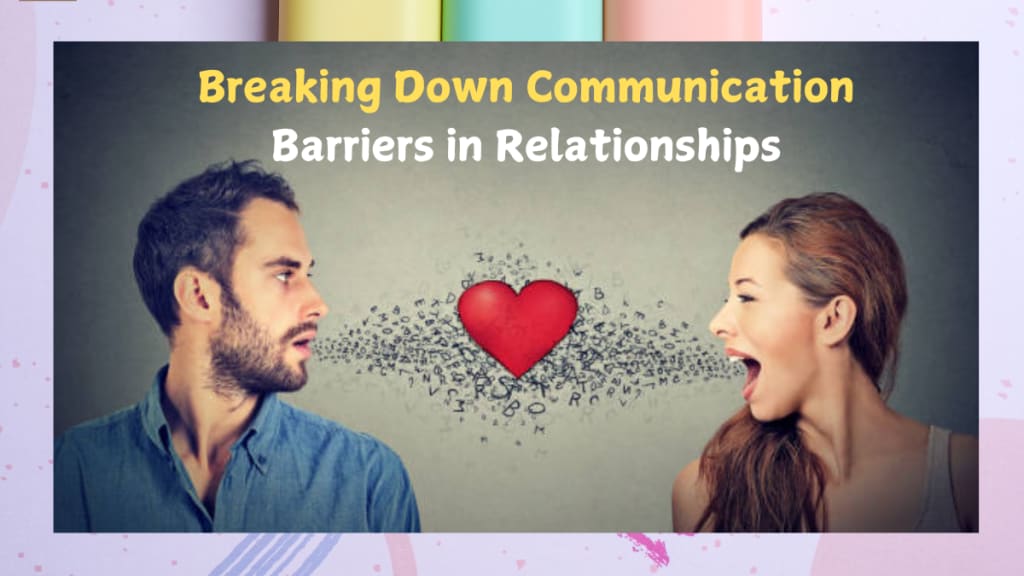
Effective communication is essential for healthy relationships, yet many couples encounter barriers that hinder their ability to connect. Understanding these barriers and learning how to overcome them is crucial for fostering intimacy, trust, and mutual understanding. In this article, we’ll explore common obstacles to effective communication and provide practical strategies to overcome them.
Why Communication Matters in Relationships
1. Foundation of Trust
Open and honest communication fosters trust between partners. When both individuals feel safe sharing their thoughts and feelings, it strengthens the bond of the relationship.
2. Enhances Understanding
Clear communication helps partners understand each other's needs and desires. This understanding reduces misunderstandings and promotes harmony.
3. Facilitates Conflict Resolution
Every relationship experiences conflicts. Effective communication allows couples to address disagreements constructively, leading to resolution rather than escalation.
4. Promotes Emotional Intimacy
Sharing thoughts and feelings fosters emotional closeness. The more partners communicate, the deeper their emotional connection becomes.

Common Barriers to Effective Communication
1. Lack of Active Listening
The Issue
Many individuals struggle to listen actively, often focusing on their thoughts rather than fully engaging with their partner.
Impact
When one partner is not genuinely listening, it can lead to feelings of frustration and neglect.
2. Poor Timing
The Issue
Timing can significantly affect communication. Discussing important issues during stressful moments or when one partner is preoccupied can lead to misunderstandings.
Impact
Poor timing can result in heightened emotions and less effective discussions.

3. Emotional Baggage
The Issue
Past experiences can influence how individuals communicate in their current relationships. Emotional baggage from previous relationships can create barriers to open dialogue.
Impact
Unresolved feelings can lead to defensiveness or withdrawal, making communication difficult.
4. Cultural Differences
The Issue
Cultural backgrounds can shape communication styles, leading to misunderstandings between partners with different cultural influences.
Impact
Cultural differences can create barriers if not acknowledged and understood.

5. Fear of Vulnerability
The Issue
Many individuals fear being vulnerable and worry about how their partner will react to their feelings.
Impact
This fear can lead to avoidance of important conversations, preventing emotional intimacy.
Strategies to Overcome Communication Barriers
1. Practice Active Listening
How to Implement It
👉 Give Full Attention: Put away distractions and focus entirely on your partner when they’re speaking.
👉 Use Reflective Listening: Paraphrase what your partner says to ensure understanding. For example, “What I hear you saying is…”
👉 Show Empathy: Acknowledge your partner’s feelings by saying things like, “I understand how you feel.”

2. Choose the Right Time and Place
How to Implement It
👉 Set Aside Time for Important Conversations: Schedule regular check-ins where both partners can discuss feelings and concerns without distractions.
👉 Avoid Stressful Moments: Steer clear of discussing significant issues when either partner is stressed, tired, or preoccupied.
3. Address Emotional Baggage
How to Implement It
👉 Reflect on Past Experiences: Take time to identify unresolved feelings from previous relationships or experiences.
👉 Communicate Openly About Baggage: Discuss any emotional baggage with your partner, fostering understanding and support.

4. Be Aware of Cultural Differences
How to Implement It
👉 Educate Yourself: Learn about your partner’s cultural background to understand their communication style better.
👉 Discuss Differences Openly: Create a safe space for discussing cultural influences on communication.
5. Embrace Vulnerability
How to Implement It
👉 Share Your Feelings: Practice expressing your emotions, even if it feels uncomfortable. Start with small feelings and gradually work up to deeper emotions.
👉 Encourage Open Dialogue: Create a safe environment where both partners feel comfortable expressing vulnerabilities.
6. Use "I" Statements
How to Implement It
👉 Express Feelings Without Blame: Use “I” statements to take ownership of your feelings. For example, “I feel hurt when…” instead of “You make me feel hurt.”
👉 Be Specific: Clearly articulate your feelings to reduce misunderstandings.

7. Establish Ground Rules for Communication
How to Implement It
👉 Set Guidelines: Agree on rules for discussions, such as no interrupting and taking turns to speak.
👉 Create a Safe Environment: Ensure that both partners feel safe to express their opinions without judgment.
8. Seek Professional Help if Needed
When to Consider It
If communication barriers persist despite your best efforts, consider seeking help from a therapist or counselor.
Benefits of Professional Guidance
👉 Objective Perspective: A therapist can provide an unbiased view and help identify underlying issues.
👉 Communication Techniques: Professionals can teach effective communication strategies tailored to your relationship.

The Long-Term Benefits of Overcoming Communication Barriers
1. Stronger Relationships
Couples who communicate effectively tend to have stronger, more resilient relationships. This foundation fosters trust and emotional intimacy.
2. Improved Problem-Solving Skills
Effective communication enhances problem-solving abilities. Partners can navigate challenges collaboratively, leading to more effective solutions.
3. Greater Emotional Satisfaction
When partners feel heard and understood, it enhances emotional satisfaction within the relationship, leading to increased happiness.
4. Better Conflict Management
Couples who communicate well are better equipped to handle conflicts constructively, reducing the likelihood of escalation.

Conclusion
Overcoming barriers to effective communication is essential for nurturing healthy relationships. By practicing active listening, choosing the right time and place, addressing emotional baggage, and embracing vulnerability, partners can enhance their ability to connect. Remember that communication is an ongoing process requiring patience and practice. By prioritizing open dialogue and understanding, you can build a stronger, more fulfilling relationship with your partner.
Key Takeaways
👉 Practice Active Listening: Engage fully with your partner to foster deeper connections.
👉 Choose the Right Time and Place: Create a conducive environment for important conversations.
👉 Address Emotional Baggage: Acknowledge past experiences to improve communication in the present.
👉 Embrace Vulnerability: Share your feelings to enhance emotional intimacy.
By implementing these strategies, you can overcome communication barriers and strengthen your relationship, leading to a more harmonious and loving partnership.
References:
1- https://tinyurl.com/4jp4aw5n
2- https://tinyurl.com/3n8p8j5d
Special Thanks Note
I would like to extend my heartfelt thanks to Unsplash for providing such an incredible collection of high-quality images that enhanced this article. Your platform has made it easy for creators like me to find stunning visuals that perfectly complement our work. The generosity of talented photographers sharing their art helps inspire and elevate content, making it more engaging for readers. Thank you, Unsplash, for your invaluable contribution to the creative community!
About the Creator
Abdul Jamil Nasir
Hello! I’m Abdul Jamil Nasir, a passionate writer exploring life, love, and culture. I focus on relationships, personal growth, and human emotions, believing in the power of words to inspire and connect with readers.
Keep reading
More stories from Abdul Jamil Nasir and writers in Humans and other communities.
How to Communicate Effectively with Your Partner: A Comprehensive Guide
Effective communication is the cornerstone of any healthy relationship. It fosters understanding, strengthens bonds, and helps partners navigate conflicts. Yet, many couples struggle to communicate openly and effectively. This comprehensive guide will explore practical strategies to enhance communication with your partner, ensuring a deeper connection and a more fulfilling relationship.
By Abdul Jamil Nasirabout a year ago in Humans
Worth the Wait: Puerto Viejo, Costa Rica
Beach bumming in a small Caribbean beach town sounded like a perfect way to end our 6-month trip through Mexico and Central America. Or so we thought. The foul, fishy stench of rotten seaweed hit our nostrils as we stepped from the cramped bus and looked out at a rather depressing, empty, and underwhelming black sand beach. It was pouring with rain, and we had to quickly fish out our ponchos. We thought, this couldn’t be it, could it?
By Sh*t Happens - Lost Girl Travel3 days ago in Wander



Comments
There are no comments for this story
Be the first to respond and start the conversation.