
Bradley Cooper and the Quiet Weight of a Career Earned Slowly
Bradley Cooper is often described as a movie star, but that label only tells part of the story.

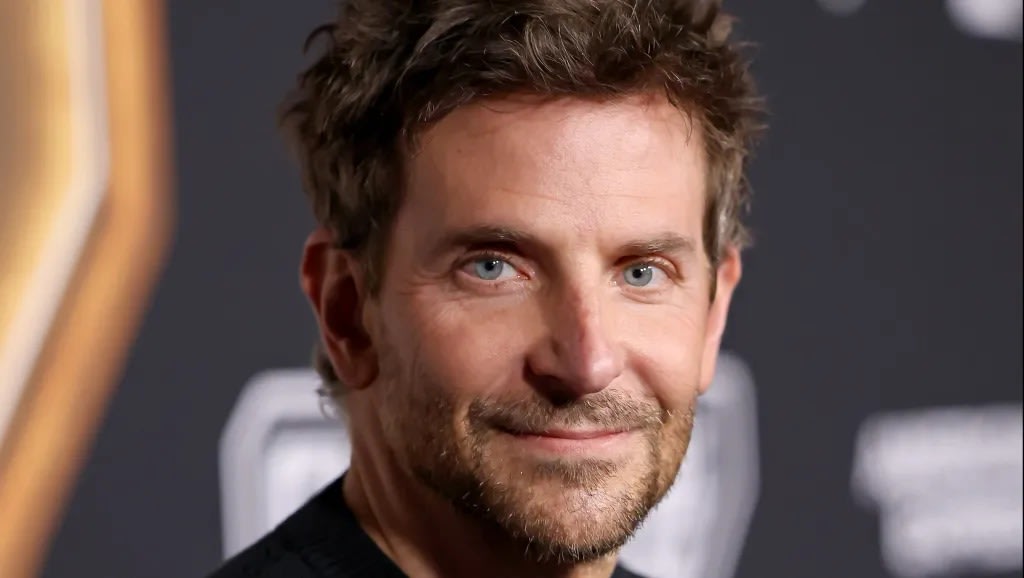
Bradley Cooper is often described as a movie star, but that label only tells part of the story. What makes him interesting is not just fame or talent, but how long it took for both to fully arrive. His career did not explode overnight. It grew through small roles, awkward risks, public missteps, and quiet persistence. Over time, Bradley Cooper became someone audiences trust to feel deeply on screen. He carries sadness, confusion, love, and regret in ways that feel familiar rather than polished. That honesty is why his work stays with people. To understand Bradley Cooper today, you have to look at the slow road behind him, not just the spotlight he stands in now.
Early Life and the Desire to Act
Growing Up With Creative Curiosity
Bradley Cooper was born in Philadelphia and raised in a close-knit family. His early life was not shaped by Hollywood ambition. Instead, it was shaped by curiosity. He played sports, studied hard, and explored interests without knowing where they would lead.
Acting was not an obvious path at first. Like many young people, he searched for direction. That search would later shape the kinds of characters he chose to play.
Education and Early Discipline
He studied English at Georgetown University, which gave him a strong connection to storytelling. Later, he trained at the Actors Studio Drama School. This formal training grounded him in craft rather than image.
That discipline mattered. It taught him patience in an industry that often rewards speed over depth.
The Struggle of Early Roles
Small Parts and Limited Recognition
Bradley Cooper’s early career included brief appearances in television and film. These roles rarely made headlines. He played supporting characters that many viewers barely noticed.
This stage of his career was frustrating. He later spoke openly about feeling overlooked. But these roles gave him experience and resilience.
Learning Through Rejection
Auditions did not always go well. Some opportunities slipped away. Others never came.
These moments of rejection shaped his understanding of failure. Instead of quitting, he learned how to wait and improve. That mindset would define his future choices.
Breakthrough Into Public Awareness
The Shift Toward Comedy
Many people first noticed Bradley Cooper through comedy. His role in a popular comedy film surprised audiences who had not seen him before.
Comedy allowed him to show confidence and timing. It also gave him visibility. However, it came with a risk. Being known only for humor can limit perception.
Escaping Typecasting
After early comedic success, Bradley Cooper faced a choice. He could stay in familiar territory or push into more challenging roles.
He chose the harder path. That decision slowed his career in the short term but deepened it in the long run.
Taking Risks With Serious Roles
Stepping Into Emotional Complexity
Bradley Cooper began selecting roles that required emotional exposure. These characters were flawed, uncertain, and often struggling.
Audiences saw a different side of him. He was no longer just entertaining. He was vulnerable.
This shift marked a turning point. Critics began to pay attention.
Physical and Mental Commitment
For some roles, Bradley Cooper changed his body, voice, and habits. These changes were not about appearance alone. They were about understanding character.
This commitment showed respect for storytelling. It also showed personal courage.
Recognition and Awards Attention
First Major Nominations
As his performances deepened, award recognition followed. Nominations brought validation but also pressure.
Bradley Cooper handled this attention carefully. He did not chase praise. He continued choosing roles that felt meaningful.
The Weight of Expectations
With recognition came expectations. Every new project was measured against previous success.
Rather than react defensively, he stayed consistent. That steadiness earned respect even when awards did not turn into wins.
Directing and Creative Control
Stepping Behind the Camera
At a certain point, Bradley Cooper felt the need to tell stories more fully. Directing allowed him to shape tone, pacing, and emotion.
His move into directing was personal. It was not about control for its own sake. It was about responsibility.
Balancing Multiple Roles
Directing while acting requires intense focus. Bradley Cooper approached this balance carefully.
He relied on preparation and trust in collaborators. The result felt intimate rather than overwhelming.
Exploring Fame and Its Cost
Characters Reflecting Personal Questions
Many of Bradley Cooper’s later roles explored fame, addiction, and identity. These themes felt personal, even when fictional.
Audiences sensed that connection. The performances felt lived-in rather than performed.
Public Life Versus Private Self
As his fame grew, Bradley Cooper became more private. He limited interviews and protected his personal life.
This choice reflected self-awareness. Fame can consume identity if left unchecked.
Bradley Cooper as a Leading Man
Redefining Masculinity on Screen
Bradley Cooper often plays men who are unsure, broken, or searching. These portrayals challenge traditional ideas of strength.
Strength in his characters comes from honesty, not dominance. That shift resonates with modern audiences.
Emotional Availability
Crying, failing, and admitting fear are common in his roles. These moments feel genuine rather than dramatic.
They invite viewers to see themselves, not an unreachable figure.
Collaborations That Shaped His Career
Working With Strong Directors
Bradley Cooper learned from experienced directors early in his career. These collaborations shaped his understanding of pacing and restraint.
He observed closely, absorbing lessons rather than seeking attention.
Building Trust With Co-Stars
His on-screen chemistry often comes from listening rather than performing. Co-stars have spoken about his attentiveness.
That quality strengthens emotional scenes and creates authenticity.
The Role of Music and Voice
Developing Vocal Expression
In some roles, Bradley Cooper trained his voice extensively. Singing or changing speech patterns added depth to characters.
This attention to sound expanded his expressive range.
Music as Emotional Language
Music allowed him to communicate emotion without dialogue. These moments often became the most memorable.
They showed his willingness to learn new skills for storytelling.
Aging in the Public Eye
Letting Time Show
Unlike many actors, Bradley Cooper has not tried to hide aging. He allows time to appear on his face and posture.
This choice aligns with his preference for realism. Aging becomes part of the character rather than a flaw to erase.
Roles That Reflect Maturity
As he grows older, his roles reflect experience and consequence. Youthful confidence has been replaced by reflection.
This evolution feels natural rather than forced.
Public Perception Versus Reality
Media Narratives
The media often focuses on relationships or awards. These narratives rarely capture the full picture.
Bradley Cooper remains careful about what he shares publicly.
Choosing Silence
Silence has become part of his public identity. He speaks when necessary and avoids constant commentary.
This restraint adds weight to his words when he does speak.
Influence Without Overstatement
Inspiring Through Consistency
Bradley Cooper does not present himself as a role model. Instead, he shows what persistence looks like.
His career offers a quiet example of growth through patience.
Impact on Younger Actors
Many younger actors cite his work as influential. Not because of fame, but because of emotional honesty.
That influence is subtle but lasting.
Handling Criticism and Disappointment
Awards Losses and Public Reaction
Despite multiple nominations, Bradley Cooper has experienced public losses. These moments could have led to bitterness.
Instead, he responded with grace. He acknowledged disappointment without resentment.
Staying Grounded
He often credits family and close friends for keeping him grounded. Success did not replace personal connection.
That grounding shows in his choices.
The Importance of Preparation
Research and Immersion
Before filming, Bradley Cooper studies extensively. He observes real people, habits, and environments.
This preparation allows him to disappear into roles.
Respect for Detail
Small details matter in his performances. A pause, a glance, a breath.
These choices create realism.
Fatherhood and Personal Growth
Life Changing Perspective
Becoming a father changed Bradley Cooper’s priorities. He became more protective of time and energy.
This shift influenced the roles he accepted.
Choosing Balance
He began turning down projects that required long absences. Family became central.
This balance reflects maturity rather than withdrawal.
Longevity in a Shifting Industry
Adapting Without Chasing Trends
Bradley Cooper has not chased trends. He adapts by staying curious, not reactive.
This approach keeps his work relevant.
Trusting Instincts
He trusts instincts shaped by experience. This trust guides his decisions more than external pressure.
That confidence comes from years of learning.
Why Bradley Cooper Still Matters
Emotional Connection With Audiences
Audiences return to his work because it feels honest. They see parts of themselves reflected back.
That connection is rare and earned.
A Career Built on Depth
Bradley Cooper’s career is not defined by a single role. It is defined by consistency and risk.
That depth gives his work lasting value.
Looking Ahead Without Predictions
Avoiding Expectations
Predicting the future of any actor is uncertain. Bradley Cooper seems comfortable with that uncertainty.
He chooses presence over planning.
Continuing the Work
Whatever comes next, it will likely follow the same pattern. Thoughtful choices, emotional honesty, and patience.
That approach has served him well.
Conclusion
Bradley Cooper’s career is a reminder that success does not need to be loud. It can be slow, uncertain, and deeply human. He did not arrive fully formed. He became who he is through mistakes, discipline, and vulnerability. That journey is visible in every performance. He carries the weight of experience without bitterness and the confidence of skill without arrogance. In an industry obsessed with speed and image, Bradley Cooper stands as proof that depth still matters. His work does not ask to be admired. It asks to be felt.
About the Creator
Muqadas khan
Hi! Welcome to my Vocal page. I’ll be sharing fresh articles every day covering stories, ideas, and a bit of inspiration to brighten your feed. Thanks for reading and supporting daily writing! 📖💫
Keep reading
More stories from Muqadas khan and writers in Humans and other communities.
Golden Globes 2026 Reflect a Changing Hollywood Awards Night
Award shows often feel distant from everyday life, but every so often, one night captures a deeper mood. The Golden Globes 2026 did exactly that. It was not just about trophies or fashion. It was about where Hollywood stands right now. Audiences are changing. Stories are changing. Expectations are changing too. This ceremony felt quieter in some ways, yet heavier with meaning. There was pride, discomfort, nostalgia, and uncertainty all sharing the same room. The Golden Globes have always been a mirror of the industry, and in 2026, that mirror showed both growth and lingering cracks. To understand why this night mattered, we need to look beyond the red carpet and into what the evening truly revealed.
By Muqadas khan7 days ago in Humans


Comments
There are no comments for this story
Be the first to respond and start the conversation.