
Born a Woman, Forced to Survive
A raw and honest reflection on gender-based violence, inequality, and the silent pain many women endure. This article is a call to action—for justice, for accountability, and for a future where womanhood is not a risk, but a right.

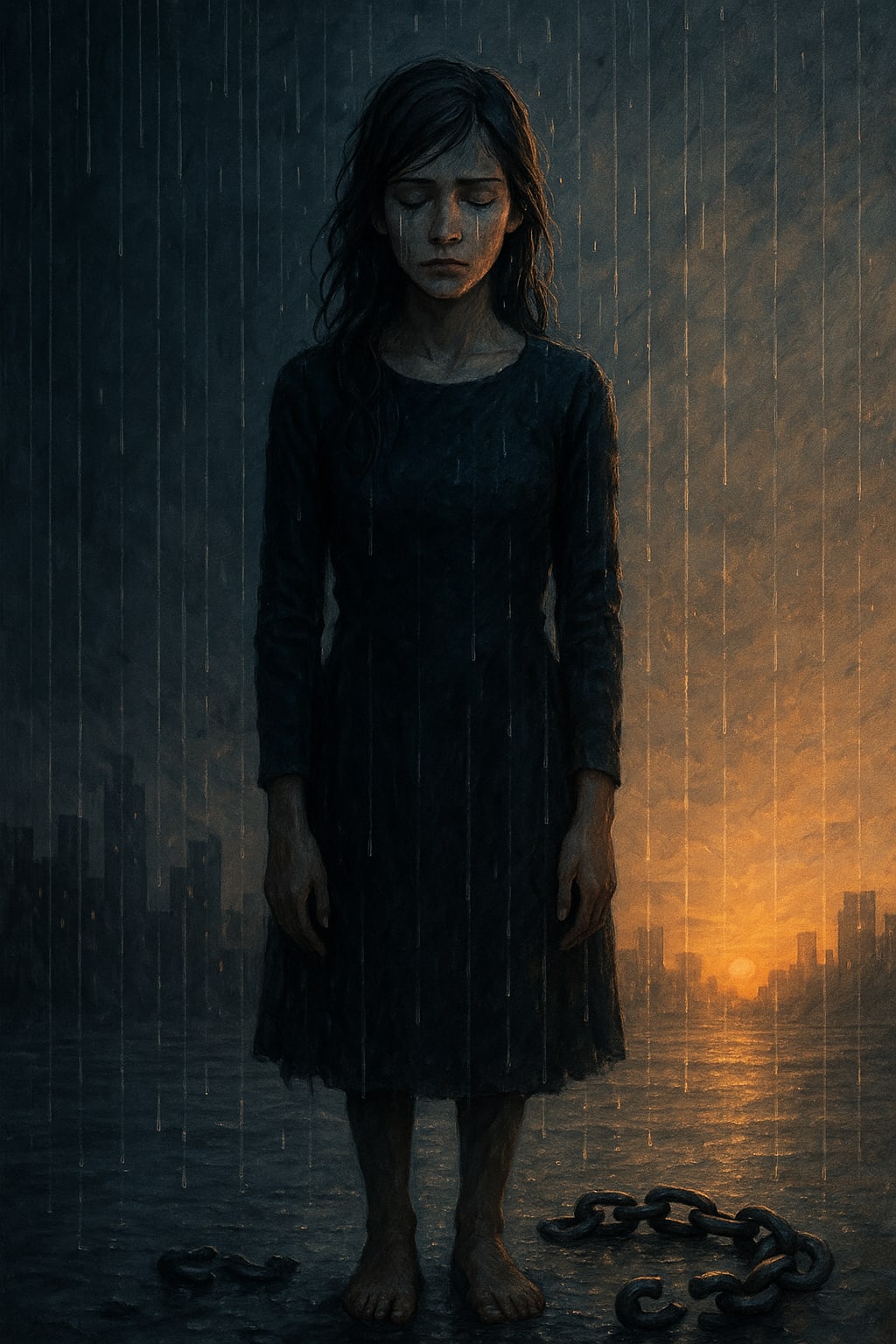
A raw and honest reflection on gender-based violence, inequality, and the silent pain many women endure. This article is a call to action—for justice, for accountability, and for a future where womanhood is not a risk, but a right.
I was raised in a small town where the word "woman" often came with expectations—quiet, obedient, forgiving. Over the years, I watched as friends, neighbors, and even relatives endured things they never spoke about. Not because they didn’t want to speak, but because no one wanted to listen.
I am writing this today not just as a journalist, but as a woman who has heard too many stories whispered in fear, too many tears shed behind locked doors, and too much silence mistaken for strength.
Every day, somewhere, a woman is beaten, silenced, or even killed—simply because she is a woman. We often hear about these tragedies as news headlines: “Another femicide. Another case of domestic abuse.” But behind every headline is a person—a daughter, a sister, a mother—whose life has been shattered.
These stories are not rare. They are horrifyingly common. Yet society treats them as isolated events. Many women are taught from a young age to endure, to protect their family's reputation, to stay silent.
Silence becomes survival. But silence should never be the price of survival.
Let’s be clear—violence against women is not just a "women’s issue." It is a human rights issue, a cultural problem, and a societal failure.
When women are abused, it's not just the abuser who is at fault. It is also the silence of the neighbors who hear and do nothing. The police who don’t intervene. The courts that delay justice. The family who urges her to forgive. The media who blames her for what she wore. The society that says, “She should’ve known better.”
We need to stop asking: “Why didn’t she leave?” And start asking: “Why did he feel entitled to control her?”
What Needs to Change?
- Education: We must teach boys from a young age that respect is non-negotiable. That "no" means no. That women are not property.
- Support Systems: Shelters, hotlines, legal aid, and psychological support must be accessible. No woman should feel she has nowhere to go.
- Accountability: Laws must be enforced. Abusers must face consequences. Silence must no longer be an option for institutions.
- Representation: More women in leadership, in politics, in the justice system means more voices to challenge the status quo.
To every woman reading this: You are not alone. Your pain is valid. Your voice matters. You deserve to be safe.
To every man reading this: Speak up. Challenge the jokes, the language, the excuses. Use your voice not to dominate, but to defend.
To every policymaker, teacher, journalist, neighbor, human being: Do not wait for another life to be lost before you act.
Being born a woman should not come with a warning label. It should not be a risk. It should not be a life spent surviving.
We deserve to live, not just to endure. To be heard, not silenced. To be free, not afraid.
Because equality is not an idea. It is a right. And justice is not optional. It is overdue.
About the Author – Etleva Skonja
Etleva Skonja is an Albanian journalist, editor, and media professional with over two decades of experience across national and regional media in Albania and Kosovo.
She has led editorial teams, managed impactful civic projects, and contributed deeply to social justice narratives—especially on women’s rights, community development, and accountability.
She is the founder and director of EVerteta.al, a platform committed to truth and transparency in media. Etleva believes that journalism is not just about telling stories—but about giving voice to the silenced and holding power to account.
About the Creator
E verteta.al
Etleva Skonja is an Albanian journalist, editor, and media professional with over two decades of experience across national and regional media in Albania and Kosovo.
She is the founder and director of EVerteta.al.
Keep reading
More stories from E verteta.al and writers in Humans and other communities.
From Unfit for the Bench to “Heads” of the Classroom?/ The New Justice System Taught by the Old One
By Etleva Skonja The restructuring of Albania’s justice system through the vetting process has been one of the deepest and most controversial interventions in the judiciary. Hundreds of judges and prosecutors have been dismissed due to failure to justify their assets, connections with criminal elements, or breaches of professional integrity. But a new and troubling debate has emerged: Should these former magistrates be allowed to teach at the School of Magistrates?
By E verteta.al7 months ago in Journal


Comments (1)
This article hits home. I've seen firsthand how society's silence enables abuse. We need to change the narrative and hold everyone accountable, not just the abusers. It's crucial to educate boys about respect and break the cycle of blaming victims. We can't keep turning a blind eye to this human rights issue.