
Beethoven’s Immortal Beloved: The Eternal Mystery of a Love Lost in Time
The Hidden Passion Behind Beethoven's Greatest Works

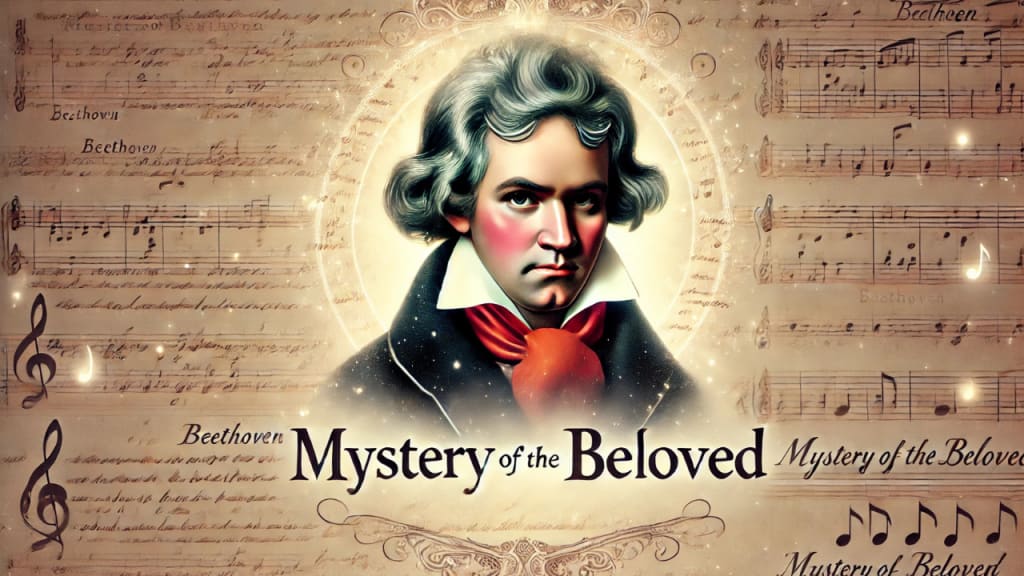
Ludwig van Beethoven—a name synonymous with musical genius, tempestuous moods, and the kind of brilliance that reshaped classical music forever. But buried beneath the thundering notes of his symphonies lies a secret that has puzzled historians and romantics alike for centuries. Who was the "Immortal Beloved," the enigmatic figure to whom Beethoven penned one of the most passionate and heart-wrenching love letters in history? While the world reveres his music, this mystery reminds us that the man behind the compositions was as deeply human—and deeply complicated—as the rest of us.
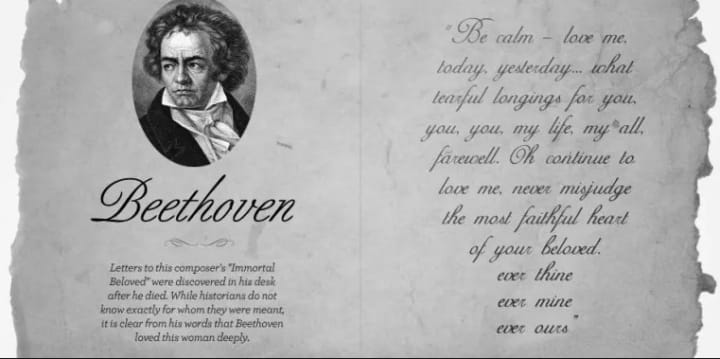
The Letter That Started It All
It was in 1827, after Beethoven’s death, that the infamous letter came to light. Nestled among his personal belongings was a draft of an unsent letter addressed to an "Immortal Beloved." The letter, dated July 6-7, 1812, was an emotional torrent of longing, devotion, and torment. Beethoven wrote of sleepless nights, desperate yearning, and an unshakable bond, calling his beloved his "eternal partner."
But here’s the kicker: he never named this mysterious muse. Not once in the three pages of impassioned prose did Beethoven drop a single clue about her identity, leaving the world to fill in the blanks. It was the perfect setup for a centuries-long guessing game.
The Suspects: A Lineup of Remarkable Women
Beethoven wasn’t exactly a playboy, but his life was peppered with fascinating women who could have fit the bill. Let’s dive into the shortlist of contenders, each with her own compelling connection to the maestro.
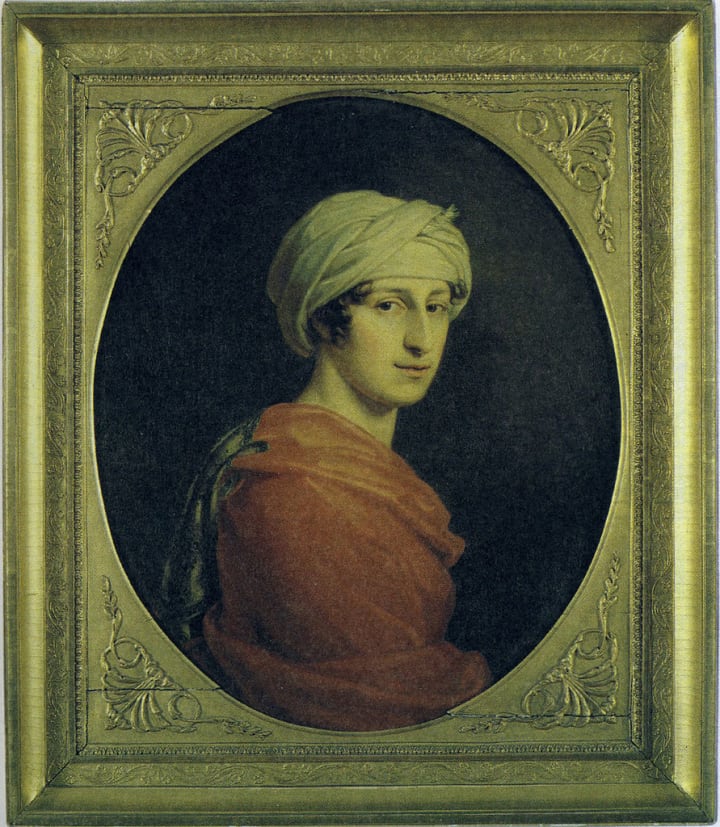
1. Antonie Brentano
The name Antonie Brentano frequently tops the list of suspects. A Viennese socialite married to a wealthy merchant, Antonie shared a close friendship with Beethoven. Some letters and diary entries suggest a deep, possibly romantic bond. Antonie’s timeline matches up too—she was in Prague during the summer of 1812, the same time Beethoven wrote the letter.
But here’s the twist: Antonie’s marriage to Franz Brentano was reportedly happy, and there’s no concrete evidence that she ever reciprocated Beethoven’s feelings. Was she the one who captured his heart, or was he pining for someone unattainable?
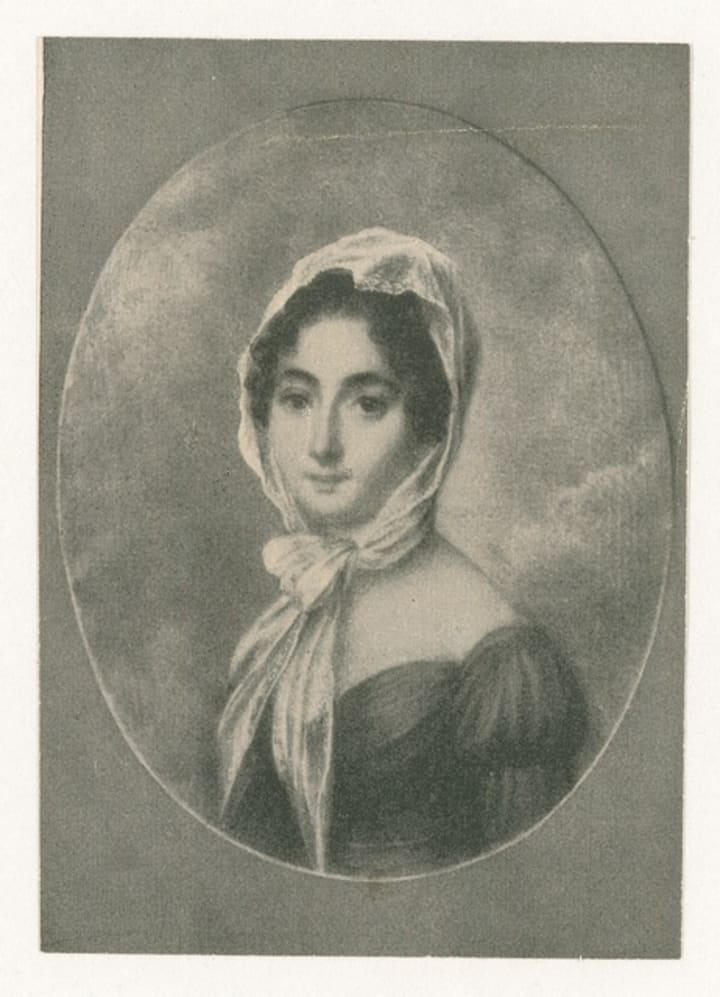
2. Josephine Brunsvik
Josephine Brunsvik, a Hungarian countess, was another contender. Beethoven gave her piano lessons, and their relationship reportedly veered into romantic territory. Josephine’s marriage to Count Joseph Deym ended in 1804, leaving her a widow. Could Beethoven have seen this as an opportunity to win her love?
Unfortunately for Ludwig, Josephine faced immense societal pressure to marry someone of her own social standing. Though their correspondence was filled with affection, it seemed doomed from the start. Still, many scholars believe she was the great love of Beethoven’s life, and the timeline of their relationship lines up suspiciously well with the "Immortal Beloved" letter.
3. Therese Malfatti
Ah, Therese Malfatti—the one who got away (and possibly laughed at Beethoven’s awkward marriage proposal). The daughter of a wealthy Viennese family, Therese was young, cultured, and a favorite among Beethoven’s circle of friends. Some believe Beethoven wrote his famous "Für Elise" for her, though others argue the piece wasn’t about her at all.
But while Therese’s charm and proximity to Beethoven make her a tempting candidate, there’s little evidence she ever saw him as more than a family friend. And honestly, would you immortalize someone who turned down your proposal? Ouch.
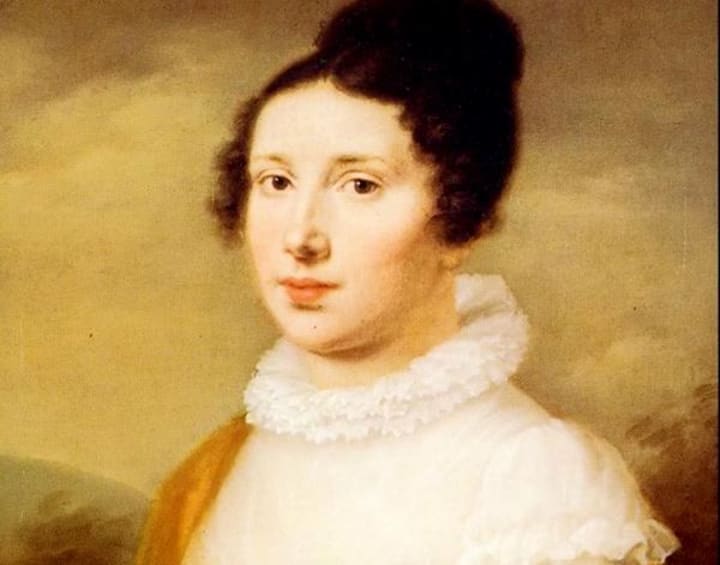
4. Bettina Brentano
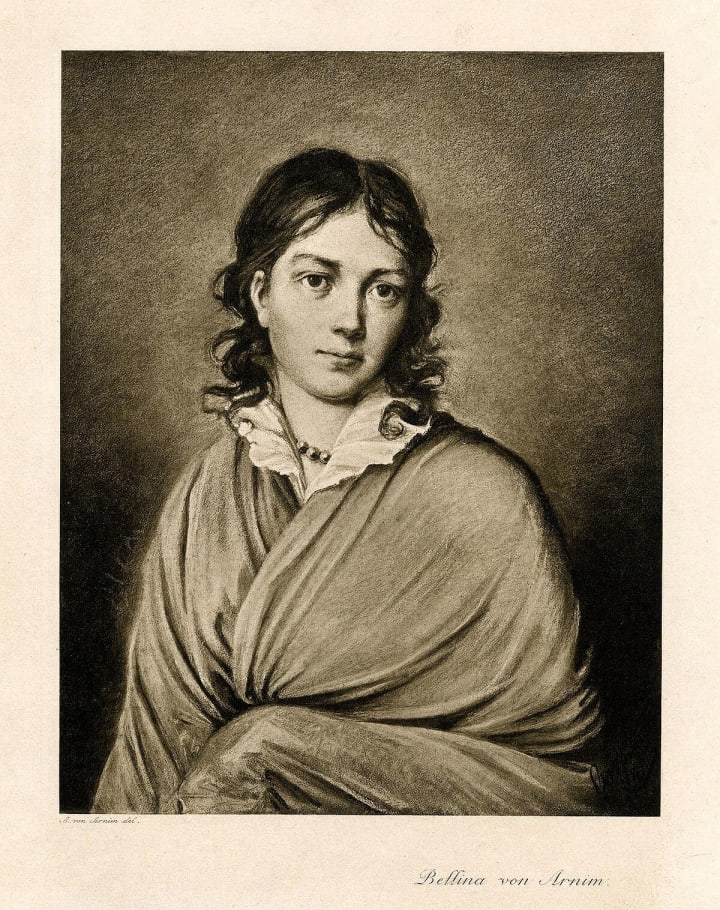
Let’s not forget Bettina Brentano, Antonie’s sister-in-law and a fiery intellectual who enjoyed Beethoven’s company. While Bettina’s letters to Beethoven show admiration, they also reveal that she was more interested in his genius than in becoming his muse. Some historians dismiss her as a long shot, but in a mystery like this, every suspect deserves their time in the spotlight.
The Summer of 1812: Clues and Speculation
Beethoven wrote the letter during a summer retreat in the spa town of Teplitz (modern-day Teplice, Czech Republic). Coincidentally—or perhaps not—several of the women in his life were also traveling through the region that summer. Letters, travel records, and Beethoven’s famously messy personal life suggest he may have met with his beloved in secret, though details remain maddeningly scarce.
Adding fuel to the fire, Beethoven’s friends and contemporaries remained tight-lipped about the affair. Whether out of loyalty, ignorance, or a sense of decorum, they took their knowledge to the grave.
Why Didn’t He Send the Letter?
This is the million-dollar question. If Beethoven’s love was so consuming, why did he keep the letter unsent? Was it a matter of timing? Did his beloved reject him, or was their relationship too scandalous to ever see the light of day? Some theorists suggest that societal pressures—Beethoven was a commoner, after all—made the union impossible. Others think the letter was more catharsis than communication, a way for Beethoven to pour out his emotions without risking rejection.
Whatever the reason, the unsent letter adds another layer of poignancy to the mystery. It’s a love story frozen in time, incomplete and unresolved.
Beethoven - The Greatest Composer Documentary
The Music Speaks
If Beethoven’s words don’t give us all the answers, perhaps his music does. Many scholars point to his "Piano Sonata No. 27" in E minor and his "Symphony No. 9" as reflections of his inner turmoil and longing. These pieces, with their sweeping melodies and emotional intensity, feel like love letters in their own right—messages meant for an audience of one.
A Mystery That Endures
The identity of Beethoven’s Immortal Beloved is unlikely to be definitively solved. And maybe that’s for the best. Mysteries like this allow us to see the humanity in historical figures, reminding us that even geniuses grappled with unrequited love, heartbreak, and longing.
In the end, Beethoven’s greatest romance wasn’t just with a single woman—it was with life, love, and the music that outlasts us all. So, as you listen to his symphonies, remember the man behind the notes, eternally yearning, eternally creating, and eternally searching for his Immortal Beloved.
About the Creator
Keep reading
More stories from Marveline Merab and writers in Humans and other communities.
Forbidden Love: How Mildred and Richard Loving Changed the Course of American History
In a small, unassuming courtroom in 1967, two people sat shoulder to shoulder. No fiery speeches. No banners waving. Just quiet defiance in the eyes of a husband and wife—Richard and Mildred Loving. They weren’t trying to change the world; they just wanted to love each other. But their forbidden romance, born in rural Virginia, sparked a revolution, tearing down unjust laws and proving that love has no boundaries. Their courage didn’t just echo—it roared, forever changing the course of history.
By Marveline Merababout a year ago in Humans
Miss Persephone's Manual to a Seemingly Ordinary Life
Miss Persephone was found at the dining table, her blue eyes swollen, her tears arriving and retreating like the tides of the ocean. Earlier that day, her family had visited her in the retirement home where she had lived for eight years. It was her eightieth birthday.
By Imola Tóth4 days ago in Fiction


Comments (1)
Who was she? We'll never know...but I suspect t it was tied into his loss of hearing.