
Atomic Habits: The Ultimate Guide to Building Lasting Change in Your Life
Transform Your Habits and Achieve Your Goals with James Clear's Four-Step Model and Advanced Techniques for Habit Formation


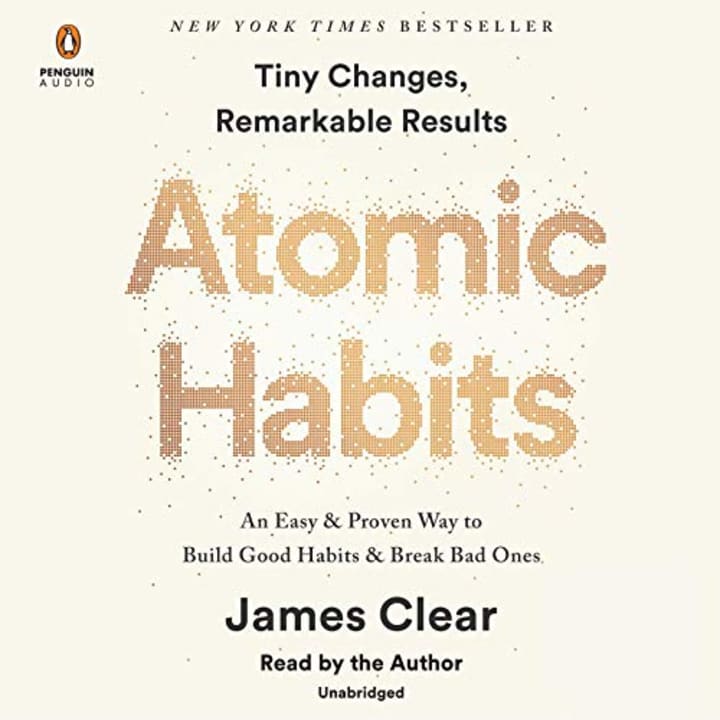
Habits are a fundamental part of our daily lives. From the moment we wake up until we go to bed, we are constantly performing habits, both good and bad. The power of habits is undeniable - they can shape our behavior, our health, and our success in life.
In his book "Atomic Habits," James Clear provides a practical and science-based approach to building good habits and breaking bad ones. The book is based on Clear's four-step model for habit formation, which emphasizes the importance of making habits satisfying, and his four laws of behavior change, which provide a framework for creating lasting change.
In this article, we'll dive deeper into the key concepts of "Atomic Habits" and explore how you can use them to improve your own habits and achieve your goals. Whether you're looking to improve your health, advance your career, or build better relationships, the lessons in this book can help you create positive change in your life. So, let's get started!
In "Atomic Habits," James Clear presents a four-step model for building good habits and breaking bad ones. This model is based on the "habit loop," which consists of three parts: cue, behavior, and reward. The cue is the trigger that prompts the behavior, the behavior is the habit itself, and the reward is the positive outcome that reinforces the behavior.
Clear's four-step model is as follows:
Make it obvious: The first step in building a good habit is to make it obvious. This means identifying the cue that triggers the behavior and making it more visible. For example, if you want to start exercising in the morning, you could lay out your workout clothes the night before so they are visible when you wake up.
Make it attractive: The second step is to make the habit attractive. This means finding ways to make the behavior more enjoyable or satisfying. For example, if you want to start eating healthier, you could try new recipes that are both healthy and tasty.
Make it easy: The third step is to make the habit easy. This means breaking the behavior down into smaller, manageable steps that are easy to accomplish. For example, if you want to start meditating, you could start with just one minute per day and gradually increase the time.
Make it satisfying: The fourth and final step is to make the habit satisfying. This means creating a positive outcome or reward that reinforces the behavior. For example, if you want to start reading more, you could reward yourself with a new book after finishing one.
By following this four-step model, you can build good habits that are more likely to stick. The key is to make the behavior satisfying and enjoyable, so it becomes a natural part of your daily routine. In the next part of this article, we'll explore Clear's four laws of behavior change, which provide a framework for creating lasting change.
In addition to his four-step model, James Clear also presents four laws of behavior change in "Atomic Habits." These laws provide a framework for creating lasting change and building good habits.
1. Make it obvious: The first law is to make the behavior obvious. This means making the cue more visible or noticeable. For example, if you want to start drinking more water, you could place a water bottle on your desk as a reminder to drink throughout the day.
2. Make it attractive: The second law is to make the behavior attractive. This means finding ways to make the behavior more enjoyable or appealing. For example, if you want to start exercising, you could join a group fitness class or workout with a friend to make it more social and fun.
3. Make it easy: The third law is to make the behavior easy. This means reducing the friction or barriers to the behavior. For example, if you want to start eating healthier, you could prep healthy meals in advance to make it easier to stick to your plan.
4. Make it satisfying: The fourth law is to make the behavior satisfying. This means creating a positive outcome or reward that reinforces the behavior. For example, if you want to start saving money, you could reward yourself with a small treat each time you reach a savings goal.
By following these four laws, you can create an environment that supports good habits and makes it easier to stick to them. By making the behavior obvious, attractive, easy, and satisfying, you can create a positive feedback loop that reinforces the behavior and makes it more likely to stick.
In the next part of this article, we'll explore some advanced techniques for habit formation, including the role of identity and the importance of environment.
While the four-step model and four laws of behavior change are powerful tools for building good habits, James Clear also presents some advanced techniques for habit formation in "Atomic Habits." These techniques include the role of identity and the importance of environment.
The Role of Identity: Clear argues that identity is a key factor in habit formation. When we identify with a particular behavior or habit, it becomes a part of our self-image and is more likely to stick. For example, if you identify as a runner, you are more likely to make running a regular part of your routine. To strengthen your identity around a particular habit, Clear suggests using affirmations or visualizations to reinforce your beliefs about yourself.
The Importance of Environment: Clear also emphasizes the importance of environment in habit formation. Our surroundings can either support or hinder our habits, so it's important to design an environment that makes good habits more likely. For example, if you want to eat healthier, you could remove unhealthy snacks from your kitchen and replace them with healthy options. If you want to read more, you could create a cozy reading nook in your home.
The Two-Minute Rule: Another advanced technique for habit formation is the two-minute rule. This rule states that you should make the habit so easy that it can be done in just two minutes. For example, if you want to start a daily meditation practice, you could start with just two minutes of meditation per day and gradually increase the time. The idea is to make the habit so easy that it becomes automatic and requires very little willpower.
By incorporating these advanced techniques into your habit formation strategy, you can create an environment that supports your goals and makes it easier to stick to your habits over the long term. By strengthening your identity around the habit and making it as easy as possible to accomplish, you can create a positive feedback loop that reinforces the behavior and makes it more likely to become a natural part of your daily routine.Sure, here are Parts 4 and 5 of the article:
Even with the best intentions and strategies, building good habits can be challenging. James Clear recognizes that obstacles and setbacks are a natural part of the process, and he offers several strategies for overcoming them and staying on track.
1. Focus on the process, not the outcome: Clear suggests focusing on the daily process of building good habits rather than the ultimate outcome. By focusing on the small, incremental improvements you're making each day, you can stay motivated and avoid getting discouraged by slow progress.
2. Embrace the "Plateau of Latent Potential": Clear also notes that progress is not always linear and that there may be periods of time where it seems like you're not making any progress. He calls this the "Plateau of Latent Potential," and he suggests that these periods are actually an opportunity for growth and improvement. By continuing to put in the work and staying consistent, you can break through the plateau and make significant progress.
3. Have a plan for setbacks: Finally, Clear suggests having a plan in place for when setbacks occur. Whether it's a missed workout or a lapse in healthy eating, having a plan for how to get back on track can help you stay consistent and avoid falling off the wagon completely.
In "Atomic Habits," James Clear provides a comprehensive guide to building good habits and breaking bad ones. By following his four-step model, four laws of behavior change, and advanced techniques for habit formation, you can create an environment that supports your goals and makes it easier to stick to your habits over the long term.
While building good habits can be challenging, Clear emphasizes that consistency is key. By focusing on the process rather than the outcome, embracing the "Plateau of Latent Potential," and having a plan for setbacks, you can stay on track and make lasting changes in your life.
In conclusion, "Atomic Habits" is a must-read for anyone who wants to build better habits and create lasting change in their lives. With its practical advice, clear strategies, and actionable tips, this book has the power to transform the way you approach habit formation and help you achieve your goals.
About the Creator
Ijlal Thufail
I'm a highly motivated and detail-oriented professional with 3 years of experience as content creator
Keep reading
More stories from Ijlal Thufail and writers in Humans and other communities.
3 Best Gaming Laptops
Gaming has become one of the most popular forms of entertainment in recent years, and for serious gamers, having a powerful and reliable laptop is essential. With so many gaming laptops available on the market, it can be overwhelming to choose the right one. In this article, we will discuss the top three gaming laptops that have stood out from the competition: the ASUS ROG Zephyrus G14, the MSI GS66 Stealth, and the Razer Blade 15 Advanced. These three laptops have been chosen based on their impressive specifications, features, and overall performance. Whether you're a casual gamer or a professional streamer, this article will provide you with all the necessary information to make an informed decision and choose the best gaming laptop that suits your needs and budget.
By Ijlal Thufail3 years ago in Gamers
Co-Living Impacts Dating Dynamics Communication And Emotional Connection Significantly
Dating is greatly affected by co-living, in which couples or partners live together in one house. It brings about quick intimacy and interaction in real life and one gets a chance to learn about routines, habits, and preferences. Shared space brings intimacy as well as it reveals the possible difference of lifestyle including cleaning, schedules, and personal boundaries.
By Mark Hipster7 days ago in Humans




Comments
There are no comments for this story
Be the first to respond and start the conversation.