
article World must act with urgency to save Palestinians in Gaza
save palestinians
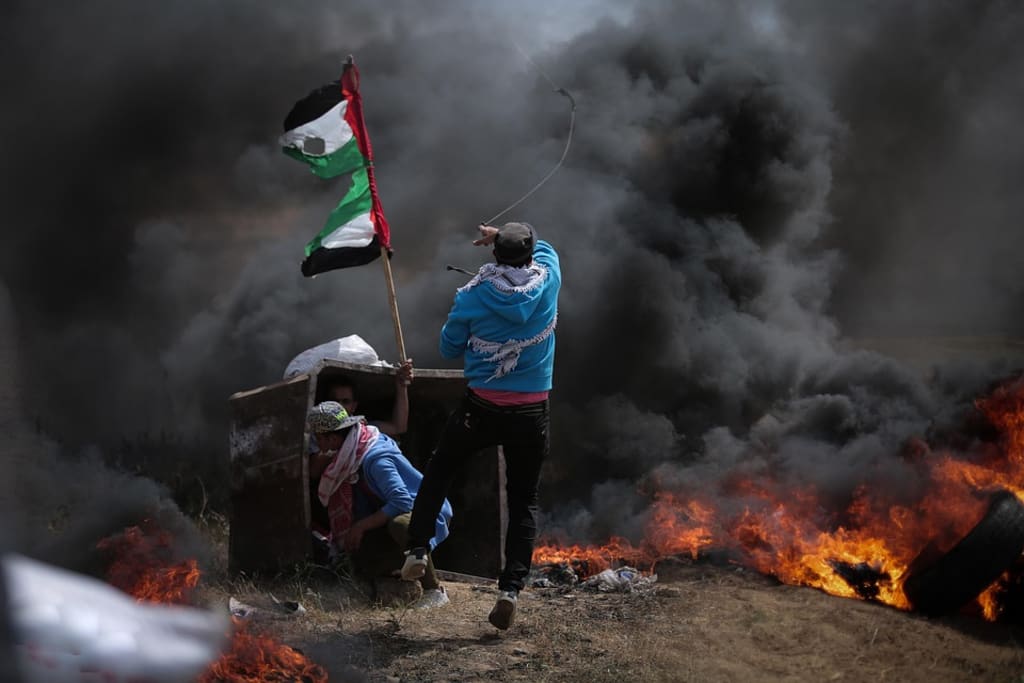
To save Palestinians in Gaza, the world must act immediately. Gaza is swollen. Everybody is watching. Not only is the situation in the Gaza Strip a humanitarian emergency, but it is also a full-blown catastrophe brought on by unrelenting violence, political stagnation, and neglect from the international community. As civilian casualties mount and critical infrastructure collapses under the weight of relentless bombardment and blockade, it has become clear that platitudes and passive diplomacy are no longer acceptable. The time for urgent, coordinated global action is now.
A Humanitarian Hellscape
Gaza, a narrow coastal strip home to more than 2 million Palestinians, has become synonymous with suffering. The region has experienced unprecedented levels of destruction in recent months. Tens of thousands of people have been killed, wounded, or missing after being targeted in homes, hospitals, schools, and even refugee camps. More than half of Gaza’s population has been displaced, often multiple times, seeking refuge where none exists.
The basic necessities of life—clean water, food, medical care, and electricity—are nearly inaccessible. The years of blockade have already damaged Gaza's healthcare system, which is about to fail. Doctors are operating without anesthesia, treating burns with vinegar, and performing surgeries by flashlight. In addition to airstrikes, children are dying from starvation and dehydration. This is not collateral damage. It is a systemic dismantling of a society, and it cannot be justified under the guise of self-defense or counterterrorism. The international community's conscience must react when the distinction between combatant and civilian disappears. Complicity Through Silence
For what is going on in Gaza, the international community bears moral responsibility. While governments make statements of concern and call for restraint, these statements are meaningless unless they are accompanied by actual actions. Worse still, some of the most powerful nations in the world continue to supply weapons and financial support to the parties perpetrating the violence, making them complicit in the suffering.
Human rights groups, humanitarian organizations, and the United Nations have all documented violations of international law in Gaza on a regular basis. Yet accountability remains elusive. Vetoes in the UN Security Council block meaningful resolutions. Aid shipments are delayed or denied. And global powers play politics while children die beneath the rubble.
Silence in the face of injustice is not neutrality—it is complicity. The world cannot claim ignorance. It can only claim indifference.
A People Abandoned
Palestinians in Gaza are not a monolith of militants; they are families, students, artists, engineers, and dreamers. They are people who have endured decades of occupation, siege, and displacement. They are people who have lived most of their lives under military control, denied basic freedoms, and locked into a future that offers little hope.
Every airstrike that destroys a home, every missile that hits a hospital, is not just a physical attack—it is an attack on the dignity and humanity of a people already stretched to their limits. And yet, the Palestinian spirit endures. That resilience is a call to action rather than an excuse to do nothing. What Requires Action The path forward requires more than rhetoric—it requires resolve. To put an end to the violence and begin the long journey toward peace and justice, the international community must act boldly and immediately. Immediate Ceasefire: A total and verifiable ceasefire must be enforced, without preconditions. Continued military operations only deepen the humanitarian crisis and make future reconciliation more difficult.
Unrestricted Humanitarian Access: Aid organizations require unrestricted access to deliver shelter, water, food, and medical supplies. International guarantees should be used to establish humanitarian corridors and safeguard them. End the Blockade: The blockade of Gaza, now entering its 18th year, must be lifted. This collective punishment has stifled economic growth, destroyed public health, and turned Gaza into an open-air prison. Without trade and mobility freedom, recovery is impossible. Accountability for War Crimes: Independent investigations must be launched to examine alleged war crimes committed by all parties. Under international law, perpetrators must be held accountable, regardless of position or nationality. Long-term Political Solutions: A sustainable peace can only be achieved through addressing the root causes of the conflict—occupation, displacement, inequality, and the denial of basic Palestinian rights. Justice must take precedence over appeasement in diplomacy. A Test of Global Understanding History will remember this moment. It will remember whether the global community rose to defend the rights of the oppressed or allowed politics and profit to override human dignity. The images of lifeless children pulled from rubble, of hospitals turned to ash, and of families weeping in the streets—these are not scenes from a distant war. They are a reflection of our collective failure to protect the most vulnerable among us.
To save Gaza is to affirm that every human life holds value, regardless of race, religion, or geography. It is to declare that justice must not be selective and that empathy must not be conditional.
Conclusion
The time for half-measures is over. To save the Palestinians in Gaza, the world must act quickly, courageously, and clearly. This is not only a call to action—it is a plea for humanity. Because if we fail now, we do not just betray the people of Gaza. We violate the very tenets upon which our international community is founded.
About the Creator
Keep reading
More stories from Samudra Nandan and writers in Humans and other communities.
The Bengali New Year is being celebrated with Bangla Noboborsho.
The Bengali New Year is being celebrated with Bangla Noboborsho. The first day of the Bengali calendar is Bangla Noboborsho, also known as Pohela Boishakh. Celebrated with great enthusiasm across Bangladesh and in Bengali communities around the world, this festival is not just the beginning of a new year—it is a cultural phenomenon, a time for unity, reflection, and festivity. Observed on the 14th or 15th of April, Noboborsho cuts across religious and social lines, uniting people through shared traditions and joy.
By Samudra Nandan10 months ago in History
Whiskey At Dusk
Guess the whiskey was more important to you in the end, wasn’t it? It was more than the well-being of your friends; more vital than showing up to the places you promised you would and could come to; more critical of a matter than fulfilling your damn responsibilities and getting the press off your back.
By Snarky Lisa2 days ago in Humans
Libra Woman and Gemini Man Compatibility Score
When a Libra woman and a Gemini man come together, it often feels like two best friends falling in love. Both are Air signs, ruled by intellect, communication, and social energy. Their connection tends to be light, exciting, and mentally stimulating from the very first meeting. This is not the type of relationship that feels heavy or dramatic. Instead, it flows naturally, full of laughter, late-night conversations, and shared adventures.
By Inspire and Fun2 days ago in Humans



Comments
There are no comments for this story
Be the first to respond and start the conversation.