
Are You Worried About At Home Patient Care? 3 Ideas That Can Help
As the world has changed so has health, here's some ways to use those advances in your favor.

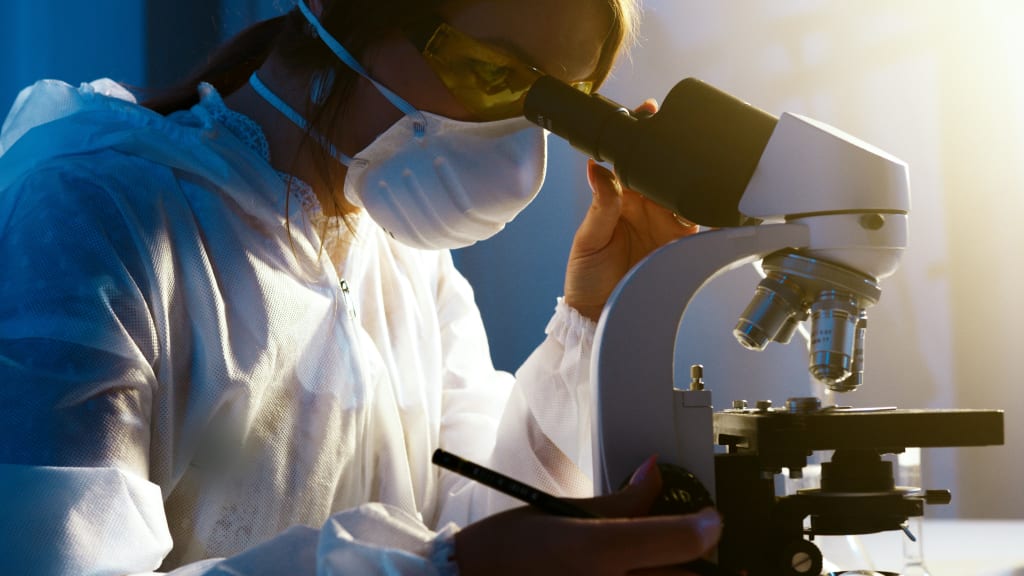
Making sure patients are well and happy at home is an increasing issue for many families in today's hectic society. With more people choosing to recover in the comfort of their own homes rather than in hospitals or care facilities, there is a growing demand for efficient at-home care options. This change necessitates the use of creative patient care strategies that can help the patient as needed without sacrificing their high standard of living.
Implementing Telehealth Services for Comprehensive Care
The delivery of healthcare has been completely transformed by telehealth services, which provide patients who need ongoing medical treatment a lifeline without requiring them to leave their homes. These services make healthcare more comfortable and accessible by enabling remote consultations, diagnosis, and treatment via the use of telecommunications technology. Through telehealth, patients can communicate with medical experts via text, phone, or video call, ensuring they get prompt assistance and guidance.
The capacity of telehealth to provide ongoing monitoring and follow-up treatment is one of its main benefits. Consultations with healthcare specialists on a regular basis are essential for managing chronic diseases. These regular meetings are made possible via telehealth, which improves the way diseases like diabetes, hypertension, and heart disease are managed. Without having to attend a clinic, patients can discuss their problems, obtain advice for their lifestyle, and have their medicine adjusted. In addition to saving time and lowering stress, this also lowers the chance of infection, which is crucial for those with weakened immune systems. Furthermore, telemedicine services improve coordination between patients, carers, and medical professionals. Careers can join in consultations and make sure they understand the patient's care plan and how to properly apply it at home by scheduling virtual visits with ease.
Utilizing Remote Patient Monitoring for Continuous Oversight
Remote patient monitoring (RPM) is an additional innovative approach that has the potential to greatly improve patient treatment at home. Using wearable technology and sensors, RPM continually monitors health indicators and vital signs, sending real-time data to healthcare experts. By facilitating early intervention and averting problems, this technology enables proactive treatment of medical disorders.
Patients recuperating from major operations or those with chronic conditions benefit most from the usage of RPM. Numerous health factors, including heart rate, blood pressure, glucose levels, and oxygen saturation, can be monitored via wearable technology. Healthcare experts then examine this data to look for any alarming patterns and, if needed, take prompt action. For instance, an abrupt increase in blood pressure can set off an alarm, causing a medical professional to get in touch with the patient and modify their prescription or provide further advice. Additionally, a good remote patient monitoring company gives patients and their families a feeling of security and comfort. It might reduce anxiety to know that a medical expert is keeping an eye on their health and reassures them that any problems will be taken care of right away.
Providing Specialized Training for Caregivers
In at-home patient care, carers are essential since they often handle complicated medical issues and look out for the patient's general well-being. Carers need specialized training that gives them the skills and expertise to manage many areas of care in order to help patients efficiently. In order to guarantee that carers are adequately equipped to provide high-quality care at home, this training might cover a wide variety of subjects, from fundamental medical procedures to sophisticated care methods.
The management of medical equipment and the administration of medicine are two crucial areas of career training. To make sure the patient follows their recommended treatment plan, carers need to be well-versed in medication schedules, doses, and any side effects. Moreover, comprehensive care requires instruction on the use of medical equipment such as oxygen tanks, insulin pumps, and mobility aids. Gaining proficiency in these areas can help carers ensure patients use medical devices safely and appropriately and avoid medication mistakes. Recognizing and handling medical crises is a critical component of career education. Caretakers need to get training on how to spot deterioration or complications, such as breathing difficulties, excruciating pain, or altered awareness. It can save lives to know when and how to get medical attention.
Conclusion
Improving patient care while they are at home necessitates a multimodal strategy that makes use of contemporary technologies and gives carers the training they need. Families can provide the finest assistance possible for their loved ones and foster comfort, health, and peace of mind in the home by using these creative solutions.
About the Creator
Stephanie Snyder
Stephanie Caroline Snyder graduated from The University of Florida in 2018; she majored in Communications with a minor in mass media. Currently, she is an Author, a Freelance Internet Writer, and a Blogger.
Keep reading
More stories from Stephanie Snyder and writers in Humans and other communities.
5 Gifts to Commemorate a New Baby
The occasion of a newborn baby is one of the most significant events that triggers overwhelming feelings of happiness. For many, it is the start of an adventure, of love, discovery, and a fresh chance to make memories for life. When relatives and friends come to visit them after the arrival of a new family member, a gift search becomes one of the ways to celebrate this important moment.
By Stephanie Snyderabout a year ago in Humans
Lost and Alone in the French Alps
Looking back, I can trace some of my life’s biggest adventures to a simple action from my sister. She’d introduced me to Tommy (a very long time ago), a colleague of hers, who had overshared his penchant for Italian-looking women, and I ticked that box.
By Chantal Christie Weiss20 days ago in Humans
How Porn Culture Influences Expectations and Real Life
Pornography has become a mainstream cultural force in Western societies. High-speed internet, smartphones, and social platforms have made adult content instantly accessible. For many adults, porn is encountered long before real relationships begin. This early and repeated exposure shapes beliefs about sex, intimacy, bodies, and performance. Understanding its influence helps people separate fantasy from reality and build healthier connections.
By Artical Media3 days ago in Humans



Comments
There are no comments for this story
Be the first to respond and start the conversation.