
Are You Getting Enough Essential Vitamins and Minerals?
5 Warning Signs You May Have a Nutrition Deficiency

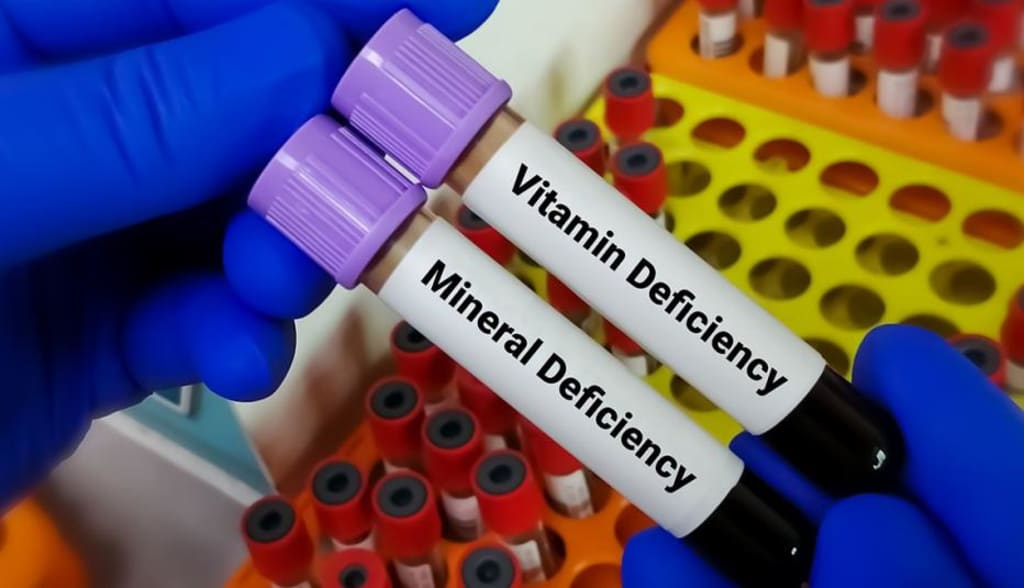
Are you concerned about whether you're getting enough essential vitamins and minerals? Research shows that this is a common concern among older adults in the U.S. In fact, the majority of people aged 55 and older rely on dietary supplements. And for good reason. When our bodies lack essential vitamins and minerals, it can lead to physical symptoms such as fatigue and muscle aches. Moreover, nutrient deficiencies have also been linked to chronic diseases like diabetes and osteoporosis. In this article, we will explore different nutrient deficiencies and their warning signs, as well as provide insights from Sameera Talegawkar, an associate professor of exercise and nutrition sciences at George Washington University in Washington, D.C.
How to Detect a Deficiency
It's important to note that the only way to know if you have a nutrient deficiency is by scheduling a doctor's visit. Your doctor may conduct blood tests to assess your vitamin and mineral levels. It's particularly challenging to diagnose deficiencies in older age due to the presence of chronic diseases and the use of medications. Therefore, your doctor must carefully consider these factors and their potential impact on nutrient absorption. According to Talegawkar, "Each nutrient has a physiological function in the body. So, if you have a deficiency, there's going to be a consequence. It is important for a physician to take a look at what medications and what health conditions are present before you can diagnose. Some medications might have side effects, which could therefore cause a nutrient deficiency."
Make sure to consult a healthcare provider if you experience any of the following symptoms:
Fatigue, Bone Pain, Muscle Weakness
Feeling tired? Experiencing bone pain? Having muscle weakness? These could be signs that you're lacking vitamin D. This vitamin is crucial for bone health as well as the health of your nervous, musculoskeletal, and immune systems. Older adults and people with darker skin or those who live in areas with limited sunlight are at a higher risk of vitamin D deficiency. Other symptoms of low vitamin D levels include muscle spasms, cramps, tingling sensations, voice box spasms, and changes in personality.
Where to find vitamin D: You can find vitamin D in foods like fatty fish (salmon, mackerel), fish liver oils, fortified dairy products, orange juice, soy milk, breakfast cereals, eggs from hens fed vitamin D, and mushrooms exposed to sunlight or UV light.
Tiredness, Weakness, Pale Skin
Feeling tired or weak with pale skin? It could be a sign of low vitamin B12 levels. Vitamin B12 is necessary for nerve and blood health. Other signs of vitamin B12 deficiency may include weight loss, reduced appetite, numbness and tingling in extremities, confusion, and poor memory. Since our bodies can't produce B12 naturally, we need to obtain it from certain foods and drinks. However, the aging process makes it more difficult to absorb vitamin B12 from food, especially for those using stomach acid blockers.
Where to find B12: To ensure sufficient vitamin B12 intake, you can turn to animal products like red meat, poultry, shellfish, dairy, and eggs. If you follow a vegetarian or vegan lifestyle, consider supplements or fortified foods to meet your B12 requirements.
High Blood Pressure, Kidney Stones
If you're dealing with high blood pressure, kidney stones, or experiencing less obvious symptoms like bone turnover and urinary calcium excretion, it might be a sign of a potassium deficiency. Potassium is an electrolyte that plays a vital role in keeping our muscles, nerves, and heart functioning properly. It is also necessary for healthy digestion and maintaining strong bones. Severe potassium deficiency (hypokalemia) can lead to paralysis, while milder cases can cause fatigue, muscle weakness, and constipation. Older adults should be aware that a potassium deficiency can be caused by diuretic medications or excessive use of laxatives, among other medications.
Where to find potassium: Fruits and vegetables are excellent sources of potassium, followed by nuts, seeds, and dairy products.
Shortness of Breath, Fatigue, Cold Hands and Feet
Feeling tired, having a fast heartbeat, experiencing heart palpitations, struggling to concentrate, and having trouble regulating body temperature are all signs of anemia, which indicates a deficiency of iron in the blood. Other symptoms may include pale skin, a sore or swollen tongue, and nails that are shaped like spoons. Iron is essential for the production of hemoglobin, a substance found in red blood cells that transports oxygen throughout the body. Insufficient iron levels can leave you feeling extremely tired and weak. While iron deficiency is most prevalent in young children, women under 50, and pregnant women, older adults can also have low iron levels if they don't consume enough iron-rich foods.
Where to find iron: Incorporate animal-based foods like meat, poultry, and seafood, or plant-based foods such as leafy greens, whole grains, legumes, nuts, and seeds into your diet.
Muscle Cramps, Dry Skin, Brittle Nails
Muscle cramps, dry skin, and brittle nails can be signs of low calcium levels. Ignoring this issue can lead to neurological problems, and severe cases may cause seizures, abnormal heart rhythms, and congestive heart failure. Calcium plays a crucial role in nerve function, muscle movement, blood clotting, and heart health. Low calcium may lead to a condition called hypocalcemia, which can occur due to abnormal levels of parathyroid hormone (PTH) or insufficient vitamin D. Inadequate calcium intake may cause your body to take calcium from your bones, weakening them and increasing the risk of osteoporosis.
Where to find calcium: Increase your calcium intake by consuming foods such as dairy products, calcium-fortified orange juice, leafy greens, black beans, almonds, sesame seeds, and chia seeds.
Preventing and Correcting Nutrition Deficiencies in Older Adults
Eating a healthy diet packed with essential nutrients is the best way to prevent and treat nutrition deficiencies. Here are some recommendations from the Dietary Guidelines for Americans:
Personalize your food choices: Tailor your meals to your preferences, cultural traditions, and budget.
Prioritize nutrient-rich foods: Select a variety of foods from different groups that provide the nutrients you need while staying within your calorie limit.
Limit unhealthy foods: Cut back on foods and drinks high in added sugars, saturated fat, sodium, and alcohol.
While a healthy diet is important, some older adults may need supplements to meet their nutrient requirements. Before taking any supplements, it's crucial to talk to a doctor or registered dietitian who can evaluate your medical history, current prescriptions, and possible medication interactions. Common supplements for older adults include calcium, vitamin D, and vitamin B12.
In severe cases, older adults with nutrition deficiencies may require nonfood-based treatments with the help of a doctor or registered dietitian. These treatments may involve therapeutic nutrition products, supplements, injections or infusions of micronutrients, or tube or intravenous feeding.
It's never too late to prioritize your nutritional well-being. Taking a proactive approach to your diet and seeking proper medical guidance to ensure you're getting the nutrients
About the Creator
Dawood Tahir
I help people to make a best decision.
Keep reading
More stories from Dawood Tahir and writers in Humans and other communities.
A New Test for HER2+ Breast Cancer: Personalizing Treatment for Better Outcomes
Breast cancer is a complex disease with various subtypes, each requiring a tailored approach to treatment. Researchers at Baylor College of Medicine in Houston have made significant strides in improving the management of HER2-positive (HER2+) breast cancer through the development and validation of a novel multiparameter molecular classifier test. This test allows for more personalized treatment decisions, helping physicians determine whether targeted anti-HER2 therapy or alternative treatments like chemotherapy are most suitable for individual patients. The study's findings, reported by Dr. Jamunarani Veeraraghavan and colleagues in Clinical Cancer Research, demonstrate the potential for improved patient outcomes in the era of precision medicine.
By Dawood Tahir3 years ago in Humans
Whiskey At Dusk
Guess the whiskey was more important to you in the end, wasn’t it? It was more than the well-being of your friends; more vital than showing up to the places you promised you would and could come to; more critical of a matter than fulfilling your damn responsibilities and getting the press off your back.
By Snarky Lisa3 days ago in Humans
Vaishnavi Sharma and the Quiet Strength Behind Her Journey
Some names appear suddenly in public conversation, while others grow quietly through effort, patience, and time. Vaishnavi Sharma belongs to the second kind. Her story is not built on noise or constant attention. It is shaped by steady movement, personal choices, and moments that rarely make headlines but deeply matter. People search for Vaishnavi Sharma for different reasons. Some are curious about her background. Others want to understand her work, her rise, or the values she represents. What connects all these questions is a sense that there is more beneath the surface. This article looks closely at who Vaishnavi Sharma is, where her story begins, and why her journey continues to resonate with so many people.
By Muqadas khan5 days ago in Humans



Comments
There are no comments for this story
Be the first to respond and start the conversation.