
Are we Natural Beings Living Unnaturally in a Natural World?
The Sobering Reality: Nature Needs Plants and Animals, But Not Necessarily Humans
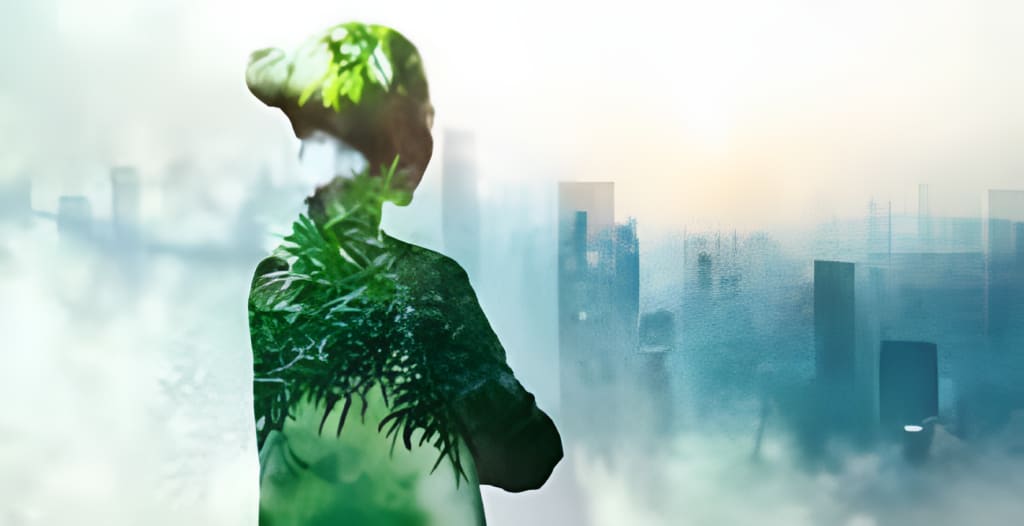
A thought provoking observation - our planet relies on plants and animals to function, but human beings might not be as essential to the Earth's ecosystem as we like to believe.
Defining Natural vs. Unnatural
"Natural" means living in harmony with Mother Nature, while "unnatural" refers to actions that disrupt this balance. Mother Nature is the essence of Earth’s life systems, encompassing all living organisms and their environments. She juggles maintaining balance across ecosystems, while we struggle with balancing our time on social media!
A Global Perspective: The Human Drama
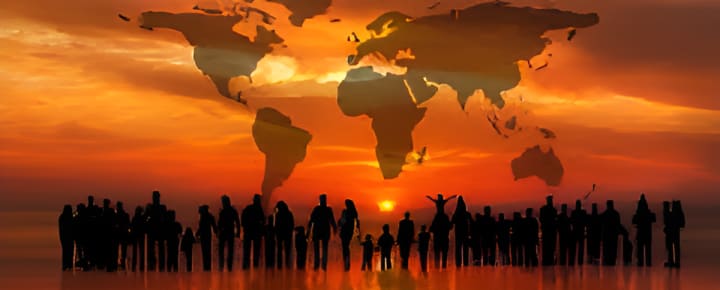
Now, zoom out and imagine observing the Earth from outer space. What you would witness is a fascinating mix of emotions: joy, sorrow, greed, war, love, and innovation, largely driven by human actions. This scene is like a never ending soap opera, full of conflicting stories playing out all at once.
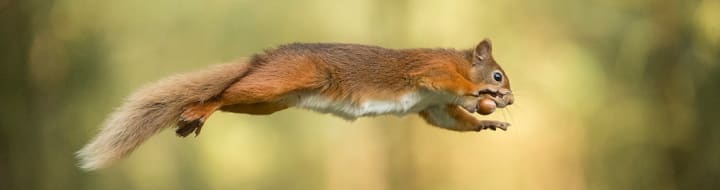
These extremes in human behavior are unique to us. Plants and non-human animals, on the other hand, primarily focus on survival. Squirrels don’t hoard nuts to compete with their neighbors, and trees don’t grow taller to outdo each other for a promotion! Nature sticks to its primary objective of existence and survival.
The Natural World’s Circle of Dependency
In nature, every species plays a vital role. Plants produce oxygen and food and serve as the foundation of the food chain. Animals pollinate plants, keep populations in check, and recycle nutrients through their roles as predators and prey. Without plants or non-human animals, Earth’s ecosystems would collapse.
But what happens if humans disappear? The answer is surprisingly simple - nature would continue to thrive. Many argue that human beings, in contrast to the rest of the natural world, have strayed from their purpose, behaving more like parasites than contributors to the ecosystem.
What Happens If Humans Leave?
Let’s imagine Earth without humans. Zoom in again, and this time you would observe a much calmer planet. Apart from some skirmishes over food and survival, you would find a world in balance. No soap opera style drama, just natural harmony with life operating under one universal law of survival for the sake of existence.
This image raises an important question of have we, as humans, lost our place in the natural world? Somewhere along the way, we veered off course with our ambitions, technology, and societal systems at the expense of our connection to nature.
How Humans Have Disrupted Nature
While our technological and scientific progress isn’t inherently bad, the way we have achieved it has often been destructive. Take medical treatments, for example. While they save lives, some treatments come with side effects more harmful than the diseases they aim to cure. This imbalance in our approach is a symptom of humanity’s disconnection from the natural ways of living.

Compassion: A Key Difference Between Humans and Animals
Compassion exists in both the human and non-human animal kingdoms. However, there’s a significant difference in how it manifests. For non-human animals, compassion is usually only impacted by survival instincts. Humans, on the other hand, can be driven by ego, greed, and ignorance, which often override our natural capacity for care and compassion.
This selfishness has created a rift between us and the rest of the natural world, making us "natural beings living unnaturally."
Can We Evolve to Live More Naturally?
The good news is, we have the intelligence and the capability to course correct. As humans, we can use our science and technology in ways that align more closely with nature’s laws. In fact, we are already seeing signs of change.
Environmental consciousness, sustainability, inclusivity, gender equality, natural health practices, and renewable energy are just a few of the movements that are gaining traction globally. These initiatives aim to reverse the damage we have done and restore balance to the planet. If trees could applaud, they might just give us a standing ovation for our efforts!
The Challenges Ahead: A Redefinition of "Natural"?
That said, significant obstacles remain. The business and financial sectors, in particular, often hinder our ability to live more naturally. Profit driven motives encourage overconsumption and environmental degradation. With the rise of AI and other technological advancements, the definition of "natural" may itself be getting redefined.
Conclusion: Nature’s Path Forward
Despite the challenges we face, it’s clear that humans have the capacity to live in harmony with nature. Though our history is full of mistakes, there’s hope in the growing global movements aimed at realigning our lives with the natural world. We might still have a chance to redefine our role on this planet, but it will require a shift in how we think about business, technology, and our place in nature.
About the Creator
Dinesh Nand
Non-fiction writer combining diverse experiences to create engaging, insightful content with unique perspectives and depth - applied philosophy, lifestyle, self-development, career, and flavour of the day!!
Keep reading
More stories from Dinesh Nand and writers in Humans and other communities.
Minnesota and Illinois Invoke the 10th Amendment in Lawsuits to Block Federal Agents in Their Cities — Here’s Why That Matters
States Push Back Against Federal Enforcement Minnesota and Illinois have launched high-profile lawsuits invoking the 10th Amendment of the US Constitution in an effort to block or limit the actions of federal agents—particularly immigration enforcement officers—operating within their cities. The legal challenges mark a significant escalation in the long-running conflict between state governments and Washington over who has the authority to enforce immigration laws and how far federal power can reach.
By Aarif Lashari4 days ago in Humans
The Devil's Cut
“Comrade, finally you’re awake.” The voice was smooth, sensual. A flickering incandescent bar was all that lit the white, sterile room. All Vladimir remembered was everything going black. He tried to move his arms and found them strapped to the gurney.
By Matthew J. Fromm5 days ago in Fiction



Comments
There are no comments for this story
Be the first to respond and start the conversation.