
Are Humans Inherently Good, Bad, or Neutral?
What Shapes Us the Most—Nature or Nurture?

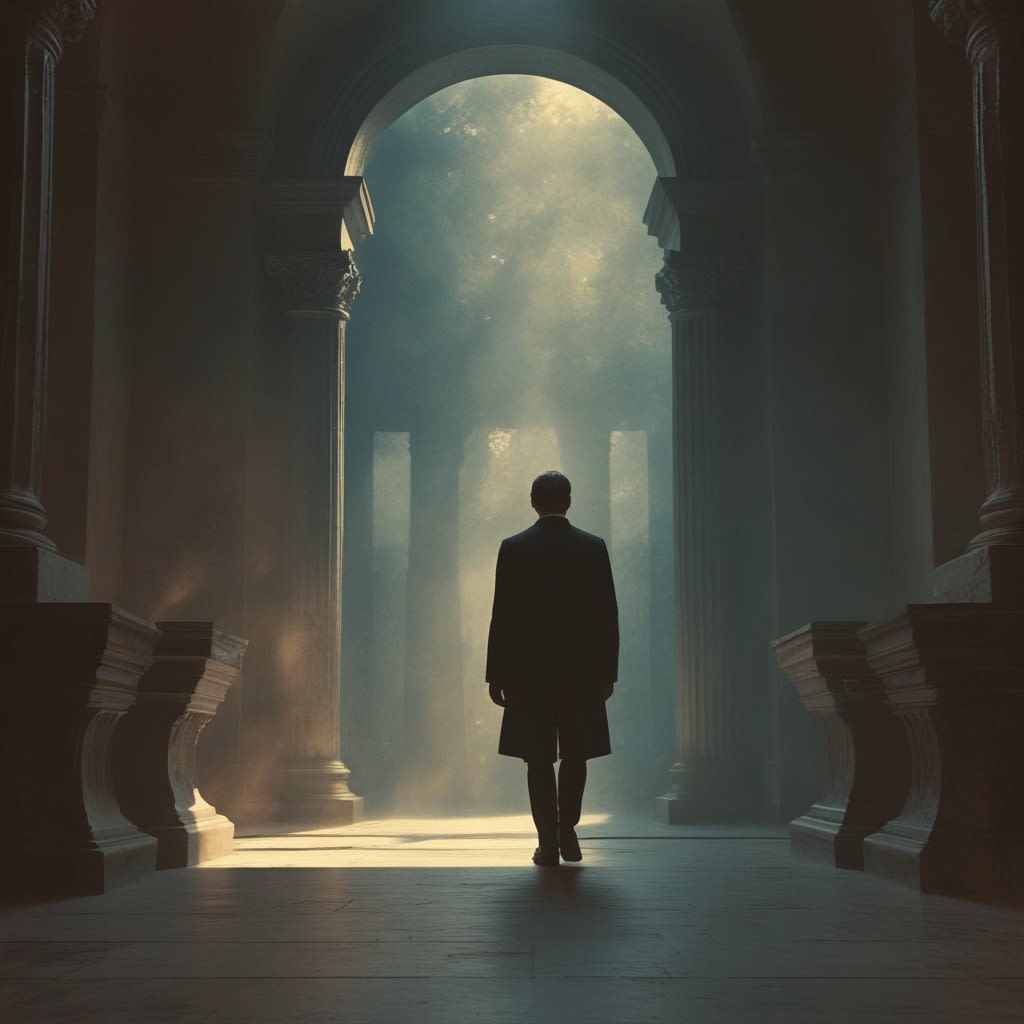
The question of whether humans are inherently good, bad, or neutral has long been a subject of philosophical, psychological, and sociological debate. It’s a question that not only probes the essence of human nature but also informs our systems of morality, justice, and education. Are we born with innate qualities that predispose us toward kindness or cruelty, or are we blank slates shaped entirely by the environments in which we live? And what role do our genetic predispositions play in the grand equation of human behavior? Let’s dive into the complexities of this timeless debate.
The Case for Inherent Goodness
One of the most optimistic perspectives on human nature comes from thinkers like Jean-Jacques Rousseau, who argued that humans are born inherently good, but society corrupts us. Evidence supporting this view can be found in studies on infant behavior. Research shows that even very young children display empathy and fairness. For example, toddlers have been observed offering help to strangers without being prompted, and they often become distressed when they see others in pain. Such behaviors suggest that a basic sense of morality may be hardwired into us.
Evolutionary biologists also support the argument for inherent goodness, pointing out that cooperative behavior has been essential for human survival. In prehistoric times, working together ensured safety, food, and community stability. This evolutionary pressure may have ingrained prosocial tendencies in our DNA.
The Case for Inherent Badness
On the other end of the spectrum, philosophers like Thomas Hobbes have contended that humans are naturally selfish and prone to violence, requiring laws and societal structures to curb our baser instincts. Hobbes’s famous description of life in a state of nature as “solitary, poor, nasty, brutish, and short” suggests that left unchecked, humanity would descend into chaos.
Psychological experiments, such as the infamous Stanford Prison Experiment, provide sobering evidence of how quickly ordinary individuals can engage in harmful behavior when placed in certain roles or given unchecked power. Additionally, history is rife with examples of atrocities committed by humans, from wars to systemic oppression, further fueling the argument that our darker instincts may be closer to the surface than we’d like to admit.
The Case for Neutrality
A third perspective posits that humans are born neutral—neither good nor bad—and that our behavior is shaped by external influences. This view aligns with the “tabula rasa” (blank slate) concept popularized by John Locke. According to this theory, our environment, upbringing, and life experiences are the primary determinants of whether we lean toward altruism or selfishness.
Support for this idea comes from studies on cultural differences in moral norms. What is considered “good” or “bad” varies widely across societies, suggesting that much of our moral compass is learned rather than innate. Moreover, individuals raised in abusive or neglectful environments often develop antisocial behaviors, whereas those nurtured in loving and supportive contexts are more likely to exhibit kindness and empathy.
Nature vs. Nurture: The Shaping Forces
The nature versus nurture debate adds another layer of complexity to this discussion. While genetic predispositions undoubtedly play a role in shaping our personalities and tendencies, environmental factors often determine how those predispositions manifest.
For instance, identical twins raised in different households sometimes exhibit strikingly similar traits, pointing to the power of genetics. At the same time, numerous studies show that upbringing and social context can dramatically influence behavior. A child predisposed to aggression may learn to channel their energy constructively if raised in a supportive environment, whereas the same predisposition could lead to harmful behavior in a toxic setting.
The Interplay Between Biology and Environment
Modern science increasingly points to a dynamic interplay between nature and nurture rather than a binary distinction. Epigenetics, for example, reveals how environmental factors can influence gene expression, effectively blurring the lines between biology and experience. A person’s genetic makeup might make them more susceptible to anxiety, but whether that anxiety develops into a debilitating condition could depend on factors like childhood trauma or access to mental health support.
Conclusion: A Complex Portrait of Humanity
So, are humans inherently good, bad, or neutral? The answer is likely a mix of all three, depending on the lens through which we examine the question. Evidence suggests that we possess innate tendencies toward both altruism and selfishness, with our environment acting as a powerful mediator of which traits come to the forefront.
Understanding the balance between nature and nurture can help us design better systems for education, justice, and social welfare. By acknowledging our capacity for both good and bad and focusing on creating environments that nurture empathy, cooperation, and resilience, we can tilt the scales toward the better angels of our nature. Perhaps, then, the question isn’t so much about what we are inherently but what we choose to become.
About the Creator
Fred Bradford
Philosophy, for me, is not just an intellectual pursuit but a way to continuously grow, question, and connect with others on a deeper level. By reflecting on ideas we challenge how we see the world and our place in it.
Keep reading
More stories from Fred Bradford and writers in Humans and other communities.
Bradley Cooper and the Quiet Weight of a Career Earned Slowly
Bradley Cooper is often described as a movie star, but that label only tells part of the story. What makes him interesting is not just fame or talent, but how long it took for both to fully arrive. His career did not explode overnight. It grew through small roles, awkward risks, public missteps, and quiet persistence. Over time, Bradley Cooper became someone audiences trust to feel deeply on screen. He carries sadness, confusion, love, and regret in ways that feel familiar rather than polished. That honesty is why his work stays with people. To understand Bradley Cooper today, you have to look at the slow road behind him, not just the spotlight he stands in now.
By Muqadas khan3 days ago in Humans


Comments
There are no comments for this story
Be the first to respond and start the conversation.