
Anger Management
Tips for managing anger: Strategies and techniques for recognizing the signs of anger, identifying its causes, and using healthy coping mechanisms
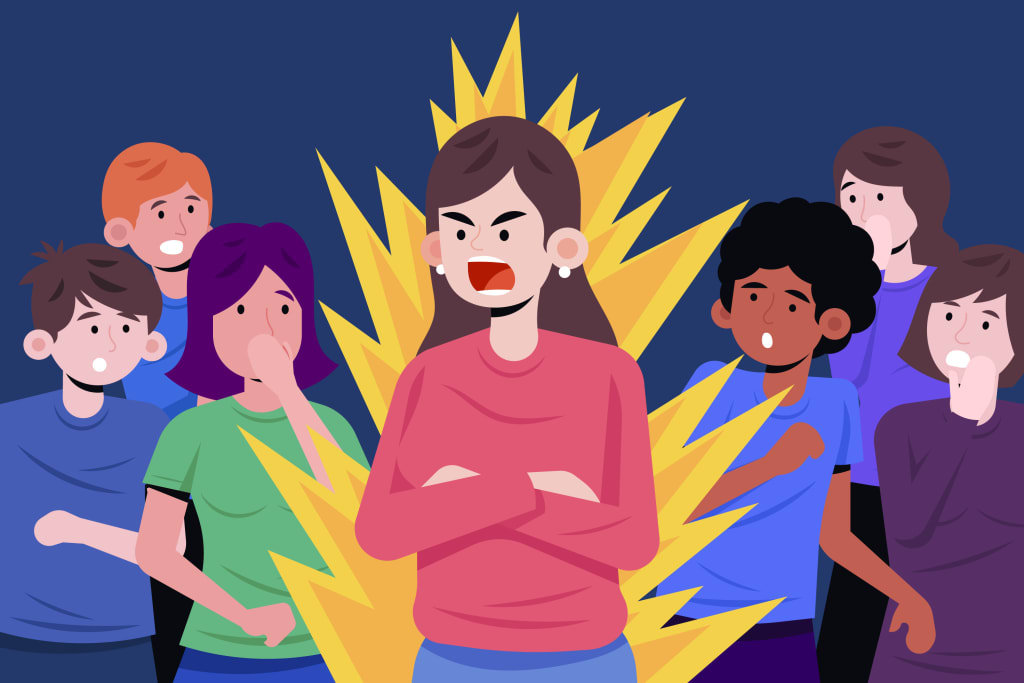
Anger is a natural emotion that everyone experiences from time to time. However, when anger is not managed effectively, it can have negative consequences on both physical and mental health, as well as relationships and overall quality of life. Learning how to manage anger in a healthy way is an important skill to have, and it can be achieved through various strategies and techniques. In this article, we'll explore the importance of anger management, provide some tips on how to manage anger effectively, and offer some examples of how this skill can be put into practice in everyday life.
The importance of anger management cannot be overstated. When anger is not managed effectively, it can lead to a range of negative consequences, such as:
- Physical health problems, such as high blood pressure, heart disease, and stroke
- Mental health problems, such as anxiety, depression, and substance abuse
- Damaged relationships with family, friends, and colleagues
- Difficulty at work or school
- Legal problems
Managing anger effectively requires a combination of self-awareness and self-control. Here are some tips for managing anger in a healthy way:
Recognize the signs of anger: Pay attention to your body's physical reactions to anger, such as an increased heart rate, tense muscles, and difficulty breathing. These signs can help you identify when you're becoming angry, so you can take steps to manage it.
Identify the cause of your anger: Try to understand what's causing your anger and whether it's justified. This can help you determine whether the issue is worth addressing or whether it's better to let it go.
Use healthy coping mechanisms: There are a number of strategies you can use to manage anger, such as deep breathing, counting to ten, and walking away from the situation. Find the strategies that work best for you and practice them regularly.
Seek support: If you're struggling to manage your anger on your own, consider seeking the help of a mental health professional or joining a support group.
Now, let's look at some examples of how anger management can be put into practice in everyday life:
Dealing with difficult people: We all encounter difficult people from time to time, and it can be challenging to manage our anger in these situations. By using healthy coping mechanisms and seeking support when needed, we can avoid reacting in a negative way and instead respond in a more constructive manner.
Managing anger in relationships: Angry outbursts can damage relationships, so it's important to manage our anger in these situations. This might involve taking a break to calm down, communicating our feelings in a calm and respectful way, and seeking the help of a therapist if needed.
Coping with stress: Stress can be a major trigger for anger, so it's important to develop healthy coping mechanisms for managing stress. This might involve finding ways to relax and unwind, such as through exercise, meditation, or hobbies.
Dealing with setbacks: Life is full of setbacks and disappointments, and it's natural to feel angry in these situations. However, by managing our anger and finding constructive ways to cope with setbacks, we can avoid letting anger control our actions and instead move forward in a positive way.
About the Creator
A System That Isn’t Working Challenge Winners
Systems promise order. They organize behavior, distribute opportunity, and suggest that if everyone follows the rules, things will work. The entries in A System That Isn’t Working look closely at what happens when that promise begins to slip.
By Vocal Curation Team3 days ago in Resources




Comments
There are no comments for this story
Be the first to respond and start the conversation.