
...AND THEN YOU DIE
"An Unforgettable Tale of Life, Death, and Everything in Between"

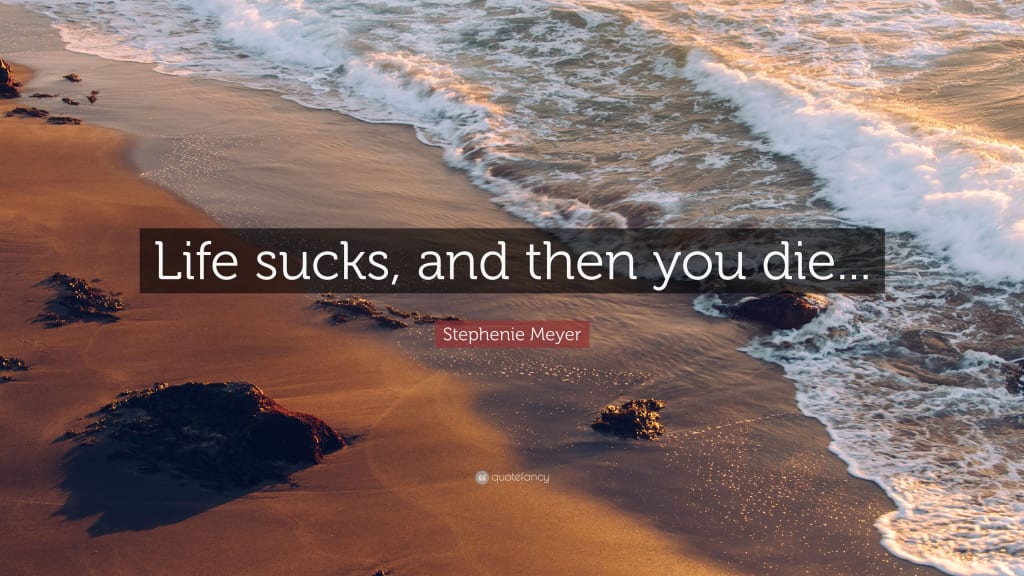
“And then you die.” It’s a sobering phrase that reminds us of our mortality and the impermanence of life. No matter who you are or what you do, death is inevitable. It’s a universal truth that we all must face at some point in our lives. However, despite its inevitability, many of us find it difficult to talk about death, let alone confront it. But, avoiding the topic doesn't change the fact that it will happen. So, what can we do to prepare ourselves for the inevitable?
Firstly, it’s important to understand that death is a natural part of the life cycle. Just as a flower blooms and eventually withers away, so too do we as human beings. It’s not something to fear, but rather something to accept as a part of our journey. Knowing this can help alleviate some of the fear and anxiety that surrounds death.
Next, it’s important to plan ahead. While we may not know exactly when we will die, we can make preparations to ensure that our affairs are in order. This includes creating a will, designating a power of attorney, and making any necessary end-of-life decisions, such as organ donation or life support preferences. By doing so, we can ease the burden on our loved ones and ensure that our wishes are carried out.
Another important aspect of preparing for death is considering the impact it will have on those around us. This includes not only our immediate family and friends but also our community and the world at large. By living a life of purpose and making a positive impact on those around us, we can leave a lasting legacy that will continue long after we’re gone. Whether it’s through volunteering, donating to charity, or simply being kind to others, every small act of kindness can make a big difference.
It’s also important to acknowledge the emotional impact that death can have on us and those around us. Grief is a natural and necessary process that allows us to process our feelings and come to terms with our loss. However, it’s important to remember that everyone grieves differently, and there’s no right or wrong way to do so. It’s important to seek support from loved ones, friends, or a therapist if needed. Talking about our feelings and experiences can help us to feel less alone and process our emotions in a healthy way.
Finally, it’s important to remember that death is not the end. While our physical bodies may die, our memories, experiences, and the impact we’ve had on the world live on. Whether it’s through the people we’ve touched, the causes we’ve supported, or the memories we’ve created, our legacy lives on long after we’re gone. By living a life of purpose and making the most of the time we have, we can ensure that our impact is felt long after we’re gone.
In conclusion, “and then you die” may be a sobering phrase, but it’s also a reminder to make the most of the time we have and to prepare ourselves and those around us for the inevitable. By accepting death as a natural part of the life cycle, planning ahead, making a positive impact, acknowledging our emotions, and remembering that our legacy lives on, we can face death with courage, dignity, and grace.
About the Creator
Keep reading
More stories from writers in Humans and other communities.
I Don't Need My Phone... Wait, Is That Actually True?
My parents gave me my first cell phone when I was twelve years old. It wasn't a fancy iPhone or anything, not even close. Just a simple black flip phone for when I needed to call or text them after school.
By Madison "Maddy" Newton6 days ago in Humans
Midnight at the Museum
Midnight at the Museum Arham had always been fascinated by history. From the moment he could read, he devoured books about ancient civilizations, explorers, and legends. So, when the city museum announced a special overnight program for students, he signed up immediately. “Midnight at the Museum” promised guided tours after closing hours, behind-the-scenes access to rare artifacts, and interactive sessions with historians. For Arham, it was a dream come true.
By Sudais Zakwan5 days ago in Humans


Comments
There are no comments for this story
Be the first to respond and start the conversation.