
Alzheimer’s vs. Dementia: Key Differences, Symptoms, and What Every Family Should Know
Discover the early warning signs, stages, treatments, and the impact of Alzheimer’s on patients and their loved ones in this comprehensive guide.

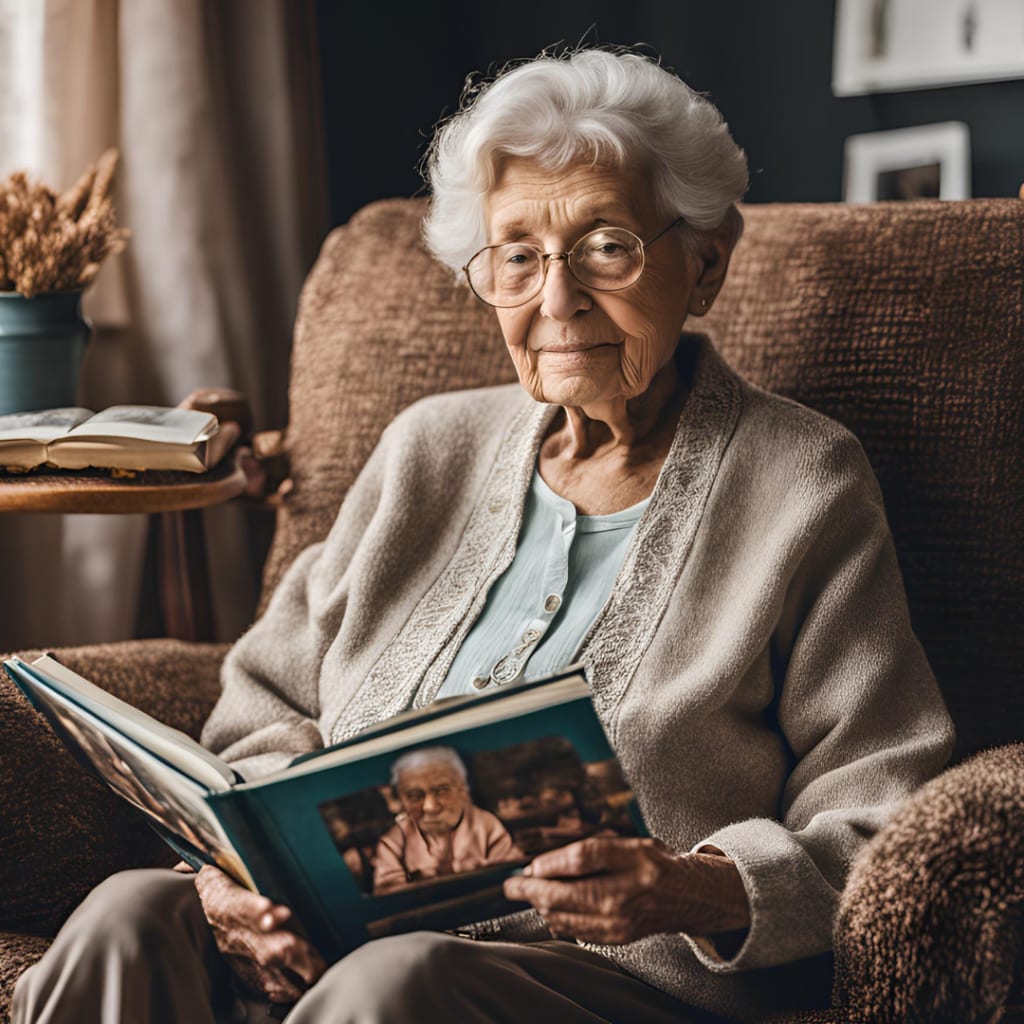
Alzheimer's disease and dementia are terms often mentioned together, but they are not identical. Their impacts ripple far beyond the person diagnosed, touching families, caregivers, and communities. This article explores the nuances of these conditions, supplemented with personal stories to bring the human experience to life.
____________________________________________________
Alzheimer's vs. Dementia: What's the Difference?
When Diane’s father, Joe, started forgetting the names of his grandchildren, she assumed it was just “old age.” When he forgot how to get home from the store, she realized it might be something more. Joe was later diagnosed with Alzheimer’s disease, a condition under the broader category of dementia.
- Dementia is the umbrella term for a decline in cognitive abilities severe enough to interfere with daily life.
- Alzheimer’s Disease is the most common cause of dementia, accounting for about 60–80% of all cases. It is marked by changes in the brain, including the buildup of plaques and tangles.
Key Analogy: If dementia is a fever indicating an underlying issue, Alzheimer’s is one of the most common “infections” causing that fever.
____________________________________________________
Life Expectancy and Stages of Dementia and Alzheimer’s
How Long Do People Live with Dementia?
When Diane asked the doctor how long her father had left, the answer wasn’t straightforward. “It depends,” the doctor said. “Joe might live another 5 years or 15, it varies by individual.”
Life expectancy depends on factors like overall health, age, and the type of dementia. On average:
- Alzheimer’s Disease: 8–10 years after diagnosis.
- Other types of dementia can range from 4 to 20 years.
The Stages of Alzheimer's
1. Early Stage: Memory lapses may seem minor but grow noticeable. Loved ones often dismiss this stage as “senior moments.”
- Diane’s father initially struggled to recall dates or misplaced his keys, small things that didn’t set off alarms.
2. Middle Stage: Memory and cognitive functions worsen, and behavioral changes appear.
- Joe began wandering, asking repetitive questions, and showing confusion about familiar places.
3. Late Stage: Physical and mental decline becomes severe, requiring full-time care.
- In the final months, Joe didn’t recognize Diane and needed assistance with basic tasks like eating.
____________________________________________________
Recognizing the Symptoms of Alzheimer’s
- Early signs can be subtle, like forgetting recently learned information or struggling to complete familiar tasks.
- Middle and late stages bring more noticeable challenges: losing track of time, forgetting loved ones, and even basic functions like walking or speaking.
“It’s like watching pieces of a puzzle slowly disappear,” Diane said. “You try to hold on to the memories, but they slip away.”
____________________________________________________
What Alzheimer’s Does to the Brain
Alzheimer’s begins in the hippocampus, the brain's memory hub. Over time, it spreads, damaging the areas responsible for language, reasoning, and eventually motor skills.
“The worst part,” Diane shared, “was seeing my dad lose the ability to recognize me. It felt like I was losing him piece by piece.”
____________________________________________________
Why Do People with Alzheimer’s Sleep So Much?
Excessive sleep can be one of the more confusing symptoms for families.
- Brain changes disrupt the body’s natural rhythms.
- Fatigue sets in as mental tasks become harder.
- Medication side effects may contribute.
Diane recalls, “In the last year, Dad would sleep for most of the day. I used to worry something was wrong, but the doctor assured me it was normal.”
____________________________________________________
Treatment and Support
Medical Treatments
- Medications like donepezil or memantine help slow cognitive decline.
- Experimental drugs targeting amyloid plaques show promise but aren’t yet widely available.
Therapies and Interventions
- Cognitive stimulation: Memory games and puzzles.
- Physical exercise: Even short walks can improve mood and brain health.
- Support groups: Connecting with others in similar situations can ease the emotional burden.
____________________________________________________
Impact on Families
Caring for someone with Alzheimer’s is a profound experience. It often brings both challenges and unexpected blessings.
Emotional and Financial Strain
“I had to cut back my work hours to take care of Dad,” Diane said. “It wasn’t easy, but I wouldn’t trade those moments for anything.”
Relationship Shifts
Roles often reverse, with children becoming caregivers to their parents.
“He once cared for me, and now it’s my turn,” Diane reflected. “It’s hard, but it’s also a privilege.”
____________________________________________________
What the Future Holds
Is Alzheimer’s Hereditary?
For families like Diane’s, the question lingers: Will this happen to me?
- Genetic Risks: Early-onset Alzheimer’s has a stronger genetic link, while late-onset is less tied to family history.
Lifestyle Factors: Healthy habits like a Mediterranean diet, regular exercise, and staying socially active can lower the risk, even for those with a genetic predisposition.
Hope on the Horizon
Advances in research aim to slow the disease and improve quality of life. With ongoing studies into brain health, the future for Alzheimer’s patients and their families looks more promising than ever.
____________________________________________________
Key Takeaways
- Dementia is a syndrome; Alzheimer’s is a disease within it.
- Early detection and care can make a difference.
- Families play a vital role in the journey.
- Research continues to bring hope for better treatments.
____________________________________________________
Diane’s Advice to Others
“Treasure the small moments,” Diane said. “Even as the disease progresses, there are glimmers of who they are. Hold on to those.”
Sources Used
- Alzheimer’s Association: www.alz.org
- Mayo Clinic: www.mayoclinic.org
- National Institute on Aging: www.nia.nih.gov
____________________________________________________
Disclaimer
The information provided in this article is for educational and informational purposes only and is not intended as medical advice, diagnosis, or treatment. While every effort has been made to ensure the accuracy of the information presented, it is not a substitute for professional medical advice, consultation, or care.
If you or someone you know is experiencing symptoms of Alzheimer’s disease, dementia, or any other medical condition, please seek advice from a qualified healthcare professional. Never disregard professional medical guidance or delay seeking care because of something you have read in this article.
The author and publisher of this article disclaim any liability for any actions taken or not taken based on the content of this article. Always consult with a licensed healthcare provider for any questions or concerns regarding your health or the health of a loved one.
About the Creator
Diana Crooks
Storyteller with a knack for turning life’s chaos into compelling reads. Whether it’s quirky, thoughtful, or just plain unexpected, my content is here to entertain and inspire. Come for the words, stay for the vibes!
Keep reading
More stories from Diana Crooks and writers in Humans and other communities.
Los Angeles Wildfires: Hughes Fire Rages in North LA, Displacing Thousands
The wildfire season in California has once again shown its devastating impact, as the Hughes Fire in North Los Angeles continues to scorch vast areas. As of today, the blaze has consumed over 39 square kilometers of land, leaving behind a trail of destruction and displacing thousands of residents. The fire, which ignited on January 19, 2025, has rapidly grown in intensity, fueled by strong winds and dry conditions. This article delves into the current situation, efforts to contain the fire, and the human toll of this unfolding disaster.
By Diana Crooks12 months ago in Humans
Wild Card Weekend Recap: What Happens Now?
I think I figured out why I love Wild Card Weekend so much. It's because it's the first playoff anything of the calendar year. The NFL season starts in the fall, and once upon a time, the champion was crowned either on or slightly before New Year's. The evolution of the NFL schedule has resulted in the playoffs starting just into the New Year, and currently, the final week of the season falls on the first weekend of the New Year, with Wild Card Weekend coming a week after that. So yes, chronologically, the NFL's Wild Card Weekend serves as the first playoff anything of the calendar year.
By Clyde E. Dawkins4 days ago in Unbalanced




Comments (1)
Good to learn! Fascinating!