
10 Shocking Realities People Rarely Talk About After Amputation By Anikó Fónai
Living through an amputation is a life-altering experience that extends far beyond the operating room. While public conversations often focus on survival, recovery timelines, and prosthetic technology, the deeper physical, emotional, and social realities are rarely discussed. For many people, amputation is not a single event, but the beginning of a long, complex journey filled with challenges that most outsiders never see. This article explores ten lesser-known realities that individuals and families may face after an amputation—realities that deserve more awareness, understanding, and compassion.
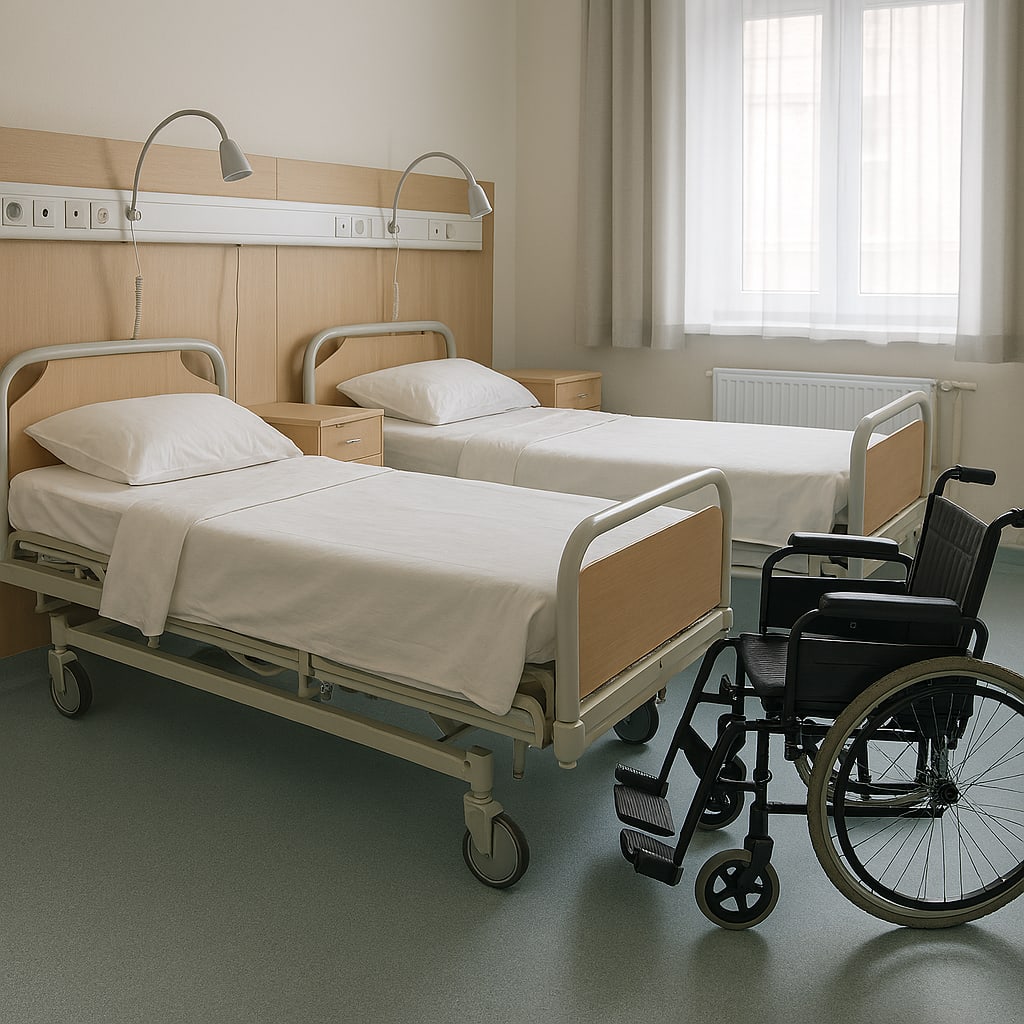
This article and the featured image were created with the assistance of artificial intelligence.
1. Post-Surgical Infections Can Dramatically Change Outcomes
Even in modern hospitals with strict hygiene protocols, post-surgical infections remain a serious risk. One of the most dangerous is MRSA (Methicillin-resistant Staphylococcus aureus), a bacteria resistant to many common antibiotics. When such infections occur, recovery can become significantly longer and more complicated.
An infection may require prolonged hospital stays, intravenous antibiotics, wound care, or even additional surgeries. In severe cases, the infection can spread to the bone (osteomyelitis), forcing surgeons to remove more tissue than originally planned. This can permanently affect mobility and long-term rehabilitation prospects.
Infections are emotionally exhausting as well. Patients often experience fear, frustration, and uncertainty, especially when recovery timelines become unclear. What was expected to be the first step toward healing may instead feel like the beginning of an ongoing medical battle.
________________________________________
2. Multiple Revision Surgeries Are More Common Than People Realize
Many assume that an amputation is a one-time procedure. In reality, revision surgeries are common. Poor wound healing, circulation problems, pressure sores, or infection can all make additional operations necessary.
Each revision surgery means restarting parts of the healing process. Pain management, limited mobility, and emotional stress return again and again. For some individuals, the uncertainty surrounding “Will this surgery finally work?” becomes one of the hardest psychological burdens to bear.
Repeated surgeries can also impact the final shape and length of the residual limb, which directly influences prosthetic options later on.
________________________________________
3. Prosthetic Devices Are Not Always Possible
Prosthetics are often portrayed as the ultimate solution after amputation. While they can be life-changing for many, not everyone is able to use one.
Factors such as a very short residual limb, chronic infections, poor blood circulation, nerve damage, or repeated surgical trauma may make prosthetic fitting impossible. In these cases, individuals must rely on wheelchairs or other assistive devices instead.
This reality is rarely discussed publicly, yet it has profound implications for independence, employment, and self-identity. Accepting that a prosthetic is not an option can be emotionally difficult, especially when societal narratives suggest that prosthetics are always the expected outcome.
________________________________________
4. Phantom Limb Pain Is Real—and Often Severe
Phantom limb pain is one of the most misunderstood consequences of amputation. Many amputees feel sensations—burning, stabbing, itching, or pressure—in a limb that no longer exists.
Unlike occasional discomfort, phantom pain can be chronic and debilitating. It may interfere with sleep, concentration, and mental health. Treatments vary and may include medication, mirror therapy, nerve stimulation, or psychological approaches, but relief is not guaranteed.
The invisible nature of phantom pain can make it especially isolating, as others may struggle to understand pain that has no visible source.
________________________________________
5. Emotional Trauma Often Lasts Longer Than Physical Healing
Amputation involves loss—not only of a limb, but of a former way of life. Grief, anger, anxiety, and depression are common emotional responses, even when the surgery was lifesaving.
Body image issues, fear of social judgment, and concerns about being a burden on loved ones can deeply affect self-esteem. Many individuals also experience symptoms similar to post-traumatic stress disorder (PTSD), particularly if the amputation followed a medical emergency or long illness.
Mental health support is crucial, yet it is frequently under-provided or delayed compared to physical rehabilitation.
________________________________________
6. Rehabilitation Is Physically Demanding and Mentally Exhausting
Rehabilitation is not just about learning to walk again. It involves building strength, relearning balance, preventing secondary injuries, and managing pain. Progress is often slow and nonlinear.
Physical therapy sessions can be painful and exhausting. Small achievements may take weeks, while setbacks can happen unexpectedly. Maintaining motivation during long rehabilitation periods requires immense mental resilience.
For many, rehabilitation becomes a full-time commitment lasting months or even years.
________________________________________
7. The Financial Impact Can Be Overwhelming
The cost of amputation does not end with surgery. Hospital bills, rehabilitation, assistive devices, home modifications, transportation, and lost income can create significant financial strain.
Even in countries with healthcare coverage, indirect costs accumulate quickly. Financial stress can worsen emotional distress and limit access to necessary care, creating a cycle that is difficult to escape.
________________________________________
8. Everyday Life Requires Constant Adaptation
Daily activities that were once automatic—bathing, cooking, dressing, or leaving the house—often require new strategies. Homes may need structural changes, and routines must be rebuilt from scratch.
This constant adaptation can be frustrating and mentally draining. Independence becomes something that must be consciously planned rather than assumed.
________________________________________
9. Strong Support Systems Are Essential—but Not Always Available
Family, friends, peer groups, and healthcare professionals play a critical role in recovery. Emotional encouragement and practical assistance can significantly improve outcomes.
However, not everyone has access to a reliable support network. Social isolation can worsen mental health and slow recovery, making community resources and support groups especially important.
________________________________________
10. Public Awareness of These Realities Remains Limited
Despite medical advances, many realities of life after amputation remain hidden from public conversation. Simplified success stories often overshadow the complexity of real experiences.
Greater awareness leads to empathy, better policies, and stronger support systems. Listening to and acknowledging these realities is a vital step toward creating a more inclusive and understanding society.
________________________________________
Final Thoughts
Amputation is not just a medical procedure—it is a profound life transition. Recognizing the physical, emotional, and social challenges that follow helps dismantle misconceptions and supports those navigating this difficult path.
By talking openly about these realities, we move closer to a world where amputees are met with understanding rather than assumptions—and with compassion rather than silence
About the Creator
Anikó Fónai
Real stories of resilience, motivation, and life after major challenges.
Keep reading
More stories from writers in Humans and other communities.
The Devil's Cut
“Comrade, finally you’re awake.” The voice was smooth, sensual. A flickering incandescent bar was all that lit the white, sterile room. All Vladimir remembered was everything going black. He tried to move his arms and found them strapped to the gurney.
By Matthew J. Fromm5 days ago in Fiction
My New Book is Finally Here
My poetry collection Beautiful and Brutal Things is done. It's actually done and finally published over 270 pages. Over a year of my life went into this book. More than a year, really. Long days at my computer, sometimes seven days a week because I couldn't stop even when I probably should have. Then two months of editing that felt harder than the writing itself. But it's finished, and I'm still standing, and the book is real.
By Tim Carmichaela day ago in BookClub



Comments
There are no comments for this story
Be the first to respond and start the conversation.