
"All of the Children are Welcome to go South."
A deeply shallow take on stuggle in Palestine


This morning, I received a message on Instagram from someone I had not heard from in years. In a moment of curiosity, I made the productivity-killing mistake of scrolling down my feed when I came across a post by President Biden regarding peace between Israel and Palestine. At that time, there were over 17,000 comments, and I couldn’t resist the urge to read through a few of them, despite knowing that it might lead to an endless rabbit hole. Among those comments, a top one by Rosy Pirani caught my attention: “Then why did you approve the ground assault? Gaza is over 50% children.” The responses that followed were not what I expected.
I’m heartened to see that almost 10,000 people agreed with her, while many others engaged in debates about the high percentage of children in Gaza, with some genuinely questioning why the population contains so many children. It’s important to acknowledge that 15–25% of the population is a more common percentage in other parts of the world. However, some responses were worded in a way that seemed to question why Palestinians would choose to have more children given their circumstances. I hope I’m interpreting these posts incorrectly. Most of us haven’t experienced living in a war zone, but the answer to this issue is multifaceted, encompassing factors such as lower life expectancy due to blockades and the involvement of young adults in the war. However, I won’t go into the life expectancy of the Gaza Strip in this article.
The statement, “All of the children are welcome to go south,” is fraught with ignorance at best and, at worst, supports ethnic cleansing while being dismissive of the plight of innocent children in a war-torn country. Let’s dissect this simple phrase section by section.
All of the Children
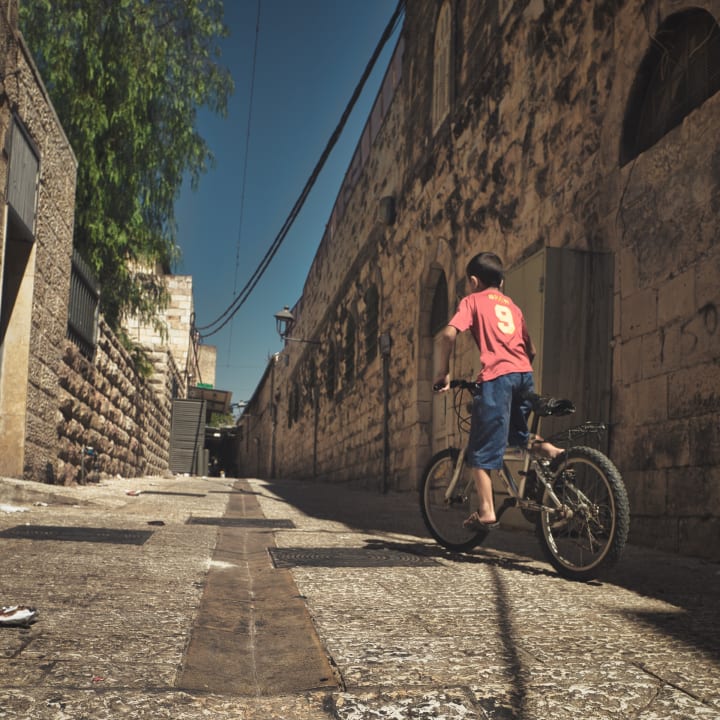
“All of the children”: This statement implies that all 2.3 million Palestinian children should go south. But how? Should they go alone, or should they be accompanied by their families? Should they be bused there? These are crucial questions that the author of this statement seems to ignore. It’s concerning that 77 other people share this sentiment, which, in the grand scheme of things, might not be a large number, but it’s indicative of a broader apathetic sentiment that can be found in various comment sections. It’s easy to sit in the comfort of your cozy apartment and suggest that people leave everything they know behind because of a terrible situation. The reality of relocating to a new country, even under better circumstances, can be challenging for children. I’ve encountered many students who miss their friends and struggle to adjust to a new place, and they moved due to their parents’ work, not due to war or genocide. People, especially children, have deep bonds with the places they are born and raised, which include the land and its people, imperfections and all.
Welcome to Go South

“Welcome to go south”: Let’s examine this from a geographical perspective. The implication is that Palestinians should go to Egypt, which is already grappling with difficulties in accommodating refugees at its borders. Egypt can’t feasibly accept all 2.3 million Palestinians even with Western countries bribe money. Does it sound welcoming yet? Moreover, there’s a long history of relations between the two countries. Since the Israeli occupation, Palestinians have been relocating to Egypt, but this transition is not always smooth. Initially, they were treated as citizens with equal rights, but this changed in later years due to the assassination of former Minister of Culture Yousef al-Sibai by a pro-Palestinian faction. Consequently, they lost access to state services and the right to residency. Going to Egypt would mean living as an invisible community, a reflection of their treatment when Zionists first began to claim their land.
Abroad Under Ideal Circumstances
As a nomad, I’ve accumulated a wealth of experience in adapting to new cultures and living among people with whom I often have little in common. Now in my late-thirties, I sometimes find myself facing mental struggles even in countries that offer every amenity I could ever wish for at my beck and call. This aspect of living abroad, the unseen challenges, is rarely highlighted in influencer stories. These are the moments when you miss your family, your friends, and the familiarity of your old haunts. They’re the moments when you long for the ease of understanding everyone’s words as you walk into a place. It’s the frustration of needing something but not knowing how to ask for it. It’s those moments when you lock yourself in your apartment and seek solace in the content from your own languages and cultures.
If, at times, this experience can be exhausting for adults, consider what it’s like for children, especially those who have been forced out of their homes due to hatred. These children are already deeply scarred by the ravages of war, having witnessed more death than most people will ever encounter in a lifetime. To tell them that their only option is to accept ethnic cleansing and move on to another country that doesn’t want them is not just appalling; it’s morally indefensible.
What Happened to Empathy?

I’m unsure about what has gone wrong with our species, but it appears there’s a troubling lack of empathy circulating throughout the world. Part of me hopes that this is merely a superficial attempt at edginess on the internet rather than a reflection of genuine feelings. That’s the optimist in me. However, my pessimistic side worries about the future of our children if adults become complacent with the loss of other people’s children simply because they belong to a different tribe.
Ways to Build Empathy
*Ask questions and listen longer
*Spend time in a community you wouldn’t normally spend time in
*Pick up a fiction book and connect with a character
*Connect with real people and get your fill of oxytocin
*Find what you have in common with others
*Bonus by author: Think before your publish on social media. Also, limit your time on social media.
*Bonus 2: Travel if it’s affordable and talk to the locals. Really spend time with them follow step 1.
Here is an article by the APA for more details on Cultivating Empathy.
About the Creator
Keep reading
More stories from Ryan McCombs and writers in Humans and other communities.
Whispers of Wonder and Wisdom
In the captivating cavalcade of Colombian culture and its monumental figures, one name sparkles like a jewel — Gabriel García Márquez. A guiding star in the literary galaxy, García Márquez etched an indelible mark in the grand narrative of literature with his spellbinding tales, mesmerizing audiences far and wide.
By Ryan McCombs3 years ago in Humans
She Left Me For A Rich Guy, Look How She Turned Out
I sat back and watched you this weekend. I saw the photos. I saw the smiles. I saw the man you chose over the empire we were building. And for the first time in three years, I didn’t feel a sting of jealousy. I felt a cold, hard sense of irony.
By Nanu Nnabuife6 days ago in Humans




Comments (1)
Interesting perspective.