
AI-Powered Health
Harnessing AI to Revolutionize Personal Health and Fitness: From Tailored Workouts to Precision Medicine

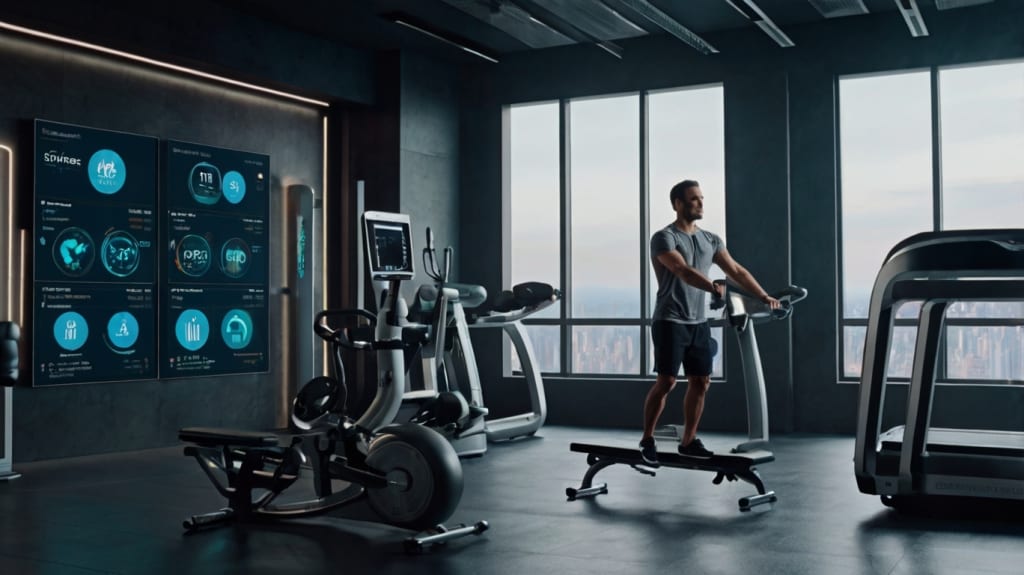
AI-Powered Health: How Advanced Technology is Redefining Fitness, Wellness, and the Human Body
Introduction
In recent years, the health and wellness industry has witnessed a paradigm shift, driven by the rapid advancements in artificial intelligence (AI). From personalizing fitness routines to revolutionizing healthcare diagnostics, AI-powered technologies are transforming how we approach fitness, wellness, and our understanding of the human body. This revolution is not just limited to professional athletes or fitness enthusiasts but extends to everyday individuals seeking a healthier lifestyle. As we delve into the integration of AI in this sector, we uncover a future where technology empowers us to achieve optimal health and well-being with unprecedented precision and insight.
Overview of AI in Health and Fitness
AI's influence on health and fitness is profound and far-reaching. At its core, AI enhances our ability to track and analyze physical activity, providing real-time feedback and personalized recommendations. For instance, AI-driven personal training apps, such as Freeletics and Fitbod, use machine learning algorithms to tailor workout plans based on individual performance data, preferences, and goals. These platforms adapt as users progress, ensuring that each workout is optimized for maximum efficiency and effectiveness.
In addition, AI has revolutionized fitness tracking through wearable devices like Fitbit and Apple Watch. These devices collect vast amounts of data, including heart rate, sleep patterns, and physical activity levels. By analyzing this data, AI algorithms offer insights into a user's health status, suggesting lifestyle changes to improve overall wellness. Health monitoring is also enhanced by AI, as seen in devices that detect irregular heartbeats or monitor glucose levels, enabling early intervention and preventive care.
Technological Innovations
The landscape of health and fitness technology is continually evolving, with groundbreaking innovations that redefine the industry. Wearable fitness trackers, such as Garmin's smartwatches, have become more sophisticated, incorporating features like VO2 max measurement, stress tracking, and advanced sleep analysis. These technologies provide users with a comprehensive understanding of their physical state, helping them make informed decisions about their fitness routines.
AI-driven health apps, like MyFitnessPal and Noom, leverage machine learning to offer personalized nutrition and wellness plans. These apps analyze dietary habits, activity levels, and user goals to provide tailored advice and support, promoting sustainable lifestyle changes. Smart gym equipment, such as Peloton bikes and Tonal's intelligent strength training systems, further exemplify the integration of AI in fitness. These machines use AI to adjust resistance levels, track user performance, and provide real-time feedback, creating a highly personalized and immersive workout experience.
Redefining Wellness
AI's role in wellness extends beyond physical fitness, encompassing mental health, diet, and lifestyle management. Personalized wellness plans are now possible, thanks to AI's ability to analyze vast datasets and identify patterns. For example, apps like Headspace and Calm use AI to recommend meditation and mindfulness exercises based on user behavior and preferences. This targeted approach helps individuals manage stress and improve their mental well-being.
In dietary management, AI-powered platforms like Foodvisor and Lose It! use image recognition technology to analyze food intake and offer personalized nutrition advice. These tools can accurately estimate calorie content and nutritional value, helping users make healthier food choices. Furthermore, predictive analytics in AI can foresee potential health issues based on lifestyle and genetic factors, allowing for proactive health management.
Enhancing Understanding of the Human Body
AI is not only transforming day-to-day health and fitness practices but also advancing our understanding of the human body. In medical research, AI algorithms analyze complex datasets to uncover new insights into human physiology and disease mechanisms. For example, Google's DeepMind has developed AI systems capable of predicting protein folding, a fundamental process in understanding diseases and developing new treatments.
Diagnostic tools powered by AI are becoming increasingly accurate, with algorithms capable of detecting diseases from medical images, such as X-rays and MRIs, with high precision. In treatment planning, AI assists in developing personalized medicine approaches, tailoring treatments based on an individual's genetic makeup and medical history. This level of personalization is crucial in treating complex conditions like cancer, where therapies can be optimized for maximum effectiveness and minimal side effects.
Future Trends
As AI continues to evolve, the future of health and wellness looks promising. One significant trend is the integration of AI with other emerging technologies, such as augmented reality (AR) and virtual reality (VR). These technologies can create immersive fitness experiences, simulate real-world training environments, and provide advanced therapeutic interventions. For instance, VR-based rehabilitation programs are being developed to assist patients recovering from injuries by offering engaging and controlled exercise environments.
Another trend is the growth of AI-powered telemedicine, which offers remote health consultations and diagnostics. This technology has proven especially valuable during the COVID-19 pandemic, providing patients with access to healthcare without the need for in-person visits. As telemedicine becomes more prevalent, AI will play a crucial role in triaging patients, providing real-time health monitoring, and supporting healthcare providers with decision-making tools.
Conclusion
The integration of AI into the health and wellness industry is reshaping how we approach fitness, wellness, and our understanding of the human body. From personalized training and nutrition plans to advanced diagnostic tools and predictive analytics, AI offers unparalleled opportunities to enhance our well-being. As technology continues to advance, we can expect even more innovative solutions that empower individuals to take control of their health. The future of AI in health is bright, promising a new era of precision, personalization, and preventative care that will transform the way we live and thrive.
About the Creator
Yousef Ghale
As a passionate health writer on Vocal Media, I delve into topics that empower readers to lead healthier lives. With a background in wellness and nutrition, I provide insights on fitness, mental health, and balanced living
Keep reading
More stories from writers in Humans and other communities.
Time to change your life.
Is it even possible for you to change your life? A lot of people, more than there should be, are unhappy with their lives. But what are they doing about it? Usually nothing. People talk about how shitty their lives are and want change, but are they not taking the actions to change?
By Jen Phillips3 days ago in Humans
How Breakups Affect Mental Health And Emotional Healing Over Time
Separations with each other are accompanied by strong emotional responses that may be overwhelming at first. Grief, shock, anger, bewilderment, and loneliness are all feelings that are often triggered as people experience the grief of losing a close emotional attachment. Sudden loss of emotional contact interferes with everyday life and emotional stability and produces distress which impacts on sleep, appetite, and concentration. To most people, the separation causes instability, which causes their anxieties to increase or even lose their emotions as the mind tries to cope with the transformation.
By Robert Smith4 days ago in Humans


Comments (1)
Iimpressed